Many Seattle residents notice dark mold spots on ceilings, musty odors in closets, or persistent dampness near windows, and wonder whether these signs are harmless or something more serious. Concerns often lead people to search for mold removal in Seattle, not just to eliminate stains but to understand the health risks associated with living in a damp indoor environment. Because Seattle’s climate encourages mold growth year-round, apartment dwellers face unique challenges that can directly impact their respiratory health, indoor air quality, and overall well-being.
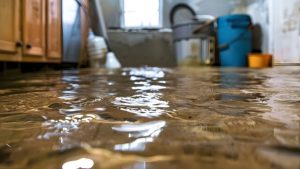
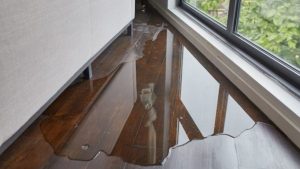
Seattle’s climate has frequent rainfall, cool temperatures, and high humidity levels that make mold a constant presence in older and newer apartments alike. Moisture easily accumulates on windows, inside walls, and around poorly ventilated areas, creating ideal conditions for mold growth. When mold begins growing indoors, spores become airborne and can circulate where tenants eat, sleep, and breathe. Over time, this affects respiratory comfort, allergies, and indoor air quality. These issues are especially common in apartments where ventilation is poor or leaks go unaddressed. Because mold thrives on drywall, wood, insulation, and carpet, many Seattle units develop hidden mold colonies that renters may not notice until symptoms appear.
Mold exposure triggers a range of symptoms, depending on a person’s sensitivity, the mold type, and the length of exposure. Mold health risks Seattle indoor air concerns often include allergies such as sneezing, nasal congestion, itchy eyes, or throat irritation. Individuals without allergies may still experience irritation, coughing, headaches, or difficulty breathing in moldy environments. For those with asthma, mold exposure can lead to more frequent or severe flare-ups, shortness of breath, or chest tightness. Black mold respiratory issues Seattle discussions often involve concerns about prolonged exposure to damp, mold-infested environments that may worsen chronic breathing disorders. Vulnerable individuals, including seniors, children, and people with weakened immune systems, may have stronger reactions such as recurring infections or persistent sinus inflammation. Whether mild or severe, mold affects everyone differently but always poses risks when present indoors.
Seattle’s moist climate allows multiple indoor mold species to flourish. Common apartment molds include Aspergillus, Cladosporium, Penicillium, and Alternaria. These molds often trigger allergy symptoms and irritate the respiratory system. Some apartments may develop Stachybotrys chartarum, often called “black mold,” which grows on water-damaged materials and can worsen respiratory discomfort for sensitive individuals. While not all molds produce toxins, all can cause health problems if inhaled regularly. Mold exposure symptoms Seattle tenants report often include ongoing congestion, skin irritation, or sleeping difficulty in rooms with poor air quality. Because mold color alone does not indicate danger, any indoor mold should be taken seriously.
The impact of mold exposure varies widely. Families with children are especially vulnerable because children’s lungs are still developing, and long-term exposure may increase the risk of respiratory sensitivity. Adults with asthma or allergies often experience more intense symptoms such as wheezing, chronic coughing, or sinus pressure. Elderly individuals and those with immune system challenges may be more susceptible to infections caused by exposure to airborne mold spores. Even healthy adults can develop chronic irritation or fatigue when living in an environment with persistent mold. Long-term exposure contributes to poor sleep quality, frequent headaches, and a noticeable decline in indoor comfort.
Early warning signs often appear before mold is visible. Persistent musty smells, especially in bathrooms, closets, and laundry areas, typically indicate hidden mold colonies. Condensation on windows or walls points to moisture problems that can support mold growth. If residents notice recurring allergies indoors, headaches that improve when leaving the home, or increased breathing difficulties at night, mold exposure may be the cause. Water stains, bubbling paint, or peeling wallpaper are also signs of moisture intrusion behind surfaces. Because mold spreads quickly, these early indicators should prompt immediate investigation using resources such as the contact us page for professional assessment.
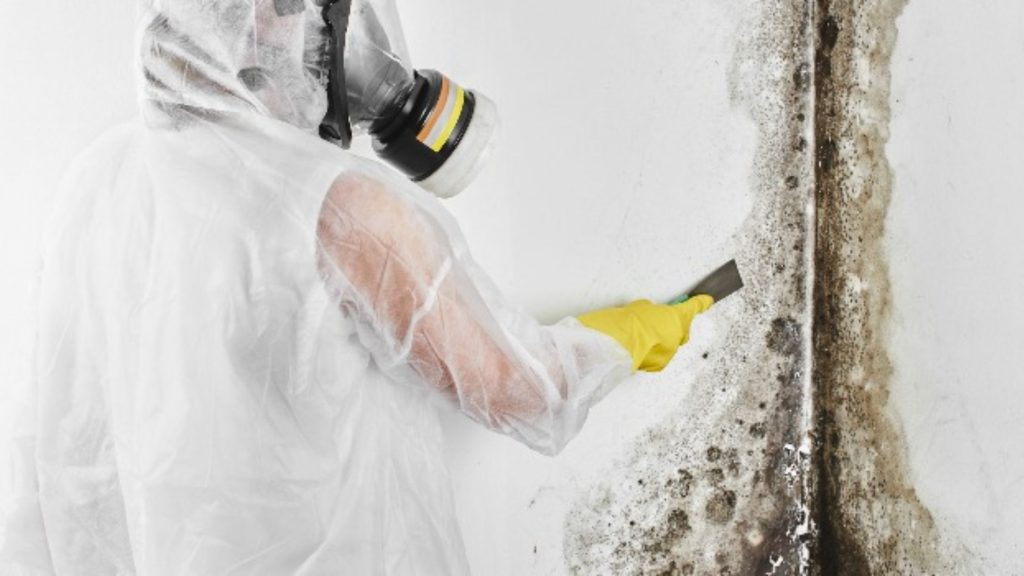
Small mold patches on tile or non-porous surfaces may be manageable with proper cleaning, but deeper or recurring mold requires professional treatment. Mold removal Seattle becomes essential when mold grows on drywall, wood, carpet, insulation, or inside ventilation systems. Apartments with leaking pipes, water-damaged ceilings, or poor airflow often develop mold behind walls, making DIY cleaning ineffective. Severe or widespread mold requires containment, protective equipment, and remediation tools that only professionals provide. If residents continue to experience symptoms after cleaning visible mold, the problem is likely hidden and requires expert attention.
Mold affects air quality by releasing spores and irritating particles into the air. In enclosed apartment spaces, these spores travel easily from room to room, settling on furniture, bedding, and clothing. Poor air quality leads to persistent irritation, making apartments uncomfortable even after cleaning surfaces. Extended exposure can cause headaches, fatigue, and concentration difficulties. Mold also absorbs odors and produces musty smells that linger, making apartments feel damp or unhealthy. Improving air quality involves addressing both visible mold and hidden moisture issues, ensuring ventilation is working properly, and removing contaminated materials.
Renters should report leaks or mold growth to their landlord immediately, as Washington housing guidelines require landlords to maintain safe living conditions. However, if mold is severe or landlords delay addressing the issue, renters may need to contact professionals for mold assessment. In some cases, renters may need documentation of mold conditions for health or housing complaints. Taking photos, noting symptom patterns, and scheduling an inspection can help ensure that mold is addressed before causing long-term health effects.
Q: What symptoms commonly indicate mold exposure?
Symptoms often include nasal congestion, sneezing, coughing, itchy eyes, headache, or difficulty breathing indoors.
Q: Is black mold more dangerous than other molds?
Black mold may worsen respiratory symptoms, but all molds can trigger allergic reactions and irritation.
Q: How can I tell if mold is hidden behind walls?
Musty odors, bubbling paint, discoloration, or damp walls often signal hidden mold growth.
Q: Can mold make you sick even if you can’t see it?
Yes. Airborne mold spores can irritate the respiratory system even when mold is not visible.
Q: When should a tenant move out due to mold?
If mold is widespread, recurring, or causing severe health problems, temporary relocation may be necessary until professional remediation is complete.
Living with mold in Seattle apartments exposes residents to a wide range of health risks, from mild allergies to serious respiratory complications. With the region’s damp climate and older building structures, mold often becomes a recurring problem that requires professional expertise to fully remove. When mold appears on porous surfaces, causes consistent symptoms, or spreads beyond visible areas, professional mold removal Seattle services become essential for restoring indoor air quality and preventing long-term harm. For dependable and experienced mold remediation tailored to Seattle’s unique environment, RW Restoration WA provides thorough inspection, removal, and prevention solutions to keep your home safe and healthy.