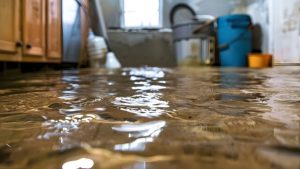
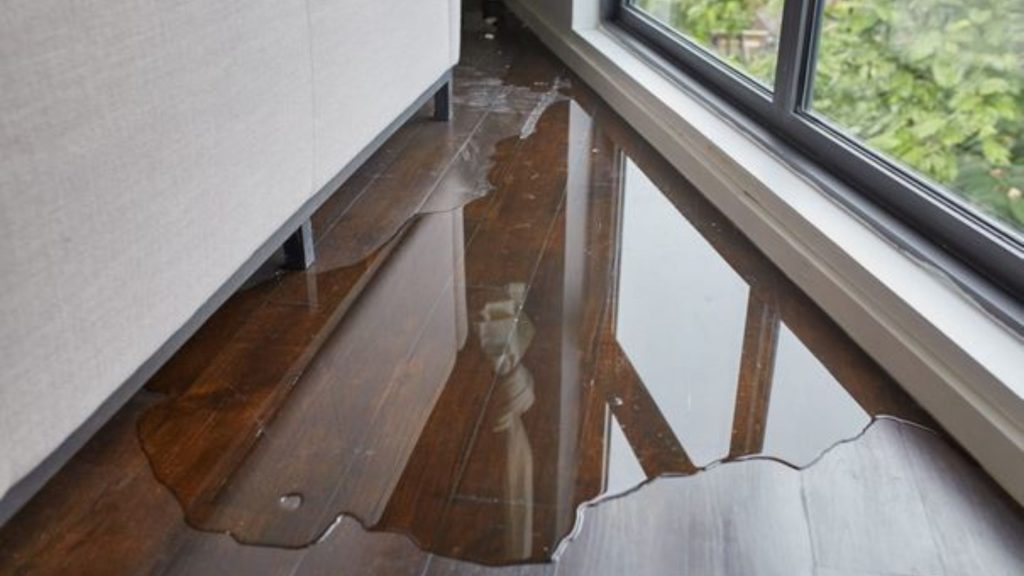
The water damage restoration in Bellevue wa process works through a systematic five-stage approach: inspection, water extraction, stabilization, industrial drying, and final structural repair. Because Bellevue experiences high humidity and frequent rainfall, professional restoration must utilize psychrometric science to ensure that moisture is pulled from deep within wall cavities and subfloors. By initiating this professional workflow within the first 24 hours, you prevent the permanent degradation of building materials and stop the development of hazardous mold colonies in your property.
The stages of water damage restoration involve an initial assessment to categorize the water, followed by the physical removal of standing liquid and a rigorous drying phase monitored by moisture sensors. Technicians first determine if the water is “clean” from a supply line or “contaminated” from an external flood, as this dictates the safety protocols and sanitization chemicals required. Once the site is stabilized, the focus shifts to mechanical evaporation and dehumidification to return the structure to its pre-loss dry standard.
In Bellevue neighborhoods like Somerset or the waterfront properties near Meydenbauer Bay, homes often feature high-end finishes that require a “dry-in-place” strategy. This phase of water mitigation Bellevue WA utilizes floor drying mats and injectidry systems to save hardwood floors and custom cabinetry without the need for demolition. Specialized technicians monitor the “grains per pound” in the air daily to ensure the dehumidifiers are effectively pulling moisture out of these dense materials.
If you notice signs of bubbling paint or warped baseboards, it is vital to get in touch with our team to perform a professional moisture map of your home. Standard visual inspections often miss water that has migrated behind tiled surfaces or under luxury vinyl plank flooring. Professional-grade thermal cameras can see the temperature differences caused by hidden moisture, allowing for a targeted and efficient drying plan.
A successful water damage restoration bellevue wa project begins with the most critical step: high-volume water extraction. Removing liquid water is roughly 1,200 times more efficient than trying to evaporate it, which is why professionals use truck-mounted vacuum systems rather than household tools. This process removes the bulk of the moisture from carpets, pads, and upholstery, significantly shortening the overall drying timeline.
For commercial buildings near the Bellevue Collection or office spaces in the Downtown business district, water extraction Bellevue WA must be performed with minimal disruption to daily operations. Submersible pumps may be deployed for basement flooding, while weighted “Rover” extractors are used to squeeze water out of commercial-grade glue-down carpeting. This aggressive physical removal is the only way to prevent the water from seeping into the concrete slab and causing long-term odors.
Managing the logistics of a large-scale leak requires a coordinated effort to protect unaffected areas of the building. You should reach out for assistance as soon as the extraction phase is complete to ensure that the proper drying equipment is staged correctly. Without immediate air movement, the secondary damage from high humidity can ruin electronics, paperwork, and sensitive building materials in rooms that were never even touched by liquid water.
The timeline for water damage repair Bellevue WA typically ranges from three to five days for the drying phase, followed by one to two weeks for any necessary reconstruction. The duration depends heavily on the “class” of the water loss, which describes how much of the area is wet and how porous the materials are. Dense materials like lath and plaster or solid oak flooring will always take longer to release moisture than standard drywall and pine framing.
If your property is situated near local landmarks like the Bellevue Botanical Garden or Downtown Park, the outdoor ambient humidity can sometimes influence the efficiency of the drying cycle. You should contact a specialist to ensure that your restoration plan accounts for these environmental variables. Local experts understand how to adjust the “balanced drying” equation to account for the specific climate conditions of the Eastside during different seasons.
The drying phase of restoration relies on the relationship between temperature, humidity, and airflow to force moisture out of the structure. High-velocity air movers create a low-pressure zone on the surface of wet materials, which encourages the water molecules to turn into vapor. Dehumidifiers then capture this vapor and turn it back into liquid water, which is pumped out of the building, effectively “milking” the moisture out of the home.
Using this advanced equipment is the only way to ensure that the building’s skeleton is truly dry. If you skip this step and simply replace the carpet or paint over the walls, you are sealing moisture inside the structure. This inevitably leads to dry rot, which can compromise the load-bearing capacity of your floor joists and wall studs over time.
It is important for Bellevue homeowners to understand the difference between mitigation and the final repair phase. Mitigation is the emergency response designed to stop the damage and dry the property, while restoration or “reconstruction” involves the actual rebuilding of the home. Most insurance policies treat these as two separate phases of the claim, each requiring its own documentation and approval process.
| Process Phase | Primary Objective | Typical Equipment Used |
| Mitigation | Stabilize and dry the structure | Extractors, Dehumidifiers, Fans |
| Remediation | Remove biological hazards | HEPA Vacuums, Antimicrobials |
| Repair | Rebuild and finish the space | Power tools, painting supplies |
| Restoration | Return to pre-loss condition | Professional cleaning systems |
While your AC system does remove some moisture, it is not designed to handle the massive vapor load created by a flood. Professional LGR dehumidifiers are significantly more powerful and can lower the relative humidity to levels that your home HVAC system simply cannot reach.
Technicians must take daily moisture readings to ensure the equipment is working effectively and to adjust the placement of fans. This data is also required by your insurance company to prove that the drying process was scientifically verified and successful.
Most policies cover water damage that is “sudden and accidental,” such as a burst pipe or a failed water heater. They typically do not cover gradual damage caused by a lack of maintenance or flooding from rising groundwater unless you have a separate flood insurance rider.
A dry standard is a target moisture level determined by taking readings from unaffected parts of your home. The goal is to dry the wet materials until they match the moisture content of the “dry” parts of the structure, ensuring a consistent and safe environment.
Not necessarily. If the water is extracted quickly and specialized floor drying mats are used, hardwood floors can often be saved. However, if the wood has already “cupped” or “crowned” significantly, some sanding or replacement may be required.
Navigating the water damage restoration Bellevue wa process requires a combination of rapid response and scientific precision. By understanding the stages of extraction, stabilization, and drying, you can better manage the recovery of your property and ensure a healthy living environment. In the damp climate of the Pacific Northwest, cutting corners during the drying phase is never an option, as the risk of long-term structural issues and mold is simply too high.
Whether you are restoring a modern high-rise near Bellevue Square or a classic family home in the Lake Hills neighborhood, RW Restoration is a trusted local service provider in Bellevue. We offer a complete solution to the water mitigation Bellevue WA and water damage repair Bellevue WA needs of our community, using the latest technology to verify every stage of the process. Our team is dedicated to providing professional, high-quality restoration services to help you return your home to its original condition. Don’t let the restoration process overwhelm you, contact our experts today to begin your professional recovery plan.