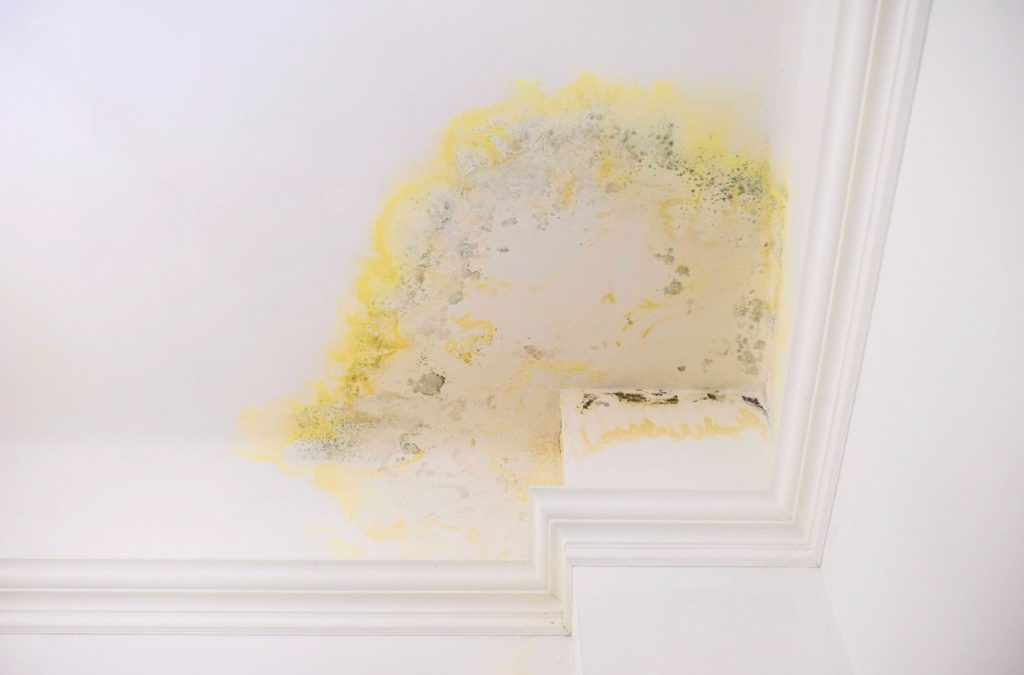
Mold allergies can make life miserable for those affected. Sneezing, coughing, and itchy eyes are just a few of the symptoms that can disrupt daily life. Mold thrives in damp, humid environments and can grow on many surfaces in your home. This makes it crucial to control moisture and keep mold at bay.
Understanding mold allergies and their impact on health is important. Mold produces tiny spores that float through the air. When inhaled, these spores can cause allergic reactions. Some people might experience mild symptoms, while others could have severe reactions. This makes it essential to create a mold-free environment.
To combat mold allergies effectively, it’s necessary to identify and eliminate mold sources in your home. Knowing where mold commonly grows can help you take steps to remove it. Bathrooms, kitchens, basements, and any areas with poor ventilation are prime spots for mold. By targeting these areas and following practical tips, you can reduce mold growth and improve your indoor air quality. Taking preventive measures and maintaining a clean home will help you and your family breathe easier.
Mold allergies occur when your immune system overreacts to mold spores. These spores are tiny particles that float in the air and are easily inhaled. Common symptoms of mold allergies include sneezing, runny or stuffy nose, coughing, itchy eyes, and skin irritation. For some people, exposure to mold can also trigger asthma attacks and respiratory issues. Long-term exposure to mold can seriously affect your health, particularly if certain mold types produce mycotoxins, which are toxic substances.
Mold can be more dangerous for people with weakened immune systems or existing respiratory problems. Children and the elderly are also more susceptible to mold-related health issues. If anyone in your home has a mold allergy, it’s crucial to take steps to reduce mold exposure and improve indoor air quality.
Reducing mold in your home not only helps prevent allergic reactions but also creates a healthier living environment for everyone. By understanding how mold affects health, you can take proactive measures to minimize its presence and protect your family.
Knowing where mold commonly grows helps you tackle the problem effectively. Mold thrives in damp, humid areas and often hides in places you might not immediately suspect. Here are common mold-prone areas in homes:
To eliminate mold, start by cleaning visible mold with a mixture of water and detergent. For more stubborn mold, use a solution of bleach and water, but make sure the area is well-ventilated. Remove any moldy materials like carpets, drywall, or insulation that can’t be cleaned effectively.
Next, focus on controlling moisture levels. Fix any leaks in your plumbing, roof, or windows. Use dehumidifiers to keep indoor humidity levels between 30% and 50%. Ensure that your home is well-ventilated by using exhaust fans in kitchens and bathrooms and opening windows when weather permits.
Taking these steps to identify and eliminate mold sources will help you create a healthier home environment and reduce the risk of mold-related allergies.
Reducing indoor mold growth requires a few simple and effective practices. Keeping your home dry and clean is key. Here are practical tips to help you manage moisture and prevent mold:
By following these practical tips, you can effectively reduce indoor mold growth and maintain a healthier living environment.
Regular cleaning and maintenance play a critical role in preventing mold. Keep an eye out for mold-prone areas and clean them regularly to stay ahead of the problem. Here are some cleaning and maintenance tips:
Routine cleaning and maintenance can help you manage mold effectively and keep your home mold-free.
Combating mold allergies requires a proactive approach to create a healthier home environment. By understanding mold allergies, identifying and eliminating mold sources, reducing indoor mold growth, and following effective cleaning and maintenance strategies, you can significantly lessen mold’s impact on your health.
Ensuring your home remains mold-free can be a challenging task, but RW Restoration is here to help. Our experts specialize in handling water, fire, and mold damage professionally and promptly. To ensure your home is safe and healthy, contact RW Restoration today for an affordable mold removal service. Stay mold-free and breathe easier with our expert help!