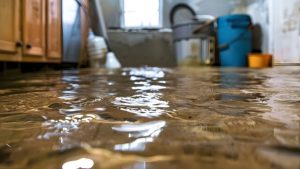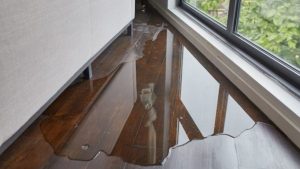
Water damage can be a homeowner’s worst nightmare. It not only creates immediate problems but also affects the long-term value of your property. When water seeps into your home, it can cause structural damage, lead to mold growth, and even weaken the foundation over time. These issues not only lower the property’s value but can also create significant health hazards.
One of the biggest concerns is how water damage affects a home’s resale value. Potential buyers are often wary of homes with a history of water damage, even if repairs have been made. They worry about hidden issues that could cost them more money down the line. This can make it harder to sell your property or force you to lower the asking price.
Understanding the full impact of water damage on property value is crucial. In addition to visible damage, there are often hidden costs and problems that can arise. Being aware of these issues and taking steps to mitigate water damage can help you maintain the value of your property. By knowing what to look for and how to address problems early, you can protect your home and investment.
Water damage can greatly lower the value of your property. This happens because water can weaken the structure of your home. It can seep into wooden beams, walls, and even the foundation. Over time, this makes the structure unsafe and requires costly repairs. Buyers usually see these problems as too big and risky, making it harder to sell your home.
Mold growth is another huge problem caused by water damage. Mold can start growing within 24 to 48 hours after water exposure. It can spread to different parts of the house, damaging walls, carpets, and furniture. Mold also poses health risks, which makes a home less attractive to buyers. Mold removal is expensive, and most people would rather avoid this hassle.
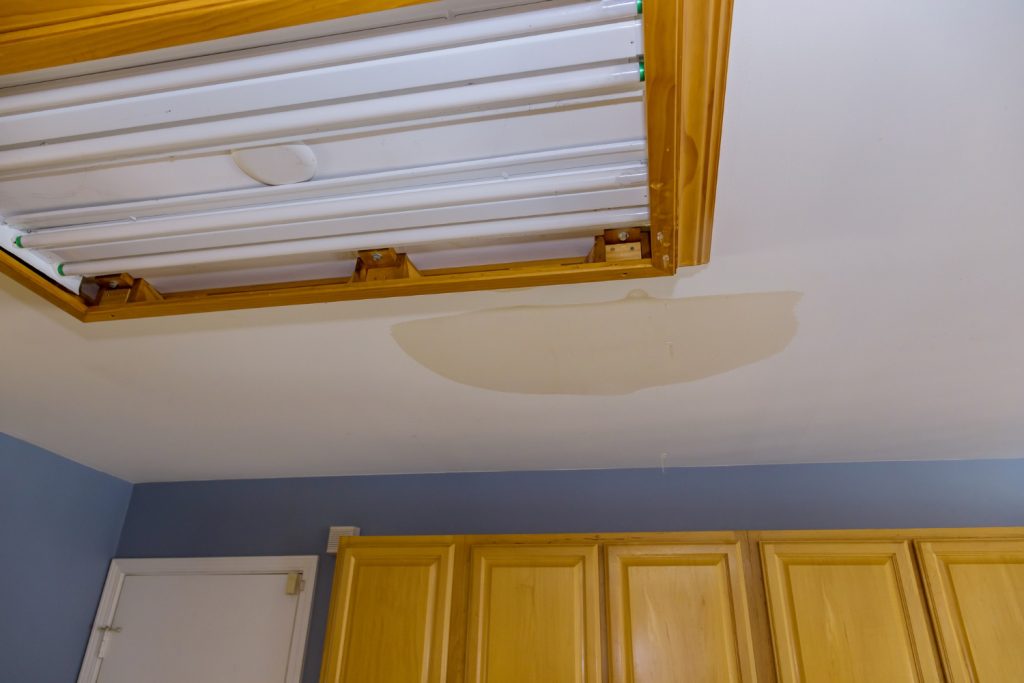
Lastly, water damage can ruin the home’s appearance. Stains on ceilings and walls, warped floors, and peeling paint all make a home look old and poorly maintained. Cosmetic damages decrease curb appeal and lead to lower offers from potential buyers. Fixing these issues takes time and money, which affects the overall value of the property.
Water damage brings many hidden costs that can surprise homeowners. Structural repairs are often the biggest hidden cost. Even if the damage seems minor, water can seep into unseen areas and weaken the structure over time. Fixing these issues can become extremely expensive, especially if the foundation requires work.
Medical expenses can also arise from water damage, primarily due to mold. Mold can cause various health problems like allergies, respiratory issues, and skin irritations. Treating these conditions can be costly, and a mold-infested home adds another layer of worry for potential buyers.
Electrical problems are another hidden issue. Water and electricity don’t mix well, and water can damage wiring and electrical panels. This makes the home unsafe and increases the risk of electrical fires. Fixing electrical issues can be costly and must be done by professionals, adding to the overall repair bill.
Water damage can also lead to an increase in insurance premiums. Even after repairs, homes with a history of water damage might be seen as high-risk by insurance companies. This results in higher premiums, making the property more expensive to maintain in the long run.
By understanding these hidden costs and issues, you can better prepare for the full extent of water damage. Taking action early can save money and help maintain your property’s value.
Mitigation and restoration are essential steps in tackling water damage. These strategies help minimize damage, save money, and protect your home in the long run.
1. Immediate Response: The first step is to act quickly. Remove any standing water using mops, towels, and wet vacuums. The quicker you act, the less damage there will be.
2. Dry Out Affected Areas: Use dehumidifiers and fans to dry out affected areas. This helps prevent mold growth and further damage. Keep windows open if weather permits to improve airflow.
3. Disinfect and Clean: Clean all affected areas with disinfectants to kill bacteria, which can cause health issues. This step is crucial for areas exposed to dirty or contaminated water.
4. Remove Damaged Materials: Take out any water-damaged materials like carpets, drywall, and insulation. These items can harbor mold and weaken over time.
5. Professional Help: For severe damage, hire professionals to assess and repair the situation. Experts can identify hidden issues and use specialized equipment to restore your home.
Preventing water damage before it happens is key to protecting your property. Here are some practical tips to keep your home safe:
1. Regular Inspections: Periodically check your roof, windows, and basement for any signs of leaks or damage. Early detection can save you from bigger problems later.
2. Maintain Gutters and Downspouts: Clean your gutters and downspouts regularly to ensure proper water flow. Blocked gutters can cause water to overflow and seep into your home.
3. Install Sump Pumps: In areas prone to flooding, installing a sump pump can help remove excess water. Test it regularly to make sure it’s working correctly.
4. Seal Cracks: Inspect and seal any cracks in your foundation, walls, and around windows. Use waterproof sealants to keep moisture out.
5. Upgrade Plumbing: Consider upgrading old or faulty plumbing. Leaky pipes are a common cause of water damage, and modern systems are more reliable.
Taking preventive measures is easier and cheaper than dealing with water damage after it happens. Implement these tips to safeguard your property and maintain its value.
Understanding the long-term effects of water damage is crucial for any homeowner. Water damage can significantly lower your property’s value, bring hidden costs, and create health hazards. By acting quickly and knowing what steps to take, you can mitigate these effects.
Use the strategies we discussed to handle water damage and keep your home in good shape. Regular inspections, timely repairs, and preventive measures will go a long way in protecting your property.
If you do encounter water damage, professional help can make a big difference. At RW Restoration, we specialize in restoring homes affected by water, fire, and mold. Contact us today for reliable water damage restoration services and ensure your home remains safe and valuable for years to come.