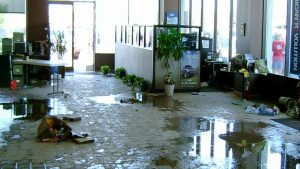

Water damage can happen suddenly due to leaks, floods, or burst pipes, leaving you scrambling to save your cherished possessions. Taking quick and deliberate action is essential to minimize the damage and salvage as many items as possible. This guide will walk you through the immediate steps you need to take to protect your belongings from water damage effectively.
First and foremost, safety must be your number one priority. Before you start saving your items, make sure the area is safe to enter. Water can conceal electrical hazards and structural weaknesses that pose serious risks. Once you ensure it’s safe, you can move on to assessing the damage. Thoroughly documenting the extent of the damage is crucial for insurance purposes and for making informed decisions about which items can be salvaged.
Acting quickly to dry out and save your belongings can make a significant difference. Certain materials and objects are particularly susceptible to water damage and should be prioritized. We’ll cover different techniques to dry and restore your possessions effectively. Finally, implementing measures to prevent future water damage can save you from the heartache and effort of going through this process again. By taking these steps, you can safeguard your home and belongings from future incidents, ensuring a safer living environment.
Before you start rescuing your belongings, ensuring your own safety is paramount. Water damage can create hidden dangers, such as electrical hazards and structural instability. The first step is to turn off the power to the affected areas, especially if there is standing water. This prevents any risk of electrical shock and allows you to move around safely.
Next, take precautions to avoid slipping or tripping on wet surfaces. Wear rubber boots, gloves, and protective clothing to shield yourself from contaminated water, which may carry harmful bacteria or chemicals. If the water damage is extensive, consider wearing a mask to protect yourself from potential mold spores and airborne contaminants.
Once you’ve secured the area, evaluate the integrity of the structure. Look for sagging ceilings, buckled floors, or walls that may be at risk of collapsing. If you identify any of these issues, it might be best to wait for professional help. By taking these safety measures, you ensure that you can work on salvaging your belongings without putting your health or safety at risk.
After ensuring the area is safe, it’s crucial to assess the extent of the damage. Start by taking a comprehensive look at each room affected by the water. Make a list of all belongings that have been damaged, noting the severity of the damage for each item. This will help you prioritize which items need immediate attention and which can wait.
Documenting the damage is essential for insurance claims. Take clear photographs and videos of each damaged item and the affected areas. Make sure to capture multiple angles and close-up shots to provide thorough evidence of the extent of the damage. This documentation will be invaluable when you file your insurance claim, ensuring you receive the compensation you deserve.
In addition to photos and videos, keep a written record. Note the date and time when the damage occurred, as well as when you discovered it. Describe the condition of each item and any visible signs of damage, such as discoloration, warping, or mold growth. By keeping detailed records, you streamline the process of filing claims and make it easier to assess the situation and plan the next steps effectively.
Once you’ve documented everything, it’s time to start drying out and salvaging your belongings. Quickly removing excess water is crucial to minimize damage. Use towels, mops, and buckets to soak up standing water. For larger volumes of water, consider using a wet-dry vacuum.
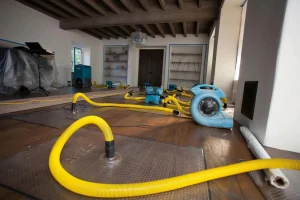
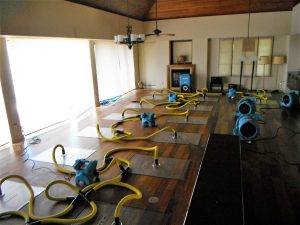
Next, set up fans and dehumidifiers throughout the affected areas. Proper air circulation helps speed up the drying process and reduces the likelihood of mold growth. Open windows and doors, if possible, to enhance airflow. Moving furniture and other items to a dry space can prevent further damage and make it easier to assess what can be saved.
For items like books, documents, and photos, gently blot the surface with a dry cloth and place them in a well-ventilated area. Electronics should be dried and inspected by a professional before use to prevent any electrical hazards. Pay special attention to textiles, which can often be washed and dried if they haven’t absorbed too much water. Prioritizing these immediate actions can significantly impact what you can salvage and restore.
To safeguard your home and belongings from future incidents, implementing preventative measures is key. Regularly inspect your home for leaks, especially in areas prone to water exposure like bathrooms, kitchens, and basements. Patch up any cracks in the foundation or walls and ensure your roof is in good condition. Regular maintenance can prevent small issues from becoming major problems.
Installing water detection devices near potential leak sources can provide an early warning system. These devices sound an alarm when they detect moisture, giving you a head start on addressing a problem before it becomes severe. Additionally, consider using sump pumps and other drainage systems to manage water levels during heavy rains or flooding.
Another important step is ensuring proper ventilation throughout your home. Use exhaust fans in bathrooms and kitchens, and run dehumidifiers in damp areas like basements. Good airflow can help keep moisture levels low and prevent the conditions that lead to water damage. Taking these preventative steps can save you from the stress and cost of dealing with water damage in the future.
Experiencing water damage can be overwhelming, but knowing how to respond quickly and effectively can make a huge difference in saving your belongings and restoring your home. By following the steps outlined, from ensuring a safe environment to taking immediate action to dry and salvage your items, you can mitigate the impact of water damage. Documenting everything thoroughly also paves the way for smoother insurance claims.
Preventing future water damage should also be a priority. Regular inspections, maintenance, and installing prevention devices will help protect your home and belongings from future mishaps. Proper ventilation and moisture control are crucial aspects of keeping your home dry and safe.
If you’re facing water damage or want to implement preventative measures, don’t hesitate to get professional help. Contact RW Restoration for expert advice and services in repairing and restoring properties affected by water, fire, or mold. Protect your home and valuables today with the help of reliable local fire and water damage restoration services