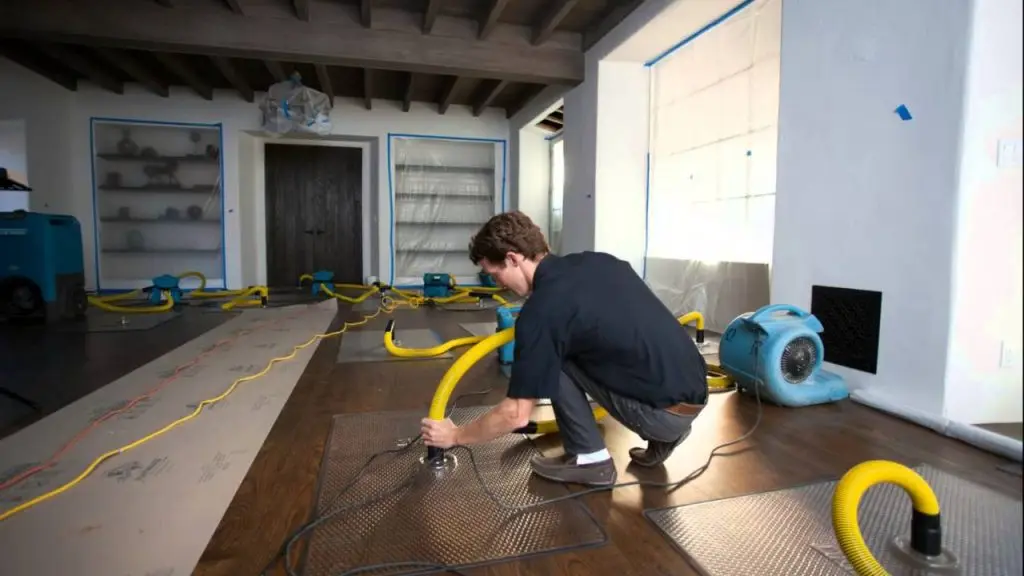
When a pipe bursts in your Ballard craftsman or a heavy rainstorm floods your basement in West Seattle, the immediate concern is often the visible mess. However, the hidden threat of compromised framing, rotting subfloors, and weakened foundations is what truly devalues a property. Prompt water damage restoration services are essential because they do more than just remove standing water; they stabilize the building’s skeletal structure by managing moisture levels before they reach a point of no return. Professional restoration prevents the long-term degradation of wood and masonry by utilizing industrial-grade dehydration technology tailored to the unique humidity of the Pacific Northwest.
Yes, water damage directly compromises structural integrity by weakening the materials that support your home’s weight. When organic materials like timber, drywall, and subflooring absorb moisture, they undergo physical and chemical changes. Wood swells and eventually rots, losing its load-bearing capacity. Metal fasteners like nails and brackets can rust and fail. Over time, persistent moisture can even lead to the shifting of foundations in areas with soft soil, such as those near the Duwamish River or along the coastal slopes of Magnolia.
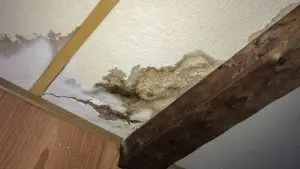
In Seattle, the high ambient humidity means that materials do not dry out naturally. Without professional intervention, a simple leak can lead to “wicking,” where water travels vertically through wall studs and insulation. This can lead to sagging ceilings and buckling floors that eventually require complete reconstruction rather than simple repair.
Professional water damage restoration in Seattle is the primary defense against the gradual decay caused by the city’s damp climate. The restoration process involves more than just extraction; it includes a scientific approach to drying that considers the specific porosity of materials found in local homes. By ensuring that the “dry standard” is met for every piece of timber and sheetrock, technicians prevent the onset of “dry rot,” a fungal infection that can eat through a home’s structural supports even after the surface appears dry.
Local property owners in neighborhoods like Capitol Hill or Queen Anne often deal with older structures where the wood is particularly susceptible to moisture absorption. Professional teams use moisture meters and thermal imaging to find water pockets hidden behind historic plaster or under hardwood floors. Addressing these hidden reservoirs is the only way to ensure the home remains safe for decades to come.
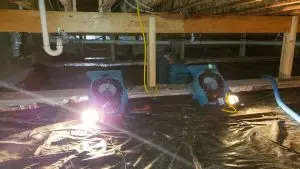
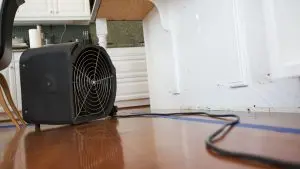
The primary goal of structural drying is to reach the Equilibrium Moisture Content (EMC) of a building’s materials. In the Pacific Northwest, this is a delicate balance. If a home is dried too quickly, wood can crack or “check”; if dried too slowly, mold and rot take hold. Expert structural drying services in Seattle utilize LGR (Low Grain Refrigerant) dehumidifiers and high-velocity air movers to pull moisture out of dense materials like floor joists and wall studs.
This process is critical for preventing the degradation of the “sill plate,” which is the piece of lumber that sits directly on the foundation. In many Seattle basement conversions, this area is highly vulnerable to moisture. By maintaining a controlled environment during the restoration, experts ensure that the structural skeleton of the home remains rigid and free from the fungi that cause cellulose breakdown.
While it might seem that a ceiling leak is isolated, water follows the path of least resistance, often traveling down through wall cavities to the lowest point of the structure. Comprehensive ceiling and wall water damage repair in Seattle involves checking the entirety of the “water path” to ensure the foundation isn’t being undermined by pooling water. If water is allowed to sit at the base of a wall, it can seep into the concrete slab or the crawlspace, leading to hydrostatic pressure issues.
In hilly areas like Yesler Terrace or the steep streets of Downtown, internal leaks can contribute to external soil instability if the drainage systems are overwhelmed. Repairing the internal damage correctly involves sealing the envelope of the home and ensuring that all moisture is accounted for, which prevents the foundation from settling unevenly.
Long-term water damage prevention in Seattle requires a proactive strategy that accounts for the city’s 150+ days of rain per year. This includes maintaining clear gutters, ensuring proper soil grading away from the foundation, and installing high-quality sump pumps with battery backups. Additionally, homeowners should consider “breathable” basement finishes that allow for some moisture transfer without trapping water against the foundation walls.
Regular inspections of “wet rooms” like kitchens and bathrooms are vital, especially in high-density areas like South Lake Union where small leaks in multi-story buildings can cause massive structural issues across several units. Checking for soft spots in the flooring or discolored paint can catch a problem before it requires a full-scale restoration.
| Service Feature | Purpose | Impact on Structural Integrity |
| Water Extraction | Removes bulk liquid | Prevents immediate wood saturation |
| Dehumidification | Lowers relative humidity | Stops secondary damage and mold |
| Thermal Imaging | Finds hidden moisture | Ensures no hidden rot develops |
| Antimicrobial Treatment | Kills fungal spores | Protects the health of the wood fibers |
| Monitoring | Tracks drying progress | Guarantees materials reach “dry standard” |
Most homes can be saved if the intervention happens before the “total load-bearing failure” occurs. This often involves a process called “shoring,” where temporary supports are placed while the damaged structural members are replaced or reinforced. In Seattle, this is common in historic renovations or after significant plumbing failures in neighborhoods like Fremont.
The restoration team will first stabilize the environment to prevent further decay. Once the structure is dry, they work with engineers to replace rotted beams or sistering joists to restore the original strength of the building. To begin the process of evaluating your home’s safety, you should reach out to a professional team for a comprehensive inspection to determine the extent of the invisible damage.
Foundation damage doesn’t happen overnight, but the process begins within hours of water exposure. In the first 24 to 48 hours, water can start to erode the mortar in brick foundations or cause the soil beneath a concrete slab to expand and contract. Over weeks or months, this leads to cracks and shifting. In areas like the Rainier Valley, where soil types vary, the impact of standing water on a foundation can be even more pronounced.
The presence of water also increases the risk of “efflorescence,” where minerals are leached out of the concrete, weakening it over time. Professional restoration stops this process by managing the drainage and ensuring the area around the foundation is completely dehydrated and stabilized.
While mold is primarily a health concern, certain types of “wood-decay fungi” are technically molds that consume the lignin and cellulose in wood. These fungi can turn a solid 4×4 post into a brittle, crumbly mess that can no longer support the weight of a roof. Because Seattle’s climate is often within the ideal temperature and humidity range for these fungi, the risk is higher here than in drier climates.
A proper restoration protocol includes treating all structural members with EPA-registered antimicrobials. This ensures that even if a small amount of moisture returns, the wood is protected against the growth of rot-inducing organisms. To learn more about protecting your property from these threats, contact an expert today to discuss preventative maintenance and restoration options tailored to your specific neighborhood and home style.
The first priority is always safety and source control. Turn off the main water valve and the electricity to the affected area. Once the situation is stable, you must act quickly to begin the drying process. Every hour that water sits in your carpets or against your drywall, it is wicking further into the structural components of your home.
Residents near Pike Place Market or the busy Waterfront should also be aware of the potential for “Category 3” water (black water) if the leak involves sewage or street runoff. This requires specialized biohazard cleaning to ensure the structure is not just dry, but also sanitary. For immediate assistance and to prevent escalating costs, you should contact us to speak with a local restoration specialist who understands the specific building codes and environmental challenges of the Puget Sound area.
You can identify potential structural damage by looking for signs such as doors that no longer close properly, visible cracks in the drywall that follow a diagonal pattern, or “spongy” floors. If you notice a musty odor that persists after cleaning, it likely indicates that water has penetrated the structural wood behind your walls.
Most standard homeowners insurance policies in Washington State cover water damage and the necessary structural drying if the cause was “sudden and accidental,” such as a burst pipe. However, damage caused by long-term seepage or regional flooding typically requires specific endorsements or separate flood insurance.
Standard household fans are generally insufficient for structural drying. They do not have the static pressure required to push air through dense materials, and they do not remove moisture from the air. Without a high-capacity dehumidifier, home fans often just move wet air around, which can actually accelerate mold growth in other parts of the house.
Yes. Seattle has many homes built before 1950 in areas like the University District and Madison Park. These homes often use “balloon framing” or lath and plaster walls. These materials hold moisture much longer than modern drywall and require specialized drying techniques to prevent the plaster from crumbling and the long vertical studs from rotting.
The cost varies significantly based on the square footage and the “category” of water. Simple clean water extractions are more affordable, while “black water” incidents involving sewage require higher labor costs for decontamination. Addressing the problem within the first 24 hours is the most effective way to keep costs down and prevent expensive structural replacements.
Securing the future of your home requires an understanding that water is a patient but persistent enemy of structural stability. In the Pacific Northwest, the stakes are higher due to our constant exposure to moisture and high humidity levels. Effective water damage restoration seattle is the only proven method to stop the clock on decay and ensure that a temporary leak doesn’t become a permanent structural failure. By prioritizing professional extraction, scientific drying, and thorough moisture monitoring, homeowners can protect their investment from the ground up.
As a trusted local service provider, RW Restoration specializes in navigating the complexities of Seattle’s unique architectural landscape. Whether you are dealing with a modern condo in Belltown or a vintage home in West Seattle, our team provides the technical expertise and advanced equipment necessary to restore your property to its pre-loss condition. We focus on a user-first approach, ensuring that your home’s structural integrity is verified and protected against the long-term effects of water exposure.