Mold doesn’t need much time to take hold once water finds its way into a Seattle home, and the region’s damp climate only accelerates the process. Water damage restoration in Seattle exists specifically to beat this timeline, removing moisture before it reaches the point where mold spores have the conditions they need to multiply.
This guide breaks down why Seattle homes face a heightened mold risk, exactly how fast mold develops after water exposure, and the areas where it tends to show up first.
Seattle’s climate creates conditions that are especially favorable for mold growth once water damage occurs. Between constant rainfall, elevated humidity, and limited natural drying opportunities, moisture tends to linger far longer here than in drier parts of the country.
Seattle’s frequent rain keeps outdoor humidity elevated for much of the year, and this moisture regularly finds its way indoors through roofing, siding, or window seals, adding to the overall moisture load inside a home.
Consistently high indoor humidity throughout the region means materials that get wet from a leak or flood take longer to dry naturally, extending the window during which mold can begin developing.
Seattle’s overcast skies and cooler temperatures reduce the natural evaporation that helps dry out wet materials in sunnier climates, making mechanical drying equipment far more important after any water damage event.
Understanding the timeline of mold development helps Seattle homeowners recognize just how urgent a fast response really is. Each stage after water exposure brings a higher risk of mold taking hold inside the home.
Water begins spreading through porous materials like drywall, carpet, and wood almost immediately after exposure, and this early window offers the best opportunity to extract moisture before mold spores have a chance to activate.
Mold spores that are naturally present in most indoor environments can begin actively developing once materials stay wet for this length of time, particularly in Seattle’s humid conditions that slow natural drying.
Mold colonies that have had several days to develop can expand rapidly across affected surfaces, often spreading beyond the original area of water damage into adjacent walls, flooring, or ceiling sections.
Water damage left unaddressed for a week or longer typically results in extensive mold growth combined with structural deterioration, requiring a far more involved restoration and remediation process to fully resolve.
| Time After Water Damage | What May Happen | Recommended Action |
| 0–24 Hours | Water spreads through materials | Begin water extraction immediately |
| 24–48 Hours | Mold may begin developing | Start professional drying |
| 2–7 Days | Mold colonies can expand | Schedule restoration and remediation |
| Beyond 7 Days | Increased structural damage and mold growth | Comprehensive restoration may be required |
Professional water damage restoration in Seattle targets every condition mold needs to develop, addressing moisture at its source rather than waiting for problems to appear on the surface. Each part of the process works together to keep a property below the threshold where mold becomes a concern.
Infrared cameras and moisture meters locate hidden water behind walls and beneath flooring, ensuring no pocket of moisture is left behind to fuel mold growth after the visible cleanup is finished.
Commercial-grade air movers and dehumidifiers remove moisture from framing, drywall, and flooring quickly, keeping materials below the moisture threshold mold needs to establish itself within a home.
Dehumidification equipment lowers overall indoor humidity during the drying process, addressing the elevated moisture levels in Seattle’s climate that would otherwise extend the risk window for mold development.
Follow-up moisture readings confirm that materials have reached safe levels before restoration is considered complete, catching any lingering dampness that could otherwise lead to mold weeks later.
Mold tends to develop in specific, often overlooked areas of a home after water damage occurs. Knowing where to look helps homeowners and restoration technicians catch problems before they spread further.
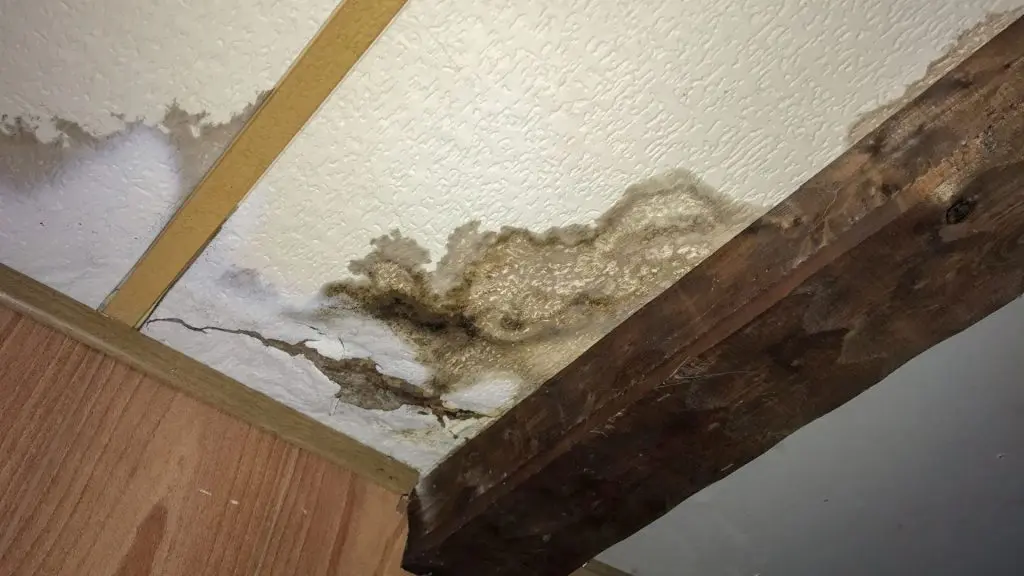
Moisture trapped behind drywall creates a dark, humid environment that’s ideal for mold growth, often developing without any visible sign until the drywall itself becomes discolored or damaged.
Water that seeps beneath hardwood, laminate, or carpet flooring can fuel mold growth in the subfloor, an area that stays hidden from view until flooring is lifted or replaced.
These low-traffic areas of a home often go unchecked for extended periods, allowing mold to develop unnoticed following a roof leak or plumbing failure nearby.
Condensation buildup around HVAC units and ductwork can create localized moisture problems, and mold that develops here can circulate throughout a home’s air supply if left untreated.
Yes, even small amounts of trapped moisture can lead to mold growth within 24 to 48 hours if the affected area isn’t dried properly.
A persistent musty odor, unexplained allergy symptoms, or slight discoloration on drywall can indicate mold growth happening out of sight.
Restoration focuses on removing moisture and preventing mold, though active mold growth may require a separate remediation process depending on the extent of contamination.
Water extraction and drying should begin within 24 hours of water exposure to significantly reduce the risk of mold developing in a Seattle home.
The window to prevent mold after water damage is narrower than most Seattle homeowners realize, especially given the region’s humid, slow-drying climate. RW Restoration provides thorough water damage restoration in Seattle, WA, using moisture detection technology and industrial drying equipment to remove water before mold has the chance to develop.
We check the areas where mold tends to hide, including behind drywall, under flooring, and around HVAC systems, ensuring nothing gets missed during the restoration process. Every hour of delay increases the risk of mold taking hold in your home. Contact RW Restoration today to schedule water damage restoration in Seattle before hidden moisture turns into a mold problem.