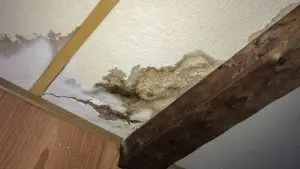

A leaking dishwasher, a failed supply line under a sink, or a slow leak behind a shower wall can do more damage to a kitchen or bathroom than most homeowners expect. By the time water damage in these rooms becomes visible, it has often already reached cabinetry, subfloor, and drywall, which means the space usually needs more than a quick patch. For Seattle homeowners in this position, kitchen remodeling or bathroom remodeling isn’t just an upgrade, it’s often the necessary next step after restoration work is complete.
This article looks at why kitchens and bathrooms are especially vulnerable to water damage, what the process looks like when restoration and remodeling happen together, and what to expect from each stage.
Kitchens and bathrooms have more plumbing connections per square foot than almost any other room in a home. Supply lines, drain lines, dishwasher connections, ice maker lines, and shower or tub plumbing all create potential failure points. In many Seattle homes, especially older craftsman and mid-century properties, original plumbing may be decades old, and small leaks behind cabinets or inside walls can go unnoticed for a long time before damage becomes visible.
Common sources of water damage in these rooms include:
Because these rooms combine plumbing, cabinetry, flooring, and often tile, water damage here tends to affect multiple materials at once rather than a single surface.
Not every leak requires a full remodel. A quickly caught, minor leak may only need drying and a small drywall or flooring repair. But water damage often crosses that line when:
In these situations, restoring the space to a safe, dry condition is only the first part of the project. Rebuilding the kitchen or bathroom is the second.
Water damage restoration and remodeling often overlap, particularly when a leak affects a kitchen or bathroom. The first priority is always to stop the source, remove the water, and stabilize the property. Once the affected areas are dry and damaged materials are removed, the project can transition into rebuilding and, when appropriate, remodeling.
The process begins with a thorough assessment to identify the source of the water and determine how far the moisture has traveled. Technicians extract standing water and evaluate affected cabinetry, flooring, walls, subflooring, and other materials to determine what can be salvaged and what may need to be removed.
Air movers and dehumidifiers are used to dry materials that can be preserved, while heavily damaged materials, such as swollen cabinet bases or saturated subflooring, may need to be removed. Opening affected areas can also reveal hidden moisture or mold behind walls and beneath flooring, which should be addressed before reconstruction begins.
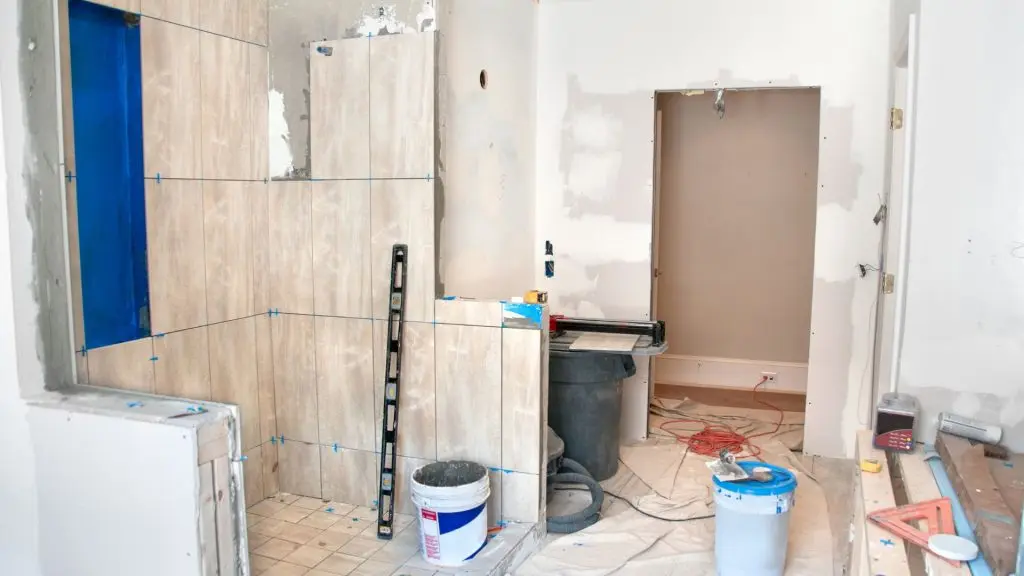
Once the space is dry and damaged materials have been removed, the project moves from restoration toward reconstruction or remodeling. Homeowners can choose to restore the kitchen or bathroom to its previous layout and finishes or use the opportunity to make improvements to cabinetry, countertops, flooring, fixtures, or other features.
The rebuilding stage may include framing repairs, new subflooring, cabinetry, countertops, tile or flooring installation, plumbing fixtures, and finish work. When the same team handles both restoration and remodeling, the transition between phases can be more coordinated, reducing the need to manage multiple contractors and helping keep the project moving toward completion.
Coordinating restoration and remodeling through one process can make a water damage project more efficient and easier to manage for Seattle homeowners. Once the immediate damage has been addressed, keeping the restoration and rebuilding work connected can reduce delays and provide better continuity from the initial assessment through the final repairs.
Every kitchen or bathroom remodel timeline depends on the scope of work, from a straightforward restoration of the original layout to a full redesign with new cabinetry and fixtures. Custom cabinetry, tile, and countertop materials often have their own lead times, which can affect the schedule more than the labor itself. A clear scope of work and material selection process early on helps set realistic expectations before construction begins.
If water damage has left your Seattle kitchen or bathroom needing more than a repair, RW Restoration handles both the restoration work and the remodel that follows, including kitchen remodeling, bathroom remodeling, flooring, and the general construction work needed to rebuild the space properly. If a leak or water intrusion has damaged your kitchen or bathroom, contact RW Restoration to have the space assessed and start planning the path from restoration to a finished remodel.
Not always. Whether a full remodel is necessary depends on how much water was involved, how long materials were wet, and which materials were affected. A professional assessment can determine whether drying and minor repairs are enough, or whether cabinetry, flooring, and finishes need to be replaced.
Yes, when a company offers both water damage restoration and remodeling services. Handling both under one process typically means fewer handoffs and better coordination between the drying and rebuild phases of the project.
Signs include a musty odor, visible discoloration on walls, cabinetry, or flooring, or materials that have stayed wet for an extended period. Mold is more likely to develop in kitchens and bathrooms because of the concentration of plumbing and cabinetry that can trap moisture, which is why a thorough assessment during restoration matters.
Timelines vary based on the extent of the damage and the scope of the remodel, since drying, demolition, and rebuild all factor in, along with lead times for materials like custom cabinetry or tile. A clear scope of work upfront gives the most accurate timeline for a specific project.
Timelines vary based on the extent of the damage and the scope of the remodel, since drying, demolition, and rebuild all factor in, along with lead times for materials like custom cabinetry or tile. A clear scope of work upfront gives the most accurate timeline for a specific project.
That’s a personal decision, but since the space already needs to be rebuilt after water damage, many homeowners use the opportunity to update layout, storage, or finishes rather than restoring the exact original design.