A windstorm moving through the Puget Sound region can strip shingles, drive rain sideways into siding, and send falling branches into a roofline within a matter of hours. For Seattle homeowners, the aftermath often means figuring out how much damage actually happened and what needs attention first. Even damage that looks minor from the ground can allow moisture to enter through compromised roofing or siding.
Delaying repairs can also give water time to reach insulation, wall cavities, and other hidden areas. This guide covers how to assess roof and siding damage safely after a Pacific Northwest storm, what to prioritize, and how the storm damage repair process typically unfolds.
Seattle’s storm pattern combines sustained wind with heavy, often sideways rain, which puts pressure on a home’s exterior in ways that differ from a short, intense downpour. Wind can lift shingles at their edges even without visible cracking, while wind-driven rain finds its way behind siding seams and around window and door trim that would stay dry in calmer weather.
Add falling branches or debris from the region’s mature tree canopy, and roofs and siding often absorb the majority of storm impact before water ever reaches the interior of the home.
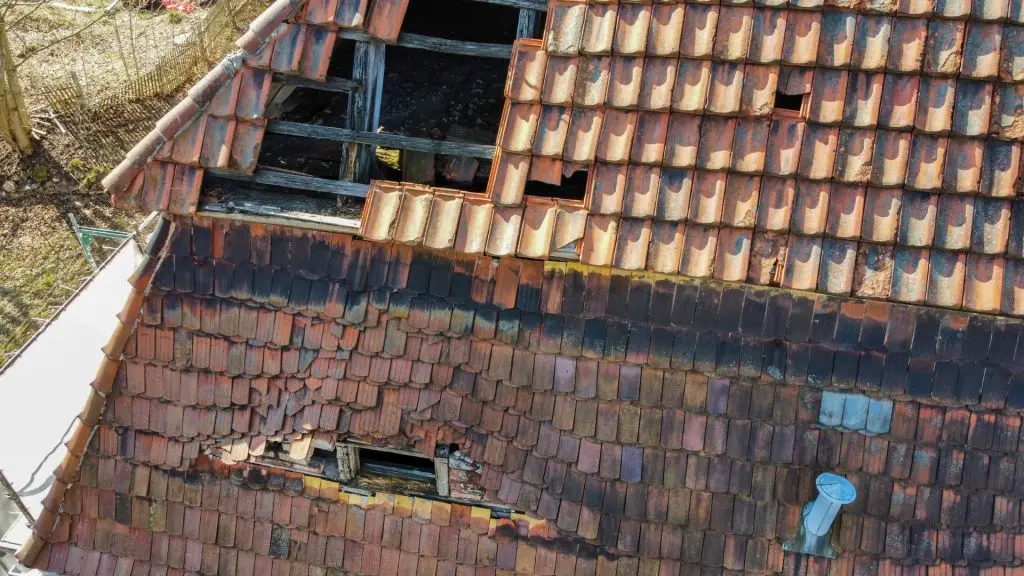
Strong winds and heavy rain can damage more than shingles, affecting flashing, roof decking, seals, and other components. Some problems are visible immediately, while others may only become noticeable after water begins entering the home.
Check for these warning signs from a safe location:
Roof damage isn’t always dramatic. Even a few lifted shingles or damaged flashing can create entry points for water during the next Seattle rainstorm, making prompt assessment important.
Wind, flying debris, and heavy rain can compromise siding even when the exterior appears largely intact. Damage to panels, seams, and trim can create openings that allow moisture behind the siding and into wall assemblies. After a storm, look for these warning signs from a safe position:
Siding damage is easy to underestimate because the exterior surface may appear mostly intact while moisture has already moved behind the material. Early assessment can help identify hidden problems before they lead to rot, mold, or more extensive repairs.
The first priority after a Seattle storm is protecting people and preventing additional damage. Avoid unsafe areas, document what you can from the ground, and arrange professional assessment before attempting repairs.
Storm damage repair typically involves more than replacing visibly damaged materials. A complete assessment helps identify hidden issues, protect the property from additional weather exposure, and determine whether repairs are needed for the roof, siding, or interior.
A thorough inspection covers the roof and exterior rather than focusing only on obvious damage. Wind can loosen shingles, flashing, siding, and other components that may not be visible from the ground. The inspection also looks for signs of water intrusion and areas vulnerable to future leaks.
If the property remains exposed to rain or wind, temporary protection can help prevent additional damage. Depending on the situation, measures such as professional tarping or board-up services may protect openings until permanent repairs can be completed.
The repair scope depends on the type and extent of the storm damage. Work may include replacing individual shingles or siding panels, repairing flashing, or replacing larger sections of roofing or siding. Because RW Restoration handles roofing, siding, and general construction, the project can move from assessment through repairs without coordinating separate contractors for each trade.
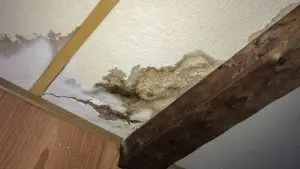
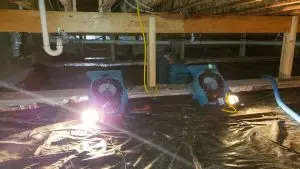
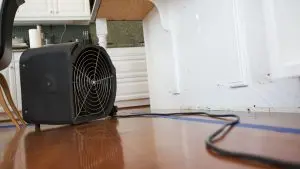
If storm-related water has entered the home, interior restoration may be necessary. This can include removing standing water, drying affected areas, and repairing or replacing damaged drywall, insulation, flooring, and other materials.
Routine exterior maintenance can reduce the likelihood of storm-related problems and help identify vulnerabilities before severe weather arrives. A few preventive measures can also help protect roofing, siding, drainage systems, and surrounding areas.
If a Pacific Northwest storm has damaged your roof or siding, getting a professional assessment quickly limits how much further damage develops before repairs are made. RW Restoration provides storm damage repair for homes throughout Seattle, along with roofing, siding, water damage restoration, and general construction services for properties that need repairs beyond the exterior. If your Seattle home has roof or siding damage after a recent storm, contact RW Restoration to get the damage assessed and repairs underway.
Check gutters and the ground around your home for shingle granules or debris, and look at your ceilings for any new water stains. If you’re unsure, a professional roof inspection is the most reliable way to catch damage that isn’t obvious from the ground.
It depends on the conditions. If the weather is still unsettled or the roof shows signs of structural damage, it’s safer to have a professional inspect it rather than climbing up yourself. A ground-level visual check with binoculars is a reasonable first step.
Move to a safe area away from the leak, place containers to catch water if it’s safe to do so, and move any valuables out of the path of the leak. Contact a storm damage repair professional as soon as the immediate weather allows for a safe assessment.
In most cases, wind and storm-related damage to a roof or siding is covered under a standard homeowners policy, though coverage details and deductibles vary. Reviewing your specific policy or speaking with your insurance provider is the best way to confirm what applies to your situation.
As soon as it’s safely possible. Delayed repairs give water more opportunity to work its way from a damaged roof or siding section into the interior of the home, which can turn a straightforward exterior repair into a larger water damage restoration project.
Yes. If a storm causes both exterior damage and interior water intrusion, a company that handles both storm damage repair and water damage restoration can address the full scope of the project without coordinating between multiple separate contractors.