Water damage rarely stays contained to the surface. Once moisture reaches wood framing, drywall, or a home’s foundation, it begins a slow process of deterioration that can compromise structural integrity long before any visible signs appear.
Professional water damage restoration in Seattle, WA addresses this deeper threat directly, using extraction and drying techniques designed to protect the materials that hold a home together.
This article explains why structural water damage deserves serious attention, how professional restoration protects different building materials, and what long-term benefits come from addressing the problem correctly the first time.
Seattle’s damp climate makes structural water damage a more frequent concern than in drier regions, and the materials that make up a home’s frame and walls each respond differently to prolonged moisture exposure. Understanding these risks helps homeowners recognize why fast action matters.
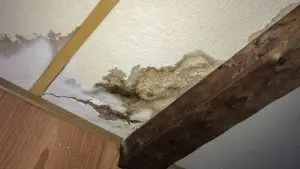
Wood framing readily absorbs moisture from a leak or flood event, and once saturated, it becomes vulnerable to rot and weakening that can compromise the structural stability of walls, floors, and ceilings over time.
Drywall loses its structural integrity quickly when exposed to water, swelling and crumbling as moisture breaks down its internal fibers, often requiring full replacement rather than simple drying once saturation reaches a certain point.
Water that reaches a home’s foundation can migrate through concrete over time, potentially leading to cracking, efflorescence, or weakened structural support if the moisture isn’t identified and addressed early in the process.
Professional water damage restoration in Seattle relies on a combination of equipment and technique to stop structural damage before it becomes severe. Each step targets a specific risk to the home’s underlying materials and support systems.
Industrial pumps and vacuums remove standing water from the property as quickly as possible, directly limiting how much moisture has the chance to reach wood framing, drywall, and other structural materials.
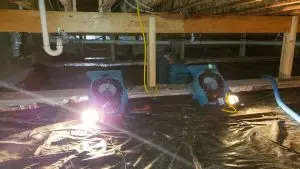
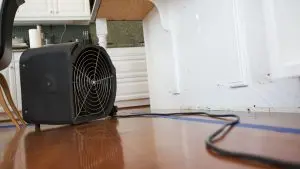
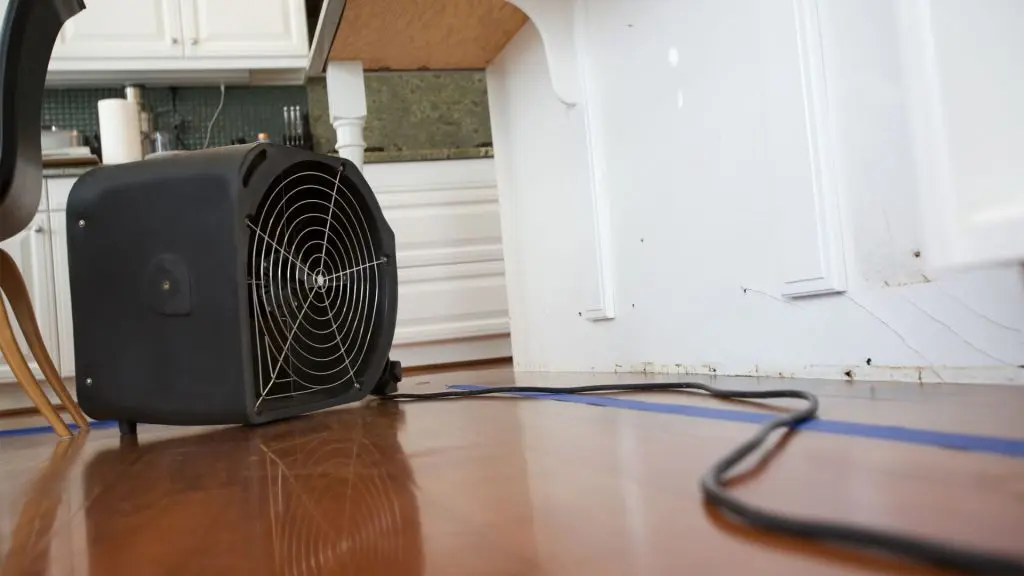
Commercial-grade air movers and dehumidifiers are positioned to pull residual moisture out of framing, subflooring, and wall cavities, preventing the rot and weakening that develop when these materials stay wet too long.
Infrared cameras and moisture meters locate hidden water inside structural elements that aren’t visible during a standard inspection, ensuring the restoration process addresses the full extent of the damage.
Antimicrobial treatments are applied to structural surfaces to inhibit mold growth while materials finish drying, protecting both the integrity of the structure and the indoor air quality of the home.
| Building Material | Effect of Water Damage | Professional Restoration Solution |
| Drywall | Swelling and deterioration | Drying or replacement |
| Hardwood Flooring | Warping and cupping | Moisture removal and restoration |
| Wood Framing | Rot and structural weakening | Structural drying |
| Insulation | Moisture retention | Removal and replacement if needed |
| Concrete | Moisture migration | Moisture monitoring and drying |
Addressing structural water damage correctly the first time protects a Seattle home’s value and prevents recurring problems down the road. Homes that receive thorough professional restoration are far less likely to develop hidden mold, structural weakening, or lingering odors that resurface months later. This upfront investment in proper restoration also simplifies future real estate transactions, since unresolved water damage tends to surface again during a home inspection.
Seattle property owners rely on RW Restoration because structural damage requires specialized knowledge of how different building materials respond to moisture. Technicians trained in structural drying understand exactly how long framing or drywall can safely dry versus when replacement becomes necessary, a distinction that protects both the safety and the long-term value of a home.
Signs like sagging floors, cracking walls, or a persistent musty smell often indicate that water has reached structural materials and requires professional assessment.
It depends on the extent of saturation and how quickly drying begins; framing caught early can often be dried successfully, while severely rotted wood requires replacement.
Yes, unresolved structural water damage typically surfaces during a home inspection and can significantly affect resale value if not properly restored beforehand.
Structural drying usually takes three to seven days, though the timeline depends on how deeply moisture has penetrated the affected materials.
Structural water damage left unaddressed only grows more serious and more expensive to repair over time. RW Restoration provides professional water damage restoration in Seattle, WA that goes beyond surface-level cleanup, using moisture detection technology and structural drying techniques to protect your home’s framing, drywall, and foundation.
We assess exactly how deeply water has penetrated your home’s structure and apply the right combination of extraction, drying, and mold prevention to fully resolve the problem. Delaying structural restoration only increases the risk of long-term damage. Contact RW Restoration today to request professional water damage restoration in Seattle and protect the structural integrity of your home for years to come.