Basement flooding is a common problem that many homeowners face. It can cause serious damage to your property and create a stressful situation. Understanding how to deal with basement flooding and taking the right actions can save you a lot of trouble.
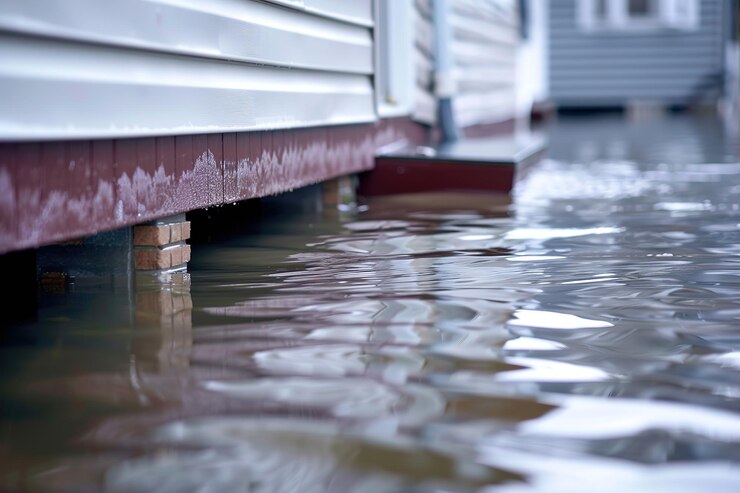
Flooding can happen for many reasons, including heavy rain, faulty drainage systems, or even a burst pipe. When water seeps into your basement, it doesn’t just ruin your belongings but can also harm the structure of your home. Besides, the damp environment can lead to mold growth, which is harmful to your health.
Taking immediate steps when your basement floods is crucial. But it’s equally important to think about long-term solutions to prevent it from happening again. Making some changes and investing in preventive measures can help you keep your basement dry and safe. In this article, we’ll explore the causes of basement flooding, what to do when it happens, and how to prevent future problems. Let’s get started on finding effective solutions to keep your home dry and secure.
Identifying Common Causes of Basement Flooding
Basement flooding can happen for various reasons, but some causes are more common than others. Understanding these causes helps you take preventive measures.
- Heavy Rain: One of the main causes of basement flooding is heavy rain. When rainwater gathers faster than it can drain, it can seep into your basement. This is especially common in homes with poor drainage systems or older properties with worn-out seals.
- Faulty Gutters and Downspouts: If gutters and downspouts are clogged or broken, they can’t direct water away from your home correctly. Water will accumulate around the foundation and eventually make its way into your basement.
- Poor Grading: The ground around your home should slope away to direct water away from the foundation. If the ground slopes towards your house, water will likely pool near the foundation and cause flooding.
- Broken Pipes or Appliances: Burst pipes, leaking water heaters, or malfunctioning washing machines can release large amounts of water into your basement. Regular maintenance of these systems can help you avoid unexpected flooding.
- Sump Pump Failure: A sump pump removes accumulated water from your basement. If the pump fails, it can lead to water buildup and flooding. Regular sump pump maintenance is crucial for preventing floods.
Recognizing these common causes allows you to take actions to safeguard your basement against flooding.
Immediate Actions to Take When Your Basement Floods
When your basement floods, acting quickly can reduce damage and make cleanup easier. Here are the immediate steps you should take if you find water in your basement:
- Ensure Safety First: Before you do anything, make sure it’s safe to enter the flooded area. Turn off electricity to avoid the risk of electrocution. If you can’t access the fuse box safely, call an electrician.
- Stop the Water Source: Identify where the water is coming from and try to stop it. If it’s a burst pipe, turn off the main water supply. If it’s rainwater, make sure your gutters and downspouts are clear.
- Remove Water: Use a wet/dry vacuum, sump pump, or mop to remove standing water. The quicker you get rid of the water, the less damage it will cause. You can also call professionals for help if the flooding is severe.
- Move Belongings to a Dry Area: Relocate furniture, electronics, and other valuables to a dry area to prevent further damage. If items are already wet, start drying them as soon as possible.
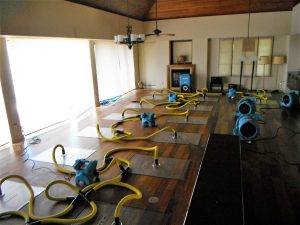
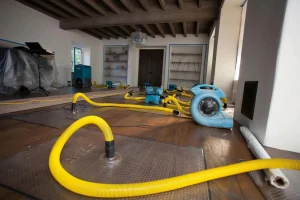
- Dry the Basement: Use fans, dehumidifiers, and open windows to dry the area. Mold can start growing within 24-48 hours, so it’s important to dry the basement quickly.
Taking these immediate actions can help you manage a flooded basement more effectively and reduce the damage.
Long-term Solutions to Prevent Future Flooding
Preventing future basement flooding requires some planning and investment in your home. Taking preventive measures can save you from the stress and cost of dealing with a flooded basement.
- Install a Sump Pump: A sump pump effectively removes water that accumulates in your basement. Ensure it’s in good working condition and consider installing a battery backup in case of power outages.
- Improve Drainage: Make sure your home’s drainage system is up to par. Clean gutters and downspouts regularly and ensure they direct water at least 10 feet away from your foundation. Installing a French drain can also help manage water around your home.
- Seal Cracks and Gaps: Inspect your basement walls and floor for any cracks or gaps. Use waterproof sealant to close these openings and prevent water from seeping in. You might want to consider consulting a professional for extensive repairs.
- Elevate Appliances and Utilities: Raise appliances, electrical outlets, and other utilities off the ground. Place them on higher platforms to keep them safe from minor flooding.
- Landscape Smartly: Ensure the ground around your home slopes away from your foundation. Create a swale or trench to direct water away and consider using plants that thrive in wet conditions to help absorb excess water.
Implementing these long-term solutions can greatly reduce the risk of basement flooding and keep your home safe and dry.
Restoration and Cleanup: What You Need to Know
After a basement flood, restoration and cleanup are essential to prevent further damage and health risks. Here’s what you need to do:
- Remove Water-Damaged Materials: Water-damaged items like carpets, drywall, and insulation should be removed and discarded. They can hold moisture and promote mold growth.
- Clean and Disinfect: Wash all surfaces with detergent and disinfect to kill lingering bacteria. Pay special attention to areas prone to mold growth. Use a mixture of water and bleach for effective disinfection.
- Dry the Area Thoroughly: Use dehumidifiers, fans, and open windows to circulate air and dry the basement. The faster you dry it, the less damage will occur. Keep the area ventilated to prevent mold.
- Inspect for Mold: Check for mold growth during and after the cleaning process. Mold can start growing within 24 to 48 hours. If you find mold, clean it up immediately or call a professional.
- Repair and Restore: Once the area is clean and dry, begin repairing and restoring your basement. Replace items removed during cleanup and seal any remaining cracks or gaps.
Following these steps ensures your basement is safe, clean, and ready to use again.
Conclusion
Dealing with basement flooding can be a hassle, but taking steps to prevent it can save you a lot of trouble. Understanding the common causes, knowing what to do immediately, and implementing long-term solutions help protect your home. Regular maintenance and quick action are essential for keeping your basement dry and safe.
If you’re facing frequent basement flooding or need help with cleanup and restoration, RW Restoration is here to assist you. Our team of experts specializes in water damage restoration and mold remediation to restore your home to its best condition. Contact RW Restoration today to ensure your basement stays dry and secure.