
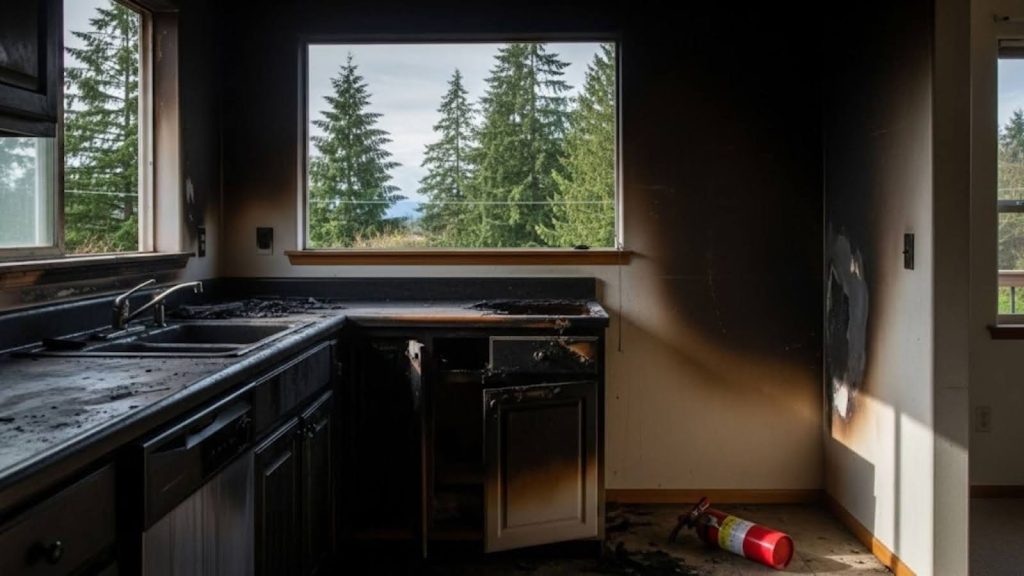
Homeowners in Washington State often find themselves overwhelmed when a fire breaks out on their property. Fire Damage Restoration specialists recommend swift action to minimize loss and safeguard structures. In those critical first hours, ensuring safety, documenting damage, and securing the scene sets the stage for a smoother recovery. Restoration experts know that early intervention dramatically reduces repair costs and prevents secondary issues like mold or structural collapse. By following a clear, organized approach, families and businesses can navigate the aftermath of a fire with greater confidence and control.
Within minutes of extinguishing flames, residents must confirm that every occupant and pet is safe and accounted for. Re-entering a fire-damaged building can expose people to hidden dangers like weakened floors, smoldering debris, and lingering smoke. Calling 911 remains the top priority if anyone requires medical attention for burns or smoke inhalation. Even when injuries seem minor, smoke particles can cause respiratory issues hours later. Restoring a sense of security begins by verifying well-being and seeking professional medical or firefighter clearance before setting foot back inside.
After safety is confirmed, contacting the local fire department to request a fire report helps streamline insurance claims. Firefighters provide an official document detailing the cause, severity, and affected zones of the blaze. This report serves as a foundational piece of evidence for insurers and restoration teams. Keeping a digital and printed copy of the report ensures that no crucial detail gets overlooked during discussions with adjusters. Promptly gathering this documentation reduces claim processing times and eliminates potential disputes over coverage.
Next, homeowners should reach out to their insurance provider to initiate the claims process. Insurers generally require notification within the first 24 hours of a fire to guarantee policy compliance. Detailed notes about the incident—such as the date, time, fire origin, and visible damage—expedite the adjuster’s initial inspection. While waiting for the adjuster’s visit, taking photographs and videos of every room and structural element affected by fire, smoke, or water is essential. These visuals serve as irrefutable proof of loss, aiding both the homeowner and the restoration company in developing an accurate scope of work.
Securing the property against further damage or unauthorized entry becomes the next urgent step. Exposed windows, doors, and roof sections leave the interior vulnerable to rain, wind, and potential vandalism. In such cases, deploying board-up services and tarping solutions prevents weather infiltration and theft of personal belongings. Licensed contractors can install plywood covers and industrial-grade tarps within hours of request, ensuring that the compromised structure remains protected. This initial safeguarding phase preserves the integrity of the building envelope until comprehensive repairs begin.
Finally, arranging temporary housing or workspace is often necessary, especially when structural stability remains uncertain. FEMA, American Red Cross, and local relief organizations provide emergency lodging assistance for displaced residents. Meanwhile, businesses can explore short-term office rentals or coworking spaces to keep operations running. Communicating these arrangements to the insurance adjuster guarantees that reimbursement for housing and business interruption falls under policy coverage. Taking these measures during the first 24 hours significantly reduces stress and accelerates the path to normalcy.
Fire Damage Restoration teams provide an immediate response that limits damage escalation and secondary hazards. Rapid mobilization of certified professionals ensures that vital steps—such as water extraction from firefighting efforts, smoke odor removal, and structural stabilization—are initiated without delay. Expert restorers use industry-leading protocols, following guidelines from the Institute of Inspection, Cleaning, and Restoration Certification (IICRC) and National Fire Protection Association (NFPA) standards. Their familiarity with local building codes and municipal regulations guarantees compliance throughout the restoration project.
Many property owners underestimate the impact of water used to extinguish flames. Standing water left in carpets, walls, and wood framing fosters mold growth within 24 to 48 hours. Restoration crews conduct moisture mapping using hygrometers and thermal imaging cameras, identifying hidden pockets of residual moisture. These modern technologies, combined with industrial fans and dehumidifiers, accelerate drying and avert fungal infestations. A professional mitigation team orchestrates this process seamlessly, integrating water removal into the broader fire restoration workflow.
Board-up services play a dual role in both security and structural integrity. Plywood sheathing and metal bracing shield vulnerable openings, preventing rain, snow, or debris from entering weakened sections. Simultaneously, specialists implement structural stabilization to shore up compromised beams, rafters, and load-bearing walls. Licensed structural engineers often collaborate to design temporary supports that maintain safety for occupants and workers. Without these critical measures, partial collapses or additional harm can prolong restoration timelines and drive up overall costs.
In addition to physical mitigation, seasoned restoration professionals coordinate with insurance adjusters and property managers on documentation and claims support. They compile comprehensive loss inventories, itemizing personal property and architectural elements damaged by fire, smoke, or water. This organized approach reduces claim disputes and expedites settlement disbursements. Trained adjuster liaisons facilitate direct communication between homeowners, insurers, and restoration crews to keep every stakeholder aligned on scope, schedule, and budget.
Finally, engaging Fire Damage Restoration experts early helps preserve irreplaceable items through content pack-out and salvage services. Artwork, heirlooms, electronics, and critical business documents can all undergo specialized cleaning and deodorization in climate-controlled facilities. Certified technicians use ultrasonic cleaners, HEPA-filtered air scrubbers, and ozone generators to neutralize odors and remove soot from salvageable materials. By rescuing valuable contents, this proactive content remediation saves property owners thousands of dollars and preserves cherished memories.
| Timeframe | Recommended Actions | Key Contacts |
| 0–2 hours | Ensure safety, call 911, obtain medical clearance, document inspection red tag | Fire Department, EMT services |
| 2–4 hours | Contact insurance, gather policy details, notify adjuster | Insurance Agent, Loss Adjuster |
| 4–8 hours | Photograph and video damage, secure scene with board-up services | Licensed Contractors |
| 8–12 hours | Arrange temporary housing or workspace, pack out high-value items | American Red Cross, FEMA |
| 12–24 hours | Deploy water extraction and drying equipment, begin soot and odor removal | Restoration Specialists |
Initial inspections focus on safety and structural soundness. Restoration technicians conduct a thorough walk-through, evaluating char depth, smoke patterns, and water intrusion. They employ thermal imaging cameras to detect hidden heat sources and moisture meters to measure dampness levels. This multi-modal assessment helps determine which zones require immediate stabilization and which can wait for full reconstruction.
Next, crews separate fire-damaged materials from salvageable contents. Unaffected furniture, electronics, and personal items undergo preliminary cleaning and deodorization. Restoration experts categorize contents into salvageable, non-salvageable, or questionable, guiding pack-out and relocation protocols. This triage ensures that valuable items receive specialized treatment in offsite remediation chambers.
The smoke and soot analysis follows, targeting both visible and dormant residues. Technicians use dry sponges, chemical sponges, and media blasting to remove soot from walls and ceilings. For delicate fabrics and upholstery, ultrasonic or dry-cleaning methods restore textiles without shrinking or discoloration. Air scrubbers with HEPA filtration capture airborne particulates, improving indoor air quality before occupants or workers re-enter.
Water damage from firefighting activities demands an equally rigorous process. High-capacity extractors remove pooled water, while industrial dehumidifiers reduce ambient humidity below 50 percent. Continuous monitoring of moisture content in structural lumber and drywall prevents secondary mold growth. Restoration teams maintain a log of drying progress, adjusting equipment placement and dehumidifier set-points to optimize air circulation and evaporation rates.
Safety assessment remains the first priority, ensuring no risk of collapse or electrical hazards. Next, immediate response teams secure gas and electrical utilities to mitigate fire reignition or shock hazards. Licensed electricians and plumbers handle meter shut-offs, fuse replacements, and gas valve closures in coordination with local utility companies. This utility management step prevents unforeseen incidents during restoration.
Board-up services safeguard the property envelope against weather exposure, theft, and animal intrusion. Plywood, steel braces, and tarps seal broken windows, damaged doors, and compromised roof segments. These temporary measures maintain interior conditions and prevent further deterioration until permanent repairs commence. In areas with heavy rainfall—such as Seattle and the Puget Sound region—tarping roofs within hours stops water infiltration that could ruin subflooring and cabinetry.
Structural stabilization takes precedence when load-bearing elements show visible warping, charring, or splitting. Engineers and restoration specialists design and install temporary shoring systems using adjustable steel props, wooden beams, and engineered struts. Shoring prevents walls or ceilings from sagging and allows safe access for cleanup crews. In commercial properties—warehouses, retail stores, and office buildings—this step ensures business continuity and compliance with OSHA regulations.
Smoke odor removal and particulate capture follow stabilization efforts. Industrial-grade air scrubbers and ozone generators nullify volatile organic compounds (VOCs) and smoke molecules. Technicians introduce hydroxyl radicals to oxidize malodorous compounds, restoring indoor air to pre-fire conditions. Blowers and negative air machines expel contaminated air outdoors, while HEPA filters trap soot and fine residues. This multi-stage filtration process eliminates health risks and odor migration into unaffected areas.
Promptly contacting the insurer activates the homeowner’s policy coverage for fire and water damage. Claims adjusters typically require an onsite evaluation within 24 to 48 hours of notification. Clear, organized photographs and videos of every damaged room, fixture, and personal item create a comprehensive record that supports claim validation. Maintaining a log of all communications—emails, phone calls, and letters—with the insurer helps track deadlines and decision milestones.
Engaging a public adjuster or restoration company with insurance liaison experience can streamline the negotiation process. These professionals understand policy verbiage—replacement cost, actual cash value, policy limits, and deductibles—and advocate on behalf of the homeowner. They compile itemized inventories, cost estimates, and contractor scopes of work aligned with market rates in Seattle, Spokane, and Tacoma. This expertise often results in more favorable settlements and accelerates fund disbursement.
Many insurers provide immediate relief advances to cover emergency mitigation expenses, such as board-up services, tarping, and water extraction. Homeowners should request these advances explicitly, ensuring that vendors receive payment upfront and restoration projects commence without cash-flow delays. Documenting all invoices and receipts aids in reconciliation once the final claim is settled. Early financial stability is crucial for selecting reputable contractors and securing high-quality materials.
Government disaster assistance programs may supplement insurance, especially when fires are declared federal emergencies. The Federal Emergency Management Agency (FEMA) offers grants for temporary lodging, home repairs, and critical needs. Local municipalities sometimes provide low-interest loans or grants through community development block grants (CDBG). Residents in rural counties—such as Skagit, Whatcom, and Clark—can explore state relief funds administered by the Washington State Emergency Management Division (EMD).
Thermal imaging cameras detect hidden hotspots and moisture pockets behind walls and under floors. These infrared devices help technicians identify residual embers that could reignite or concealed damp zones that harbor mold. Paired with moisture meters—pin and non-invasive models—they form the backbone of accurate structural assessments.
Industrial dehumidifiers and air movers accelerate drying of wood framing, drywall, and subfloors. Dehumidifiers pull water vapor from the air, while air movers direct airflow across wet surfaces. Technicians adjust dehumidifier settings based on dew point and relative humidity readings, ensuring optimal drying without over-drying fragile materials.
HEPA-filtered air scrubbers capture fine soot particles and airborne contaminants. By creating negative air pressure within the space, these machines prevent cross-contamination to unaffected zones. Ozone generators or hydroxyl machines further neutralize smoke odors by oxidizing odor-causing molecules. This combination of mechanical and chemical treatments restores air quality and eliminates persistent malodors.
Content restoration chambers employ ultrasonic cleaning, freeze-drying, and specialized solvents to salvage photographs, books, electronics, and heirlooms. In ultrasonic tanks, cavitation bubbles gently dislodge soot without damaging delicate surfaces. Freeze-drying removes moisture from water-soaked documents, preventing ink bleed and paper warping. These advanced methods recover priceless items that would otherwise face disposal.
Temporary power solutions—portable generators and battery-powered lighting—enable crews to continue operations when electrical service remains offline. Licensed electricians install transfer switches and secure circuits for dehumidifiers, air movers, and lighting. This integrates seamlessly with municipal grid restoration efforts and prioritizes health and safety for workers and residents.
Local families facing fire emergencies find comfort in RW Restoration WA’s 24/7 commitment to rapid response and compassionate service. By collaborating with municipal fire departments across King County, Pierce County, and Snohomish County, RW Restoration WA ensures that no homeowner waits longer than two hours for on-site mitigation. This networked approach facilitates efficient coordination with first responders and utility providers.
Clients often praise the company’s transparent communication and digital portal, which offers real-time updates, progress photos, and equipment logs. Every customer receives a dedicated project manager who guides them through each stage—inspection, remediation, reconstruction, and final walkthrough. This single-point contact eliminates confusion and accelerates decision-making for insurance approvals and contractor selections.
For property owners in rural areas—Chelan, Spokane, and Whatcom counties—RW Restoration WA maintains strategically located response vehicles and equipment caches. These trucks carry moisture meters, thermal cameras, dehumidifiers, and tarps, ensuring that remote communities receive the same high-quality service as urban centers. Partnerships with local hardware suppliers guarantee rapid replenishment of plywood, lumber, and industrial fans when demand spikes during wildfire season.
Beyond emergency response, RW Restoration WA invests in ongoing education for technicians through certifications from IICRC, NFPA, and OSHA. Continuous training on new restoration technologies—such as low-profile dehumidifiers and eco-friendly cleaning agents—keeps crews on the cutting edge. This dedication to professional development translates into faster drying times, superior odor removal, and enhanced structural stabilization for clients.
In the immediate aftermath of a fire, affected individuals can rely on Fire Damage Restoration experts who blend technical excellence with local insight. Every restoration plan honors Washington’s environmental regulations, waste disposal codes, and building permit requirements. From tribal lands around the Yakama Nation to historic districts in Tacoma, RW Restoration WA respects cultural heritage and historic preservation guidelines when recommending reconstruction strategies.
For homeowners and businesses ready to begin the recovery process, it is always advisable to Contact us directly through our 24/7 hotline. An experienced coordinator will verify the address, gather policy information, and dispatch a response team equipped for every scenario—from residential kitchen fires to large-scale warehouse conflagrations. Immediate action preserves assets, mitigates hidden damage, and delivers peace of mind during a challenging time.
In the critical first 24 hours following a fire, a structured plan of safety checks, documentation, emergency securing, and professional intervention makes all the difference. Engaging certified restoration teams ensures thorough mitigation of water, smoke, and structural damage while streamlining insurance and financial processes. By following these guidelines, communities across Washington can transition from crisis to recovery with confidence and clarity. For dependable, expert support in every phase of fire recovery, trust RW Restoration WA to restore safety, comfort, and value when it matters most.
Ideally, homeowners should contact a restoration specialist within the first two hours after firefighters leave the scene. Early engagement prevents secondary damage and accelerates the claims process.
Board-up services involve installing plywood, metal braces, and tarps to secure broken windows, doors, and roof openings. This step prevents weather intrusion, theft, and animal entry until permanent repairs commence.
Most homeowner policies include temporary living expenses or loss of use coverage. Policyholders should request immediate advance payments and retain receipts for all accommodation expenses.
Yes. Certified pack-out and content restoration services use ultrasonic cleaning, freeze-drying, and specialized solvents to salvage photographs, documents, electronics, and heirlooms whenever possible.


