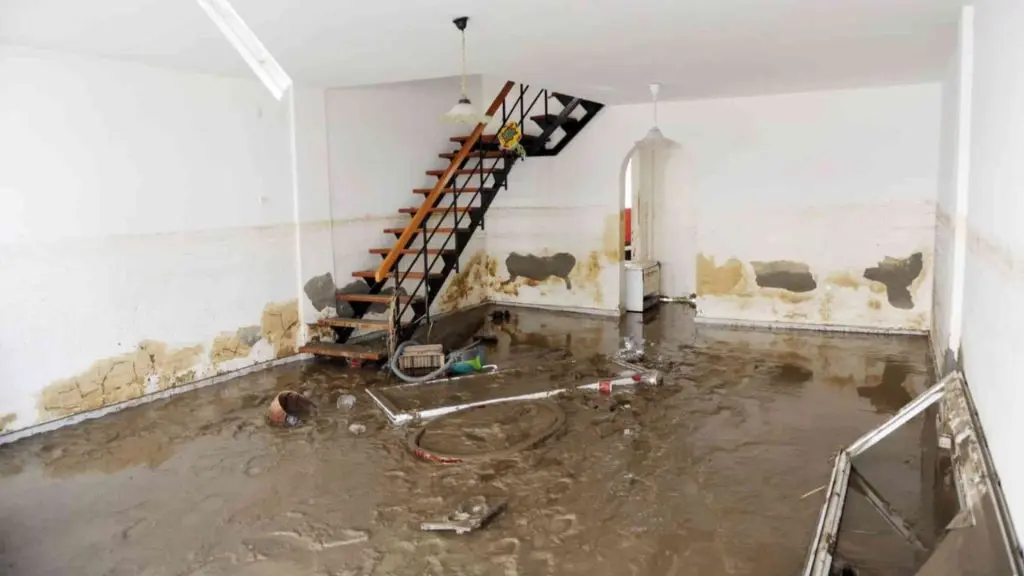
Dealing with a burst pipe or a flooded basement in your home is an overwhelming experience that often leaves residents wondering about the financial path to recovery. Homeowners are frequently concerned about whether their insurance policy will cover the necessary water damage restoration in Olympia WA, and if so, how much of the process is actually included. Understanding the intersection of your policy limits, the cause of the loss, and the requirements for professional mitigation is essential for navigating the aftermath of a property incident effectively.
When faced with water intrusion, clarity regarding your coverage is the first step toward restoring your home to its pre-loss condition. Most standard insurance policies are designed to handle sudden, accidental damage, but they often draw a firm line at maintenance-related issues. By understanding the specific landscape of insurance coverage, you can take informed steps to protect your property and simplify the claims process.
Most homeowners insurance policies differentiate between sudden, accidental water damage and damage resulting from gradual neglect or maintenance failures. Insurance companies generally cover incidents that are unforeseen and accidental, such as a supply line rupture in a kitchen or a failing water heater.
These events are categorized as covered perils, meaning that the damage they cause to your flooring, walls, and structural framing is typically eligible for reimbursement. If a pipe bursts in an older home in the South Capitol neighborhood or a fixture fails in a newer build near the Westside, your policy is intended to assist you with the costs of extraction, drying, and structural repairs.
However, the definition of accidental damage is narrow and specific. Coverage often depends on how quickly you respond to the water intrusion and your history of property upkeep.
The process of restoration is a technical endeavor that insurance adjusters evaluate based on industry standards for mitigation and drying. When you initiate water damage restoration in Olympia WA, the goal is to stabilize the environment to prevent further degradation, which is a process known as mitigation.
Insurance companies prioritize mitigation because it limits the total loss by preventing secondary damage like mold growth or structural rot. They expect policyholders to act immediately to prevent additional loss, which is why working with experienced local professionals is vital. These teams provide the necessary documentation that adjusters require to approve your claim for the restoration phase.
If you have experienced a recent water event and need professional guidance to ensure your documentation aligns with industry standards, you can contact us to speak with a local expert.
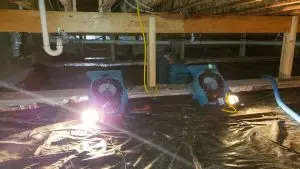
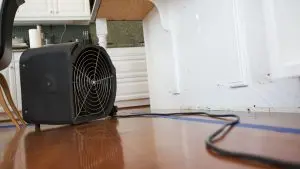
Mitigation involves water extraction, air mover installation, and dehumidification. Insurance providers view these services as essential to preserving the value of the structure. Providing them with proof that you acted swiftly can be the deciding factor in whether your claim is approved or subjected to scrutiny.
Adjusters rely on detailed reports that track moisture levels in wood, drywall, and subflooring. Because Olympia has a naturally humid climate, these daily logs are critical to prove that the property was actually dry before the equipment was removed. Without this professional level of reporting, insurance companies may challenge the necessity of the rental equipment or the labor hours billed.
It is helpful to view the recovery process as two distinct phases. Mitigation is the emergency response, while restoration is the long-term repair of the building. Understanding this difference helps you communicate more effectively with your insurance agent throughout the process.
Insurance coverage often treats these as separate line items. Your policy may cover the entirety of the mitigation process, while restoration might be subject to specific deductibles or policy limits depending on the age of the materials being replaced.
The Pacific Northwest presents unique challenges for insurance adjusters, particularly regarding the long-term effects of humidity. While a burst pipe is a clear-cut case for most insurers, the presence of pre-existing moisture or poor ventilation in a basement can complicate the investigation of your claim.
If the adjuster suspects that the damage was worsened by high humidity or inadequate ventilation in your home, they may attempt to limit the payout. This is common in neighborhoods near the waterfront or in low-lying areas where moisture control is naturally more difficult to maintain.
Preparing for a claim requires a systematic approach to ensure you have the best chance of a full recovery. Your documentation acts as the foundation of your claim, so maintaining a clear record is non-negotiable.
Take photos of the source of the water and every affected area in the room. Document the items that were damaged before they are removed from the premises, as you will need an inventory of these belongings for your personal property claim.
If possible, shut off the main water valve to stop the flow of water. If the water has reached electrical outlets or appliances, prioritize your safety and cut the power at the breaker panel before entering the room.
Keep a notebook detailing when you called your agent, the name of the representative you spoke with, and the claim number assigned to your case. This level of organization keeps you in control of the process and demonstrates that you are being diligent about your responsibilities as a policyholder.
| Damage Type | Potential Coverage Status | Typical Requirement |
| Burst Supply Pipe | Likely Covered | Proof of sudden failure |
| Sewage Backup | Optional Endorsement | Requires specific rider |
| Gradual Leak | Often Excluded | Evidence of maintenance failure |
| Exterior Flooding | NFIP Flood Policy | Federal flood insurance |
Not all water damage is created equal in the eyes of an insurance provider. It is vital to be aware of the common exclusions that can lead to a denial of a claim.
Most policies explicitly exclude damage caused by a lack of maintenance. For instance, if a roof has been leaking for months and you have not addressed it, the resulting interior water damage will likely be denied because the problem was foreseeable and avoidable.
Similarly, exterior flood damage is almost always excluded from standard homeowners policies. This is a critical distinction for residents in areas near the Deschutes River or other low-lying districts in the capital region. If you live in a flood-prone area, you must carry a separate policy through the National Flood Insurance Program to protect your home from rising surface water.
When the insurance adjuster visits your property, your goal is to present a professional, well-documented narrative of the event. Being prepared saves time and demonstrates that you have handled the situation with the care expected of a homeowner.
Adjusters are not your enemy, but they are bound by the terms of your policy. Your role is to provide the information necessary to show that your specific incident meets the criteria for coverage as defined in your contract.
In Olympia, managing humidity is a standard part of home maintenance. Insurance companies are aware of the local climate, and they look for evidence that a homeowner has taken basic steps to mitigate moisture.
If you have a basement, ensure that you are using a functioning dehumidifier and that your sump pump is tested regularly. Providing the adjuster with maintenance records for these devices can strengthen your position, as it proves that you were not negligent in your home’s care.
Mold is one of the most contentious topics in insurance claims. Many standard policies include a cap on the amount they will pay for mold remediation, even if the mold was caused by a covered water loss.
If water damage is not remediated quickly, mold spores can colonize in as little as 48 hours. Because of this, it is imperative to begin the drying process immediately. Once mold is present, the cost of the cleanup can escalate quickly, and the insurance company may only cover a fraction of the total cost if you waited too long to address the initial leak.
Navigating the financial and structural fallout of water damage is a complex process that demands both professional expertise and careful documentation. By understanding the distinction between sudden events and maintenance failures, and by working with a team that knows how to document the mitigation process properly, you can significantly improve the chances of a successful outcome for your claim.
RW Restoration remains a trusted local service provider in the region, offering the technical knowledge and support necessary to guide you through these challenges. We understand that your home is your most valuable asset, and we are dedicated to helping you navigate the requirements for water damage restoration in Olympia WA with precision and care.
Not automatically. Most standard policies exclude sewer backups, so you must have a specific rider or endorsement added to your policy to be covered. Check your policy documents to see if you have this specific coverage.
The most common reason for denial is the classification of the damage as a maintenance issue rather than a sudden, accidental event. Claims related to long-term pipe corrosion or roof leaks that were ignored are frequently rejected by insurers.
You should notify your insurance company as soon as you identify the problem. Most policies require prompt notice, and the faster you report the incident, the sooner you can start the mitigation process, which helps satisfy your requirement to prevent further damage.
You have the right to choose your own restoration contractor. While insurance companies may have a preferred network, you are not obligated to use them. It is more important to choose a company that is experienced with the specific reporting and documentation requirements of your insurer.
While the age of your home does not explicitly dictate coverage, it can impact the adjuster’s assessment of how well you have maintained the property. Older homes in historic districts require diligent upkeep, and insurers may be more rigorous in verifying that a pipe burst was a true accident rather than a failure due to worn-out plumbing.