The areas of a Seattle home most vulnerable to water damage are the basement, the crawl space, and the attic, primarily due to the region’s high humidity and intense seasonal rainfall. In neighborhoods like Madison Valley or Midvale, which sit in lower-lying “bowl” geographies, basements are particularly susceptible to hydrostatic pressure pushing groundwater through foundation cracks. Meanwhile, homes in Northgate or West Seattle often face attic vulnerabilities where wind-driven rain penetrates aging roof shingles or condensation builds up due to poor ventilation. Addressing these vulnerabilities requires a specialized approach to water damage restoration that accounts for the Pacific Northwest’s unique environmental stressors, including saturated clay soils and high year-round moisture levels.
The most common causes of water damage in Seattle are heavy rainfall from atmospheric rivers, aging plumbing infrastructure, and poor exterior drainage. Because much of the city is built on clay-heavy soil, rainwater is absorbed slowly, leading to a rising water table that puts immense pressure on foundation walls. In older residential pockets like Queen Anne or Capitol Hill, internal plumbing leaks are also frequent culprits, as legacy galvanized pipes begin to corrode and fail behind walls.
Furthermore, the “Emerald City” is known for its dense tree canopy. While beautiful, falling leaves often clog gutters in neighborhoods like Laurelhurst, causing water to overflow and pool directly against the home’s siding and foundation. Common local triggers for water damage include:
Basement water damage issues in Seattle occur frequently because of the combination of hilly terrain and soil that retains moisture for extended periods. When the “Big Dark” sets in during the winter months, the soil becomes completely saturated, and gravity pulls that water toward the lowest point of your property—the basement. If your home in South Park or near Thornton Creek lacks a functioning sump pump or a perimeter French drain, that water will eventually find a path through even the smallest hairline cracks in the concrete.
This is not just a seasonal issue; the high water table in the Duwamish River valley means that some basements are constantly battling moisture through capillary action. Professional intervention is often necessary to install vapor barriers or internal drainage systems that can handle this constant moisture pressure. Local basements often exhibit these red flags:
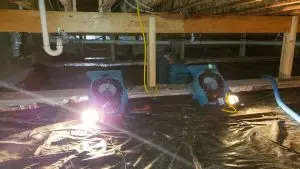
Crawl space moisture problems in Seattle can compromise your foundation by rotting the wooden support beams and attracting wood-destroying organisms. In many Seattle homes, the crawl space is an unventilated area where humid air from the Puget Sound becomes trapped. As this air cools, it condenses on the cold surfaces of your floor joists and plumbing pipes, leading to standing water that never has a chance to evaporate in our cool, damp climate.
Over time, this moisture softens the timber, causing floors to sag in your living areas. To prevent long-term structural failure, homeowners should reach out to a professional team for a comprehensive inspection of their subfloor environment to ensure the wood remains dry and stable. Effective crawl space management involves:
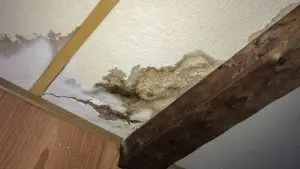
Attic leak repair services in Seattle must address both external water intrusion and internal condensation, as our winters create the perfect conditions for “attic rain.” This phenomenon occurs when warm, moist air from your home rises into a cold attic and freezes on the underside of the roof deck. When the sun finally hits the roof, this frost melts all at once, mimicking the appearance of a major roof leak even if the shingles are perfectly intact.
In waterfront areas like Magnolia or Shilshole, high winds can also push rain horizontally under the flashing or through soffit vents. Professional restoration experts must be able to distinguish between a structural roof failure and a ventilation issue. Key indicators of attic-specific issues include:
The washing machine and the dishwasher are the two appliances most likely to cause sudden, high-volume water damage in a Seattle residence. In high-density areas like South Lake Union or the Central District, an appliance failure can affect multiple units in a matter of minutes. Rubber hoses on older washing machines are particularly prone to bursting, releasing hundreds of gallons of water before the main shut-off valve is reached.
Refrigerators with ice makers are another common source of “slow” leaks. Regular maintenance and the installation of stainless steel braided hoses are essential preventative steps to avoid these internal disasters. Homeowners should monitor these areas regularly:
Seattle’s climate accelerates wood rot because the constant moisture and moderate temperatures provide the ideal environment for fungal growth. Wood rot, specifically “dry rot,” is a misnomer; it actually requires a moisture content of about 20% to flourish. In the Pacific Northwest, exterior wood surfaces like decks, siding, and window sills are often subjected to months of rain without a drying cycle, allowing the fungus to settle in and consume the cellulose that gives wood its strength.
Once rot begins in a structural element like a rim joist or a sill plate, it can spread rapidly through the rest of the frame. It is vital to contact an expert today to discuss preventative maintenance and restoration options if you notice any soft or discolored wood on the exterior of your property. Common rot locations include:
Preparing your roof for an atmospheric river involves more than just checking for missing shingles; it requires ensuring that the entire drainage system can handle a high volume of water in a short window. During a major storm, a typical Seattle roof can shed thousands of gallons of water. If the flashing around your chimney is compromised or your gutters are pulling away from the fascia, that water will find its way into your wall cavities rather than into the downspouts.
Roofs in the Pacific Northwest also deal with moss growth, which acts like a sponge, holding water against the shingles and preventing them from shedding rain. To prepare your roof, follow these steps:
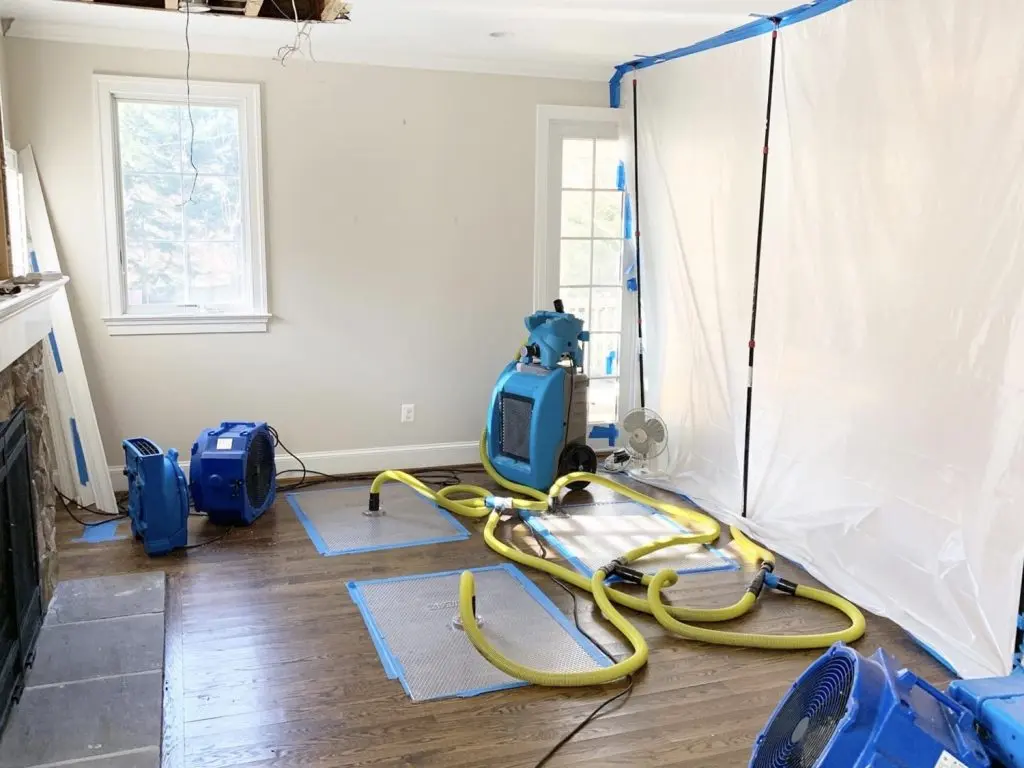
Immediate extraction is critical for Seattle basements because the longer water sits, the deeper it penetrates into the “hidden” areas of your home’s structure. In a flooded basement in Fremont or Ballard, water doesn’t just stay on the floor; it travels up the wall through capillary action, saturating the insulation and the wooden studs. Within 24 to 48 hours, mold spores that are naturally present in the air will begin to colonize these wet surfaces.
Furthermore, standing water in a basement can interact with electrical systems and gas lines, creating a significant safety hazard. For those dealing with significant intrusion, you should contact us to ensure that your basement is professionally dried to the industry “dry standard” before reconstruction begins. Professional extraction provides:
| Home Area | Primary Risk Factor | Common Signs of Damage |
| Basements | Hydrostatic Pressure / Clay Soil | Wall cracks, floor seepage, musty smells |
| Crawl Spaces | Condensation / Poor Ventilation | Sagging floors, damp insulation, rot |
| Attics | Wind-driven Rain / “Attic Rain” | Ceiling stains, wet insulation, moldy sheathing |
| Kitchens | Appliance Leaks / Aging Pipes | Warped cabinets, soft spots near sink |
| Bathrooms | High Humidity / Failed Caulking | Peeling paint, loose tiles, blackened grout |
Prevention starts with a thorough walk-around of your property to identify where water is traveling. Ensure that your downspout extensions are directing water at least six feet away from your foundation. In neighborhoods with steep hills, like West Seattle or Phinney Ridge, check that the grading of your yard hasn’t shifted, as soil erosion can cause water to flow toward your house instead of away from it.
Inside the home, consider installing smart leak detectors near your water heater and sump pump. Taking these proactive steps can significantly reduce your risk of needing emergency services during a major storm:
If you find a leak in your attic, your first priority is to contain the water and protect the ceilings below. Use a bucket to catch active drips and move any stored items out of the splash zone. If the insulation is saturated, it must be removed, as wet fiberglass or cellulose loses its R-value and becomes a primary site for mold growth.
Once the immediate threat is contained, you need to determine if the leak is coming through the roof or if it is a result of a broken bathroom exhaust fan venting directly into the attic space. To avoid further damage to your home’s interior, it is essential to reach out to a professional team for a comprehensive inspection of your attic’s ventilation and sealing. Follow this response protocol:
In Seattle, humidity is often the “silent” cause of water damage. Even without a major pipe burst, high indoor humidity levels, common in tightly sealed modern homes can lead to condensation on windows and exterior walls. This localized moisture often goes unnoticed until it has caused significant damage to the window frames or the drywall behind furniture.
Proper HVAC maintenance and the use of dehumidifiers in basements are key to managing this risk. Maintaining a relative humidity level between 30% and 50% is the ideal range to prevent the structural and health issues associated with the Pacific Northwest climate. To manage indoor humidity:
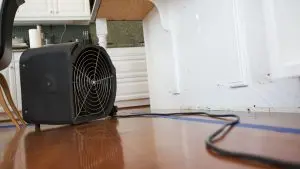
In the Seattle climate, a flooded basement will almost never dry on its own. The lack of airflow and high ambient humidity means that moisture will remain trapped in the concrete and wood indefinitely, leading to structural rot and severe mold growth. Professional drying equipment is required to force evaporation.
If you see standing water, damp soil, or hanging insulation, you have a crawl space moisture problem. Even if the water isn’t deep, the resulting water vapor travels upward through the “stack effect,” bringing mold spores and musty odors into your living areas and potentially damaging your subfloor.
Attic rain is the melting of frost that has accumulated on the underside of your roof due to poor ventilation and air leaks from your living space. To stop it, you must seal air leaks in your ceiling (like around recessed lights) and ensure your attic has proper intake and exhaust venting to keep the temperature consistent with the outdoors.
Yes. Low-lying areas near Thornton Creek, Longfellow Creek, and parts of South Park are more susceptible to urban flooding during intense rain. Additionally, homes built on the “flats” of Interbay or near the Duwamish River may experience higher groundwater issues compared to those on the ridges.
If the insulation is made of fiberglass or cellulose and has been saturated, it usually needs to be replaced. These materials pack down when wet, losing their insulating properties, and they are nearly impossible to dry completely once mold has begun to form within the fibers.
Understanding the vulnerabilities of your property is the first step in long-term preservation. Whether you are dealing with basement water damage issues in Seattle or a complex attic leak, the key to success is a fast and thorough response. The unique environmental pressures of the Puget Sound from the heavy winter rains to the persistent coastal humidity, demand a restoration partner who understands how these factors affect local building materials. By focusing on the most at-risk areas of your home, you can prevent minor moisture issues from evolving into expensive structural repairs.
RW Restoration stands as a leading provider for homeowners facing these exact challenges. As a trusted local service provider, we specialize in the technical drying processes required to save Seattle homes from the long-term effects of water intrusion. Our team offers a comprehensive solution to water damage restoration in Seattle, ensuring that your property is not just dry on the surface, but structurally sound for years to come. Whether you need emergency extraction or a detailed moisture assessment, RW Restoration is here to protect your most valuable asset from the elements.