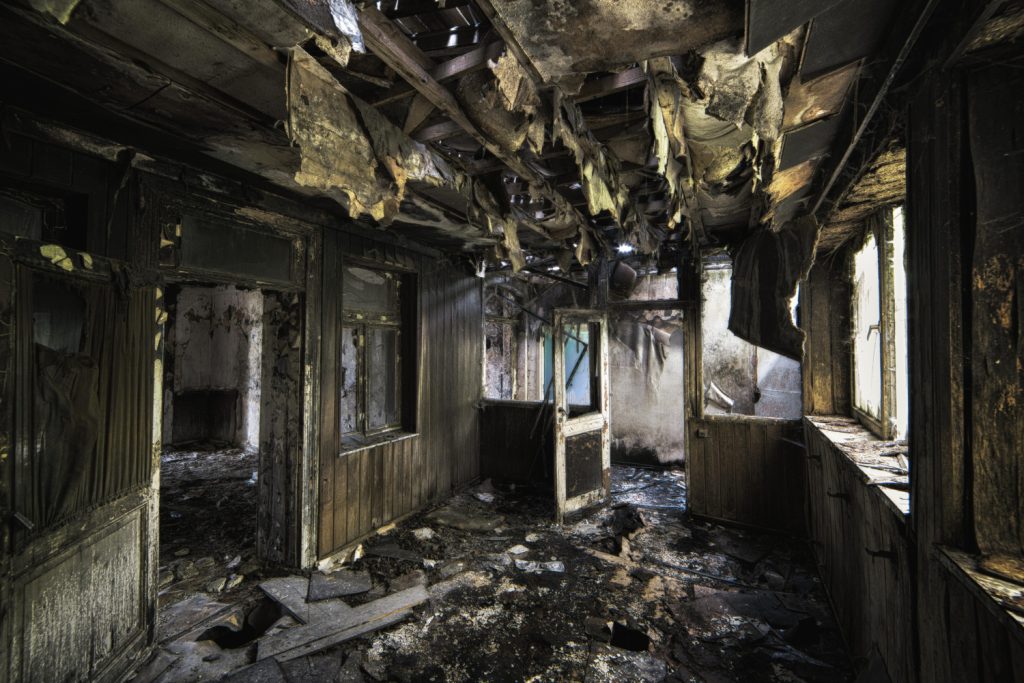
Experiencing a fire in your home can be a traumatic event, leaving you with damage to both your property and peace of mind. Acting quickly and effectively after the fire is extinguished is crucial in minimizing further damage and beginning the restoration process. Understanding the right steps to take ensures you can safely navigate the aftermath and start rebuilding your home.
Immediate safety precautions are paramount to protect yourself and your family. Fires can leave behind hidden dangers such as weakened structures and contaminated air. Once it’s safe to enter, you need to carefully evaluate the extent of the fire damage. This assessment will help determine what can be salvaged and guide your restoration efforts.
Cleaning and removing soot is a challenging but essential task to restore your home’s appearance and safety. Soot can cause additional damage if not properly cleaned, affecting surfaces and air quality. Finally, addressing the fire-damaged areas with effective restoration methods will bring your home back to its pre-fire condition, providing a fresh start for you and your loved ones. By following these steps, you can make a difficult situation more manageable and work towards a full recovery.
After a fire, prioritizing safety is crucial before you begin any restoration work. First, ensure that it is safe to re-enter your home. Fire-damaged structures can be unstable, and the air inside may contain harmful particles. Wait for the fire department to declare the area safe and follow their guidance closely.
Before you step inside, equip yourself with the necessary safety gear. Wear sturdy shoes, gloves, a dust mask, and protective clothing to safeguard against ash and soot. Turn off the main utilities – gas, electricity, and water – to prevent further hazards like gas leaks or electrical shocks. Avoid turning on any electrical appliances or lights until a professional has inspected the system.
Check for hidden dangers such as weakened floors, falling debris, and sharp objects. Mark unsafe areas with clear signs or tape to prevent accidental injuries. Ventilate the space by opening windows and doors to disperse smoke and airborne contaminants. Following these precautions helps ensure a safer environment for you to begin the cleanup and restoration process.
Once it’s safe, thoroughly evaluate the fire damage to determine the next steps. Start by assessing each room to understand the level of destruction. Take detailed notes and photographs of everything damaged or destroyed. This documentation is essential for insurance claims and will help speed up the recovery process.
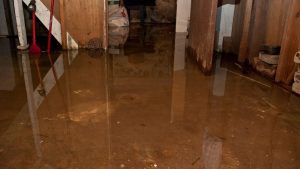
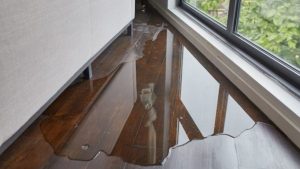
Focus on identifying structural damage first. Look for charred walls, burned ceilings, and weakened floors that may need immediate attention to prevent collapse. Pay special attention to the roof and foundation, as damage in these areas can affect the overall stability of the home. Document any water damage caused by firefighting efforts, as this will also need to be addressed to prevent mold growth.
Separate items into categories based on their condition: salvageable, possibly salvageable, and beyond repair. Items that are clearly destroyed or heavily damaged should be disposed of properly, while those that are salvageable can be set aside for cleaning and restoration. This organized approach helps you focus your efforts where they can be most effective, ensuring a more efficient and thorough recovery.
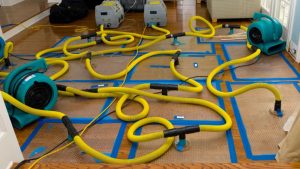
Soot can cause significant damage and health problems if not properly removed. Begin by ventilating the affected area. Open all windows and doors to allow fresh air to circulate. Set up fans to help move the smoke-filled air outside.
Start with dry-cleaning methods to remove loose soot. Use a vacuum with a HEPA filter to suck up soot particles from surfaces without spreading them. Be gentle to avoid embedding the soot into fabrics and other porous materials. Next, use dry-cleaning sponges to wipe surfaces; these sponges are specifically designed to lift soot without the need for water.
For stubborn soot stains, create a cleaning solution of one tablespoon of trisodium phosphate (TSP) mixed with one gallon of warm water. Wearing gloves, use a sponge or cloth to gently scrub the affected areas. Rinse the surfaces with clean water afterward and dry them thoroughly to prevent any mold growth. For fabrics and textiles, have them professionally cleaned to ensure all soot residues are removed. With these methods, you can effectively clean and restore surfaces marred by soot.
After cleaning, focus on restoring and renewing the damaged areas of your home. Start by repairing structural damage. This might involve replacing drywall, reinforcing beams, or repairing the roof and foundation. It’s important to use materials that match or enhance the original structure for a seamless restoration.
Next, assess the electrical system. Fires can cause significant electrical damage, so have a licensed electrician inspect and repair any issues. This step ensures the safety and functionality of your home’s electricity before you move back in.
Restore the home’s interior by repainting walls, replacing flooring, and installing new fixtures as needed. Choose paints that can cover stains and provide a fresh, clean appearance. For floors damaged by water or fire, consider replacing them with durable materials. Finally, return salvaged and cleaned belongings to their rightful places, ensuring everything is in good condition.
Dealing with the aftermath of a fire is challenging, but knowing the right steps can make the process more manageable. By taking the necessary safety precautions, evaluating the damage, effectively cleaning and removing soot, and restoring the fire-damaged areas, you can bring your home back to its former state. Each step requires careful attention to detail and a focus on safety and thoroughness.
Whether you are dealing with minor damage or extensive destruction, restoring your home is possible with the right approach. If you find yourself overwhelmed or in need of professional assistance, RW Restoration is here to help. We specialize in water and fire damage restoration for our clients in Washington. Contact RW Restoration today to start the journey of rebuilding and renewing your home with expert care. Your recovery is our priority.