
Understanding how local climate cycles impact your property is the first step in preventing a costly call for water damage restoration Issaquah. In our region, the risk of water intrusion shifts dramatically with the seasons, moving from the relentless hydrostatic pressure of winter rains to the rapid snowmelt of spring. While Issaquah is famous for its lush greenery and proximity to the Alps, those same geographic features create a unique “microclimate” that funnels moisture directly into crawlspaces and basements. Homeowners who ignore these seasonal shifts often find that a small, undetected leak in October becomes a major structural failure by January. By aligning your home maintenance with the specific weather patterns of the Pacific Northwest, you can protect your foundation and interior finishes from the cumulative effects of our high-moisture environment.
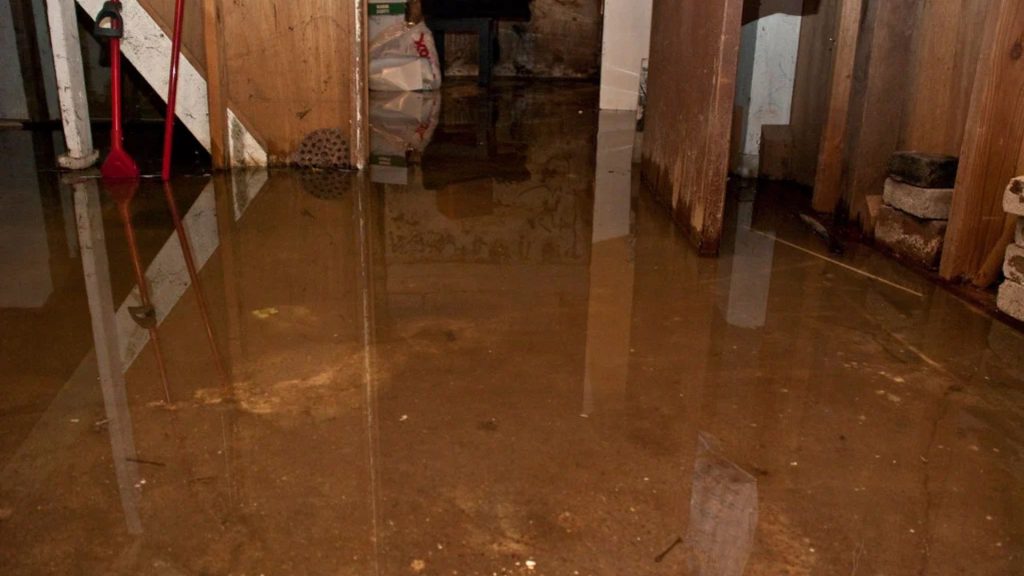
Yes, Issaquah’s high annual rainfall significantly increases basement flooding risk due to the buildup of hydrostatic pressure in the soil. When the ground becomes saturated during our long wet season, the water has nowhere to go but against your foundation walls. This pressure forces moisture through microscopic cracks in the concrete, a process often accelerated in neighborhoods near Issaquah Creek or low-lying areas in the Issaquah Valley.
For many local residents, the Issaquah rainfall water risk is most acute during “Atmospheric River” events, where several inches of rain fall in a single 24-hour period. These events can overwhelm local drainage systems and cause the water table to rise rapidly. Without a functioning sump pump and proper exterior grading, this rising groundwater can enter your home through the “cove joint” where your basement floor meets the wall. Professional monitoring of these moisture levels is essential to ensure that a damp basement doesn’t turn into a breeding ground for toxic mold.
The most common emergency restoration triggers Issaquah homeowners experience during the wet season include gutter overflows, sump pump failures, and roof leaks caused by wind-driven rain. As leaves fall in the autumn, they frequently clog drainage systems just as the heaviest precipitation begins. This causes water to back up under roofing shingles or spill over gutters directly onto the foundation, leading to immediate interior saturation.
A sudden failure of a primary mechanical defense, such as a sump pump, during a storm near the Issaquah Highlands can lead to several inches of standing water in a matter of hours. This is considered an emergency because Category 1 “clean” water quickly degrades into Category 3 “black water” when it mixes with soil or remains stagnant. Professionals are needed to extract this water rapidly and deploy industrial dehumidifiers to stabilize the environment before structural rot begins.
The transition from winter to spring creates a “freeze-thaw” cycle that is particularly damaging to Issaquah homes. When water trapped in small foundation cracks freezes, it expands, widening the gaps. As the weather warms and the snow on Tiger Mountain begins to melt, this “spring freshet” sends a surge of water toward the valley. This combination of structural vulnerabilities and increased water volume is a leading cause of wet season home damage in our area.
If you notice your basement walls feel cold and damp or see “efflorescence” (white, powdery salt deposits) on your foundation, you should contact our restoration experts for a professional assessment. These are early warning signs that the seasonal weather is beginning to compromise your home’s envelope.
Neighborhoods like Gilman Village and those situated along the banks of Issaquah Creek have a higher seasonal flood susceptibility Issaquah residents must account for. These areas are part of the natural floodplain, meaning the soil is often more alluvial and prone to shifting when saturated. Even homes built on the slopes of Squak Mountain face risks, as gravity-fed runoff can pool against uphill foundation walls if the yard’s “curtain drains” are not properly maintained.
To prevent long-term damage, homeowners in these high-risk zones should consider advanced waterproofing measures. If you have recently experienced a “near-miss” during a heavy rain event, it is wise to get in touch with our team to discuss preventative drying and moisture mapping. Catching a small intrusion now can prevent the need for total floor replacement later in the season.
Professional water damage restoration Issaquah utilizes specialized equipment designed to handle the extreme humidity levels common in the Pacific Northwest. While a household fan might dry the surface of a carpet, it does nothing to remove the deep moisture trapped in subfloors or wall cavities. Professionals use “closed-loop” drying systems that effectively turn your home into a controlled environment, independent of the soggy weather outside.
| Tool Name | Seasonal Application | Benefit for Homeowner |
| Thermal Cameras | Winter/Spring Leak Detection | Finds hidden leaks behind drywall without demolition |
| LGR Dehumidifiers | All Seasons | Removes moisture even in cold, damp Issaquah winters |
| Axial Air Movers | Post-Flood Drying | Prevents mold by accelerating evaporation from surfaces |
| Moisture Probes | Monthly Maintenance | Monitors saturation levels in “at-risk” crawlspaces |
Relying on these professional-grade tools ensures that your home reaches “dry standards” established by the IICRC. In a climate where the outdoor humidity rarely drops below 60% in the winter, specialized mechanical intervention is often the only way to achieve true structural dryness.
Yes. “Surface flooding” can occur anywhere that drainage is poor. During intense rain, street drains can become blocked by debris, causing water to back up into driveways and garages regardless of your proximity to a natural body of water.
This is usually caused by “rising damp” from the soil as the water table peaks after winter snowmelt. Without a high-quality vapor barrier and proper ventilation, this moisture rises into your floor joists, creating a musty odor and promoting wood decay.
Given the heavy tree canopy in neighborhoods like Sycamore and Montreux, gutters should be checked at least twice a year. Ideally, once in the late spring after the blossoms fall and once in late autumn after the leaves have dropped.
While Issaquah is milder than Eastern Washington, we do experience “Arctic blasts” that can drop temperatures below freezing for several days. Insulating pipes in unheated areas like crawlspaces and garages is a critical winterization step.
Do not attempt to scrub large areas of mold yourself, as this can release spores into the air. If you discover mold growth exceeding ten square feet, you should contact our restoration experts to discuss safe containment and professional remediation protocols.
The seasonal weather patterns of the Pacific Northwest are beautiful, but they demand a proactive approach to home maintenance. From the heavy Issaquah rainfall water risk in the winter to the shifting groundwater levels of spring, your property is under constant environmental pressure. Ignoring these cycles can lead to hidden structural damage that lowers your home’s value and compromises your family’s health.
When the weather turns and your home’s defenses are tested, RW Restoration stands ready to help. We are a trusted local service provider specializing in water damage restoration Issaquah, bringing years of experience to every project. Whether you need an emergency extraction during a storm or a detailed moisture inspection to prepare for the wet season, we provide the authoritative solutions you need to keep your home safe, dry, and resilient through every season.