
Fire safety awareness is crucial for protecting your home and family. Fires can start quickly and spread rapidly, causing extensive damage. Understanding common hazards and taking preventive steps can greatly reduce the risk of a fire in your home.
Many household items and practices can create fire hazards. Simple actions, like leaving a candle unattended or overloading an electrical outlet, can lead to a fire. Identifying these risks and making changes can help keep your home safe.
Preparation is key to minimizing fire risks. This means having the right safety tools and an emergency plan in place. It’s important to know how to respond quickly if a fire does break out. From smoke detectors to escape plans, every step can make a big difference in keeping your family safe.
By being aware of fire hazards and learning how to prevent them, you can create a safer environment in your home. The following sections will discuss common fire hazards, practical steps to improve fire safety, essential fire safety tools, and important actions during and after a fire. Stay informed and ready to protect your loved ones from the dangers of fire.
Understanding common fire hazards can help you prevent fires in your home. Several everyday items and situations can be potential fire risks.
1. Cooking Fires: Cooking equipment is a leading cause of home fires. Leaving the kitchen unattended while cooking, especially when frying or grilling, can result in a fire. Grease fires can start easily and spread quickly.
2. Heating Equipment: Space heaters, fireplaces, and wood stoves can be dangerous if not used correctly. Keeping them too close to flammable materials like curtains, furniture, or clothing can cause a fire.
3. Electrical Hazards: Overloaded electrical outlets and outdated wiring are significant fire risks. Using worn-out or damaged cords, and running cords under rugs, can also lead to fires.
4. Smoking Indoors: Smoking inside the home is a major fire hazard. Cigarettes that are not properly extinguished can ignite furniture, bedding, and other materials.
5. Candles: Candles left burning unattended can tip over and start a fire. Placing candles near flammable items or in areas where pets and children can knock them over adds to the risk.
By identifying these common hazards, you can take steps to reduce the risk of fire and keep your home safe.
Taking practical steps to improve fire safety in your home is essential. Here are some simple actions you can take to prevent fires:
1. Supervise Cooking: Always stay in the kitchen when cooking. Keep flammable items like towels and pot holders away from the stove. In case of a grease fire, cover the pan with a lid and turn off the heat—never use water to put out a grease fire.
2. Maintain Heating Equipment: Keep space heaters at least three feet away from flammable materials. Regularly inspect and clean fireplaces and chimneys to prevent build-up of flammable creosote.
3. Check Electrical Systems: Avoid overloading outlets with too many plugs. Replace damaged or worn-out cords and have an electrician inspect and upgrade outdated wiring. Use surge protectors to safeguard against electrical fires.
4. Smoke Outdoors: If you smoke, do it outside. Use deep, sturdy ashtrays and ensure cigarettes are fully extinguished before disposal. Never smoke in bed or when you are drowsy.
5. Candle Safety: Use flameless candles whenever possible. If you use traditional candles, never leave them unattended. Keep them away from flammable items and out of reach of children and pets.
6. Install Smoke Alarms: Place smoke alarms in every bedroom, outside each sleeping area, and on every level of your home. Test them monthly and replace batteries at least once a year.
7. Create an Escape Plan: Make an emergency escape plan with your family. Practice it regularly so everyone knows what to do in case of a fire. Identify two ways out of each room and a meeting point outside your home.
By following these practical steps, you can significantly reduce fire risks and improve safety in your home.
Having the right fire safety tools and equipment can help protect your home and family. These items can detect fires early, extinguish small fires, and ensure a safe escape.
1. Smoke Alarms: Smoke alarms are essential for detecting fires early. Install them in every bedroom, outside each sleeping area, and on every level of your home. Test smoke alarms monthly and change the batteries at least once a year.
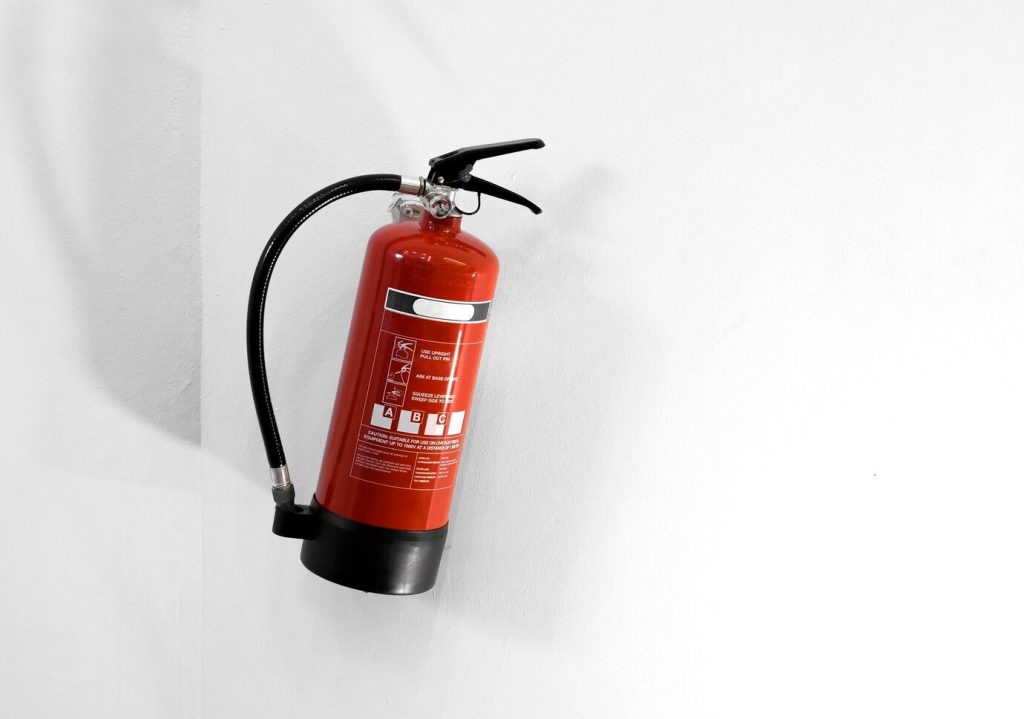
2. Fire Extinguishers: Keep fire extinguishers in key areas like the kitchen, garage, and near heating equipment. Learn how to use them properly. The acronym PASS – Pull, Aim, Squeeze, and Sweep – can help you remember the steps.
3. Carbon Monoxide Detectors: Carbon monoxide (CO) is an invisible, odorless gas that can be deadly. Place CO detectors near sleeping areas and on every level of your home. Test them regularly and replace batteries as needed.
4. Fire Escape Ladders: For homes with multiple levels, store fire escape ladders in bedrooms. Ensure everyone in the household knows how to use them in case of an emergency.
5. Fire Blankets: A fire blanket can help extinguish small fires or wrap around a person if their clothing catches fire. Keep one accessible in the kitchen and near fireplaces.
These tools and equipment are crucial for early detection, safe fire extinguishing, and secure evacuation. Regular maintenance and proper use of these items can significantly enhance your home’s fire safety.
Knowing how to act during and after a fire is essential for safety. Quick and correct actions can prevent injury and save lives.
– Stay Calm: Keep calm to think clearly and act swiftly.
– Alert Everyone: Yell “fire” and alert family members immediately.
– Follow Your Escape Plan: Use your pre-planned escape routes. Avoid elevators and use stairs.
– Stay Low: Smoke rises, so crawl low to the ground where the air is cleaner.
– Check Doors: Before opening a door, feel it with the back of your hand. Don’t open it if it’s hot.
– Use Escape Tools: Deploy fire escape ladders if needed. Know how to use them effectively.
– Call 911: Once outside, call 911 and stay away from the building.
– Seek Medical Attention: Check for injuries. Get medical help for burns, smoke inhalation, or shock.
– Stay Out: Do not re-enter the house until fire authorities say it’s safe.
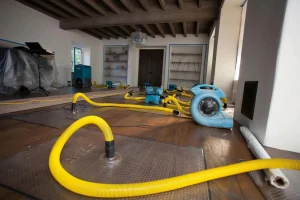
– Contact Professionals: After the fire is out, contact a professional restoration service to assess and repair the damage.
– Document Damage: Take photos and notes for insurance claims. Report the incident to your insurance company.
– Salvage Belongings: With safety gear, carefully retrieve valuable items if possible, but avoid touching damaged items without professional guidance.
– Seek Support: Fires can be traumatic. Seek help from community resources or counseling services if needed.
By knowing the correct actions to take during and after a fire, you can ensure your family’s safety and start the recovery process quickly and effectively.
Fire safety awareness and preparation are vital for protecting your home and family. By identifying common fire hazards, taking practical steps to improve safety, and having the right tools and equipment, you can greatly reduce the risk of fire. Additionally, knowing how to act during and after a fire ensures that you can respond effectively and safely.
Remember, being proactive about fire safety can save lives and minimize damage. Regularly review and practice your fire safety plans to ensure everyone in your home knows what to do in an emergency.
For fire damage restoration services, contact RW Restoration. Our team is ready to assist you in restoring your home and ensuring it is safe. Reach out to RW Restoration today to protect your home and loved ones from fire hazards.