Winter brings cozy fires and warm heaters, but it also increases the risk of fires at home. As we try to stay warm, we often use heating tools and appliances that can be dangerous if not handled right. Understanding these risks is key to keeping your home and family safe when the temperature drops.
Fire can start in many ways during the winter months. From faulty heaters to forgotten candles, the potential hazards are numerous. Identifying these hazards and knowing how to handle them can make a big difference. Taking simple precautions can help prevent accidents and keep fires from starting.
With a little attention and planning, you can enjoy a safe and worry-free winter. Preparing your home with the right tools and knowledge will ensure the safety of your loved ones. Let’s explore what you can do to protect your household from winter fire risks.
Understanding Winter Fire Hazards at Home
Winter fire hazards come in different forms, often linked to how we heat our homes. Understanding these hazards is essential to keep your family safe during the colder months. Let’s look at some common fire hazards you might face at home this winter.
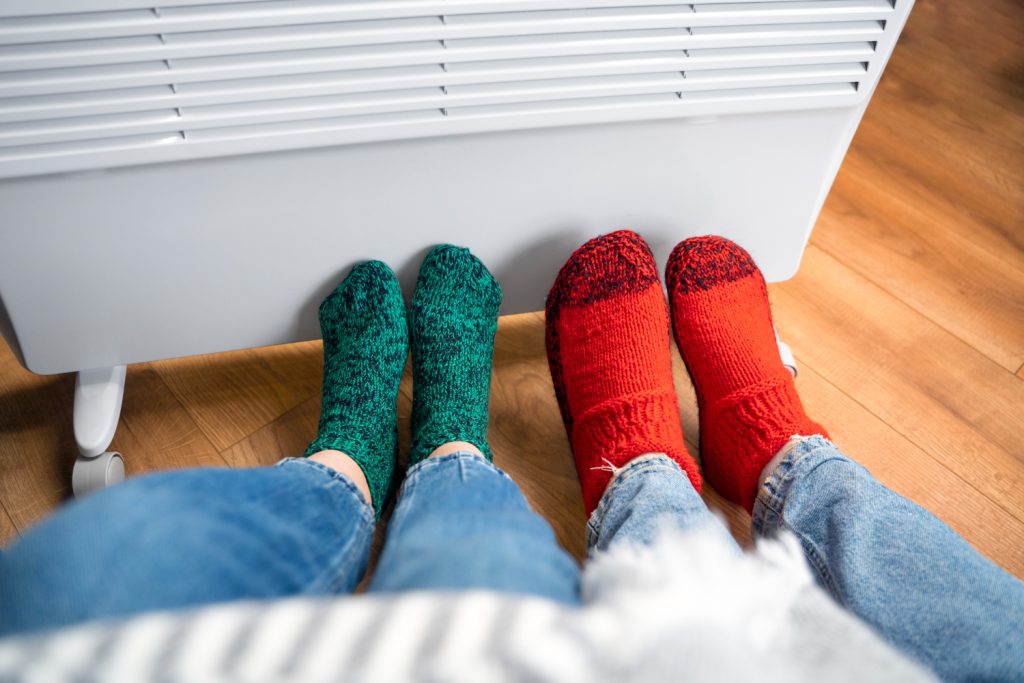
- Space Heaters: Portable heaters provide extra warmth but can be risky if not used right. Keep them at least three feet away from anything that can burn, like curtains or bedding. Never leave them unattended or on while you sleep.
- Fireplaces and Wood Stoves: These cozy heat sources can cause fires if not maintained properly. Make sure chimneys and flues are clean and have regular inspections. Always use a fire screen to prevent sparks from flying into the room.
- Candles: Candles add ambiance but they can easily tip over and start a fire. Keep them on stable surfaces and out of reach from pets and small children. Consider flameless candles as a safer option.
- Holiday Decorations: Lights and decorations can pose fire risks, especially if they are old or damaged. Check for frayed wires and never overload electrical outlets.
- Cooking: The holidays mean more cooking, and more cooking means higher fire risks in the kitchen. Stay attentive and never leave cooking food unattended. Keep flammable objects away from the stove.
By recognizing these winter fire hazards, you can take steps to prevent them and protect your home from unexpected fires.
Creating a Safer Home Environment
A safe home environment minimizes the risk of fire. By making a few changes and paying attention to safety practices, you can create a safer space for your family during the winter months. Here are some tips to help you do that:
- Install Smoke Alarms: Make sure smoke alarms are installed in every bedroom and on every floor of your home. Test them monthly to ensure they work properly.
- Use Carbon Monoxide Detectors: Carbon monoxide is an invisible danger in many homes. Install these detectors close to sleeping areas and check them regularly.
- Create a Safe Space for Heaters: Keep flammable items away from heating sources. Create a designated heater space free of clutter to prevent accidental fires.
- Limit Plugin Use: Avoid overloading electrical outlets. Use power strips with built-in circuit breakers and unplug devices when not in use.
- Regular Maintenance Checks: Have your heating equipment inspected by a professional at least once a year. This ensures everything operates safely and efficiently.
- Plan and Practice Safety Drills: Everyone should know what to do in case of a fire. Plan escape routes and practice fire drills regularly.
By following these steps, you can greatly reduce the risk of fire in your home during winter. Taking proactive measures makes your living space a safer place for everyone.
Essential Safety Equipment and Maintenance
Having the right safety equipment is vital to prevent fires and protect your home during winter. Regular maintenance ensures that this equipment works when you need it most. Here’s a checklist of essential items and maintenance tips to keep your home safe from fire hazards:
- Fire Extinguishers: Equip your home with fire extinguishers, especially in the kitchen and near heating sources. Make sure everyone knows how to use them and check their pressure gauges monthly.
- Smoke Alarms: Regularly test smoke alarms to ensure they are operational. Replace batteries at least once a year, and consider upgrading older models to newer, smart alarms for better safety.
- Carbon Monoxide Detectors: These detectors should be inspected regularly. Replace units according to the manufacturer’s guidelines to ensure accurate readings.
- Fire Blankets: Keep easy-to-use fire blankets in key areas of your home, such as the kitchen and near fireplaces. They can quickly extinguish small fires and prevent them from spreading.
- Heating Equipment: Have your heating systems, including furnaces and space heaters, inspected and maintained by professionals annually. This ensures efficiency and reduces fire risks linked to malfunctions.
- Chimney and Flue Safety: Clean chimneys and flues regularly to remove creosote and debris that could ignite. Professional cleaning is recommended at least once a year.
Efficient equipment and regular maintenance can significantly lower fire risks, providing peace of mind as you enjoy the warmth and comfort of winter.
Family Fire Safety Planning and Drills
Having a fire safety plan ensures your family knows what to do should a fire occur. Regular drills and clear planning can save lives by promoting quick and calm reactions in emergencies. Here’s how to build a solid fire safety plan:
- Create an Escape Plan: Draw up a floor plan of your home showing two ways out of each room. Make sure everyone is familiar with these routes, including windows as exits if necessary.
- Designate a Meeting Spot: Choose a safe place outside your home where everyone will gather after escaping. This ensures everyone is accounted for and helps rescue workers focus on those still needing help.
- Practice Fire Drills: Hold family drills at least twice a year. Make the drills realistic by varying the scenarios, such as practicing during different times of the day or using blocked pathways.
- Teach Kids Emergency Procedures: Educate children about the sound of the smoke alarm, how to crawl low under smoke, stop-drop-and-roll if clothes catch fire, and how to call emergency services.
- Inform Everyone About Safety Equipment: Ensure all family members, including kids, know where safety equipment like extinguishers and blankets are located. Demonstrate their use to everyone in the house.
- Review and Update Plans Regularly: Changes in the home, such as new furniture or room layouts, might alter escape routes. Regularly review and update the plan to accommodate these changes.
A well-practiced fire safety plan ensures your family’s readiness to deal with unexpected fires, minimizing panic and maximizing safety.
Conclusion:
Winter is a time of warmth and family joy, but it also brings unique fire risks. It’s crucial to understand potential hazards, equip your home with the right tools, and involve everyone in fire safety planning. Taking proactive steps to maintain safety equipment and rehearse emergency plans creates a robust shield against fire dangers. These efforts are not just about protecting property but ensuring the well-being of loved ones.
At RW Restoration, we understand the importance of keeping your home safe during winter. If you need advice or professional assistance with fire safety measures, our team is ready to help. We offer expert fire damage restoration services to ensure your home stays secure and prepared for winter fire challenges. Contact us today to see how we can support your safety efforts.