Mold is a type of fungus that can grow indoors and outdoors. It thrives in damp, warm environments and can cause serious problems if not addressed. Understanding how mold forms and where it commonly appears can help you protect your home and health.
Mold can start growing in less than 48 hours in damp areas. It spreads through tiny spores that travel through the air. When these spores land on wet surfaces, they can start to grow and multiply. Leaky pipes, poor ventilation, and high humidity are common causes of mold in homes.
Knowing the common causes and warning signs of mold can help you keep your home mold-free. In this article, we will explain how to identify and deal with mold, ensuring a healthy living environment for you and your family.
Mold is a common problem in many homes. To prevent it, it’s important to understand how and why it forms. Mold grows best in warm, damp places with little airflow. Here are some common causes of mold in homes:
1. Leaky Roofs and Pipelines: Water can leak through damaged roofs and pipes, creating a perfect environment for mold. Even a small, undetected leak can lead to mold growth.
2. High Humidity: Humidity levels above 60% can provide enough moisture for mold to thrive. Areas like bathrooms, kitchens, and basements often have high humidity.
3. Condensation: Condensation on windows, walls, or pipes can create damp surfaces where mold can grow. This issue is common in homes with poor insulation or improper ventilation.
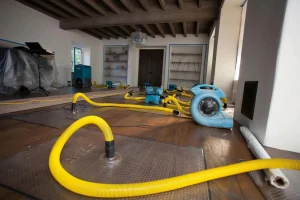
4. Flooding: After a flood, water may remain in hidden areas, like behind walls and under floors. If not dried out promptly, mold can develop in these spaces.
5. Poor Ventilation: Lack of airflow can trap moisture inside, making it hard for damp areas to dry out. Closed areas like attics, crawl spaces, and basements are especially prone to mold if they’re not ventilated properly.
Spotting mold early can prevent bigger problems down the line. Mold can appear in different forms and places around your home. Here are some physical signs to look for:
1. Visible Mold Growth: Mold often appears as black, green, white, or even pink spots on walls, ceilings, and floors. Check areas that are prone to moisture, like bathrooms, basements, and around windows.
2. Musty Odor: A strong, musty smell is a clear sign of mold. The odor is often more noticeable in closed, damp areas like closets or basements.
3. Water Stains: Yellowish or brown stains on walls, ceilings, or floors are signs of water damage. These stained areas are prime spots for mold growth.
4. Peeling or Bubbling Paint: When mold grows behind walls or under floors, it can cause the paint or wallpaper to peel or bubble. This is often a sign of moisture buildup, which can lead to mold.
5. Warped or Cracked Materials: Materials like wood or drywall that have been exposed to moisture may warp or crack. These changes can indicate a hidden mold problem.
Mold exposure can lead to various health issues, especially for people with allergies or respiratory problems. Recognizing these symptoms can help you take steps to address the problem.
1. Allergic Reactions: Mold can trigger allergies in many people. Common symptoms include sneezing, a runny or stuffy nose, itchy eyes, and skin rashes. These symptoms may worsen if you spend time in areas with mold.
2. Respiratory Issues: Breathing in mold spores can irritate your lungs. People with asthma or bronchitis may experience more frequent or severe attacks. Symptoms include coughing, wheezing, shortness of breath, and chest tightness.
3. Eye and Skin Irritation: Direct contact with mold can cause red, itchy eyes and irritated skin. Some people may develop hives or eczema from mold contact.
4. Fatigue and Headaches: Long-term exposure to mold can cause chronic fatigue and persistent headaches. Mold toxins can affect your nervous system, leading to confusion or memory issues.
Finding mold in your home can be concerning, but taking prompt action is key. Here are important steps to follow:
1. Protect Yourself: Before handling mold, wear protective gear. Use gloves, goggles, and an N95 mask to avoid direct contact with mold spores.
2. Identify the Source: Find out where the moisture is coming from. Fix any leaks or water issues right away. Without fixing the source, mold problems will continue to return.
3. Ventilate the Area: Open windows and use fans to increase airflow. This helps reduce humidity and dry out damp areas. Avoid using a fan directly on the mold, as it can spread spores.
4. Clean Small Areas: For small mold spots, scrub the area with water and detergent. Dry it completely. Avoid using bleach, as it can produce harmful fumes and may not remove mold completely.
5. Seek Professional Help: If the mold covers an area larger than 10 square feet, it’s best to call professionals. Mold specialists can safely and completely remove mold, ensuring it doesn’t return.
6. Prevent Future Mold: Keep humidity levels low (30-60%) in your home. Use a dehumidifier if needed. Regularly check areas prone to moisture and address any issues promptly.
Mold can cause significant damage to your home and health if left unaddressed. Understanding the common causes of mold, recognizing physical signs, and being aware of related health symptoms are crucial for preventing and dealing with mold problems.
When you discover mold in your home, taking immediate action is essential. Protecting yourself, identifying and fixing the moisture source, and cleaning affected areas can help control mold growth. For larger mold issues, seeking professional help ensures thorough and safe removal.
Taking these proactive steps can help maintain a healthy living environment for you and your family. Regularly inspecting your home and managing moisture levels can prevent mold from becoming a recurring problem.
For professional and affordable mold removal and restoration services, contact RW Restoration. Our expert team is dedicated to ensuring your home is mold-free and safe. Reach out to us today to restore your home and health.