
When living in the Seattle area, you’re no stranger to rain, but what happens when that rain begins to breach your home’s defenses and forces you to call for water damage restoration Seattle WA? In this article we’ll explore how Seattle’s rainy climate directly influences water intrusion, restoration efforts, and prevention strategies. From foundation drainage to sump pump installation, here’s what homeowners should know to protect their property year-round.
When you consider water damage restoration in Seattle WA, the first step is understanding the local climate. Seattle’s rainy season runs from October through April, bringing more than 150 rainy days each year. Consistent soil saturation increases hydrostatic pressure around homes, which raises the risk of foundation leaks and interior water damage. In this environment, even well-maintained homes face hidden moisture risks that can lead to long-term problems like mold, rot, and weakened structures.
Seattle’s climate affects every stage of the restoration process, from assessment to drying and prevention.
Many Seattle homes sit on slopes or in areas with dense, clay-based soil, meaning water can infiltrate from above, at ground level, or below the foundation. Restoration specialists must assess not just visible damage but also how rainfall and moisture move through the property, including yard grading, roof drainage, and soil runoff.
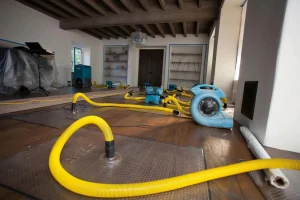
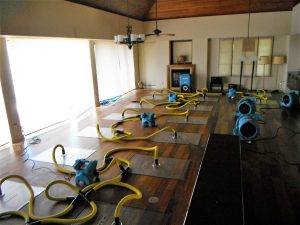
Once standing water is removed, the drying phase can be more challenging in Seattle’s humid environment. High indoor humidity slows evaporation, requiring professionals to use industrial-grade dehumidifiers and air movers for extended periods. They also take regular moisture readings to ensure that every surface, including crawl spaces and basements, reaches safe humidity levels before repairs begin.
Because Seattle’s constant rainfall can affect multiple systems at once—roofing, siding, and foundation—restoration work often includes strengthening weak areas, sealing cracks, and adding drainage systems. Professionals may also recommend sump pumps, vapor barriers, or waterproof membranes to prevent future water intrusion.
Prevention is crucial for Seattle homeowners. Keeping gutters clean, grading the yard properly, installing sump pumps, and maintaining drainage systems all reduce long-term risk. Routine inspections during and after the rainy season help catch small leaks before they turn into full restoration projects.
In basements or crawl spaces, a sump pump helps remove accumulated groundwater during heavy rain. Homes in low-lying areas of Seattle benefit from high-capacity sump pumps with backup systems to handle constant moisture. Regular testing before the rainy season ensures the system functions when needed.
Seattle’s saturated soil can create pressure against the foundation, leading to leaks or cracks. Proper yard grading directs water away from the structure, while French drains and interior drain tiles provide relief for excess groundwater. These systems are especially important in older homes that lack modern waterproofing.
Roof inspections and gutter maintenance are essential in Seattle’s climate. Clogged gutters cause overflow that seeps into walls and basements. Downspouts should extend at least five feet from the foundation. Waterproof coatings and sealed crawl spaces add another layer of defense against prolonged rainfall.
Indoor humidity management is just as important as exterior waterproofing. Dehumidifiers in basements, proper ventilation, and leak detection sensors can help control moisture levels and prevent mold growth. Maintaining a stable indoor environment minimizes the chance of long-term structural issues.
Seattle’s climate extends restoration timelines compared to drier regions.
High humidity slows evaporation, meaning materials like drywall, flooring, and framing take longer to dry. Restoration crews must use continuous monitoring and sometimes operate dehumidifiers for several extra days.
Rain-saturated soil and consistent dampness can allow water to travel unseen beneath floors or behind walls. Moisture meters and thermal imaging are essential to detect and address these hidden threats before they turn into mold problems.
In some cases, damage from prolonged rain requires more than surface repairs. Foundation reinforcement, drainage redesign, or insulation replacement may be needed to fully protect the property. Seattle’s wet conditions often require a more thorough restoration process than homes in drier climates.
| Common Seattle Challenge | Restoration and Prevention Response |
| Saturated soil causing foundation leaks | Install French drains, sump pump systems, regrade yard |
| High humidity slowing drying | Use industrial dehumidifiers, extend drying period |
| Frequent roof and gutter overflow | Clean gutters, inspect roofs, extend downspouts |
| Hidden water intrusion | Use moisture meters and infrared scanning |
| Older porous building materials | Apply waterproofing, replace damaged components |
When facing water damage restoration in Seattle WA, choosing a local restoration company is essential. Local experts understand the specific conditions of Seattle’s soil, weather patterns, and housing styles. They know how to manage long drying times, identify common leak sources, and design tailored waterproofing strategies for Seattle’s unique terrain.
Working with a local company also ensures faster response during emergencies and better long-term results, as they are familiar with regional regulations, materials, and weather-driven risks.
Homeowners can minimize future water damage by following simple maintenance steps:
For expert assistance in preparing your home for Seattle’s rainy season, visit RW Restoration or reach out through our contact page to schedule an inspection.
Q1: Does Seattle’s rainy climate increase the risk of water damage?
Yes, prolonged rain and saturated soil make Seattle homes more vulnerable to foundation leaks, roof failures, and water intrusion.
Q2: How can I prevent basement flooding during heavy rain?
Install a sump pump, maintain gutters and downspouts, and use French drains to redirect water away from your home.
Q3: How long does water damage restoration take in Seattle?
Due to humidity, the process can take several days longer than in drier regions. The timeline depends on damage severity and material type.
Q4: Are dehumidifiers necessary during the restoration process?
Yes, they are essential to reduce humidity levels and speed up drying, especially during Seattle’s rainy season.
Q5: How often should I inspect my drainage and waterproofing systems?
Inspections are recommended at least twice a year—before and after the rainy season—to ensure everything is functioning properly.
Seattle’s rainy weather can make water damage restoration in Seattle WA more challenging and time-consuming, but with the right strategies, your home can stay protected year-round. By focusing on foundation drainage, sump pump installation, and regular maintenance, homeowners can prevent costly damage before it starts. For complete restoration and waterproofing services in the Seattle area, trust RW Restoration. We specialize in helping Seattle homeowners overcome water damage challenges through fast, professional, and climate-adapted solutions.