
Winter floods can leave behind more than just water damage; they create a perfect environment for mold to flourish. Mold can start growing within just a few days of the water being in your home. If left unchecked, it can cause health problems for your family and further damage your property.
The cold and wet conditions of winter make mold prevention crucial after any flooding event. Acting fast is key to stopping mold in its tracks. Removing moisture quickly and cleaning thoroughly can help keep your home safe and healthy.
In this guide, we’ll explore effective strategies to tackle mold after winter floods. These steps will help you quickly get your home back to normal, ensuring it stays mold-free long after the waters recede. Understanding how mold works and knowing how to prevent it can save you a lot of hassle in the future.
During winter floods, water can seep into the smallest cracks and hidden corners of your home, creating an ideal environment for mold to thrive. Mold grows when moisture and organic materials, like wood or drywall, mix in the right conditions. These tiny spores are always around, but they become a problem when they start to grow indoors.
Mold spores need only a small amount of water to start growing. Winter floods provide an abundance of moisture, which can linger in the home even after visible water is removed. The dampness combined with cooler temperatures can slow evaporation rates, allowing mold to establish itself unnoticed. Mold growth often begins within 24 to 48 hours after the water incursion.
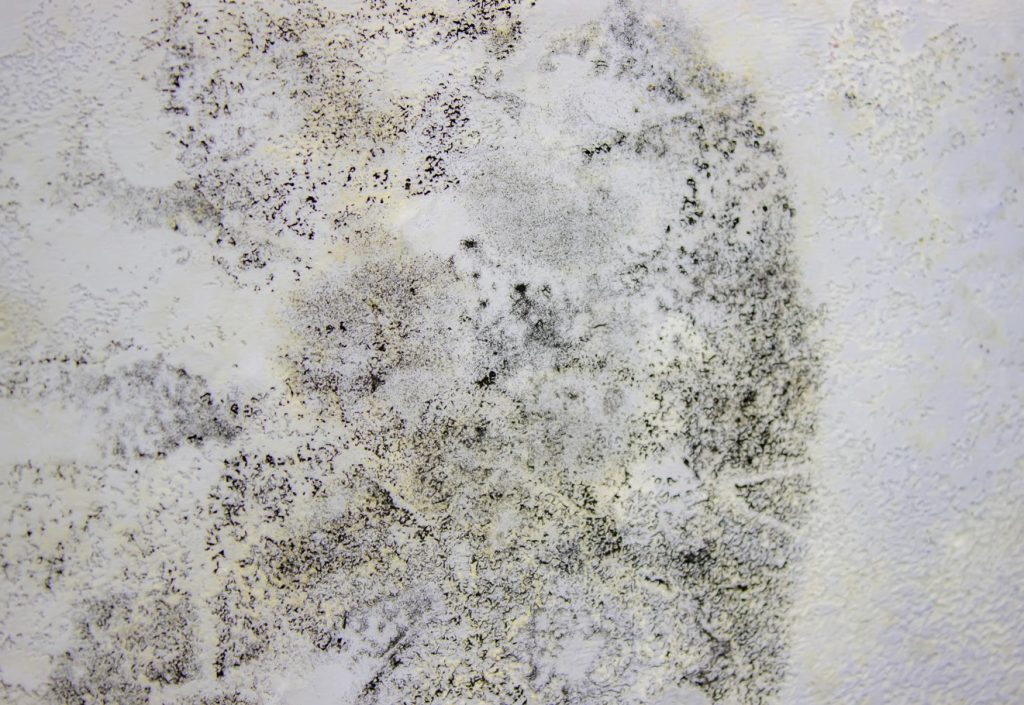
The presence of mold in your home can cause issues such as musty odors and discoloration on surfaces. More importantly, it can lead to health problems, especially for those with allergies or asthma. It’s crucial to recognize the early signs of mold, like a persistent musty smell or visible mold patches, and take immediate action to address them.
Learning how mold grows and why it flourishes after winter floods places you in a better position to effectively combat it. Knowing the enemy is the first step in winning the battle against mold in your home.
Stopping mold starts with quick action right after a flood. Immediate steps can help limit the growth of mold and protect your home. Here’s what you need to do right away:
1. Remove Standing Water: Use pumps and wet vacuums to clear standing water. Mops and towels can help soak up water from floors and surfaces.
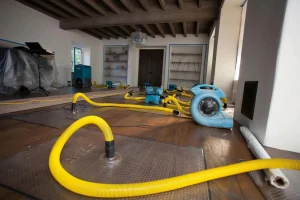
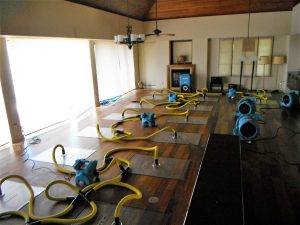
2. Ventilate the Area: Open windows and doors to allow fresh air to circulate. Use fans to help dry out rooms faster. More airflow reduces moisture buildup.
3. Use Dehumidifiers: These devices pull excess moisture from the air, lowering humidity levels and making it harder for mold to thrive.
4. Dispose of Damaged Materials: Remove water-damaged items that cannot be fully dried or cleaned, such as carpets, rugs, and upholstery. Mold can grow quickly in them.
5. Clean and Disinfect Surfaces: Wash hard surfaces with water and a mild detergent. Disinfectant solutions help kill existing mold spores and decrease the chance of future growth.
6. Check Hidden Areas: Inspect behind furniture, under carpets, and within wall cavities. These spots often harbor unnoticed moisture and mold.
Swift action prevents mold colonies from gaining a foothold. By following these immediate steps, you can significantly reduce the risk of mold spreading in your home after a winter flood.
Once you have tackled immediate mold concerns, focus on thorough cleaning and drying. This step prevents mold from re-establishing itself. Effective cleaning involves more than just washing surfaces; it’s about ensuring all moisture is eradicated.
1. Deep Clean Affected Areas: Use commercial mold removers or a mixture of water and vinegar for non-porous surfaces. For porous materials, consult professionals if they show mold signs, as they might need special attention.
2. Use Absorbent Materials Wisely: If you use materials like silica gel or moisture-absorbing beads, place them in damp areas to draw out moisture from hard-to-reach spots.
3. Ensure Proper Ventilation: Install exhaust fans in areas prone to dampness, such as bathrooms and kitchens. Keep them running to expel moist air outside your home.
4. Carefully Dry Furniture and Carpets: Use fans and dehumidifiers to dry large items thoroughly. If carpets remain damp after attempts to dry them, consider professional cleaning services.
5. Monitor Humidity Levels: Keep indoor humidity below 60% using a hygrometer. Adjust dehumidifiers accordingly if levels rise.
Effective cleaning and drying are crucial in stopping mold from coming back. These practices ensure all possible moisture sources are managed and controlled within your home.
Long-term mold control involves preparing your home to handle moisture before it becomes a problem. Once immediate threats are addressed, shift focus to strategies that prevent mold from gaining a foothold again.
Start by inspecting your home regularly for leaks, especially after heavy rain or floods. Fixing damaged roofs, pipes, and windows quickly reduces moisture intrusion risks. Seal cracks and crevices where water might seep in, and make basement inspections a routine. These areas are prone to hidden dampness.
Consider using mold-resistant products when renovating. These include special paints and drywall that deter mold growth. Also, improve your home’s drainage by ensuring gutters and downspouts direct water away from the foundation.
Invest in air purifiers with HEPA filters to reduce airborne mold spores. These filters help maintain air quality, particularly in closed spaces like basements and attics. Keeping the air clean minimizes the chance of spores settling and multiplying.
Regularly maintaining your HVAC system ensures it manages humidity effectively. Change filters as needed to aid mold control efforts. Long-term success against mold comes from continually evaluating and improving your home’s defenses against water and moisture.
Dealing with mold after winter floods can be challenging, but with a solid plan, you can protect your home and keep it safe from mold problems. Addressing the immediate aftermath by removing moisture and cleaning thoroughly sets the stage for a healthier home environment. Implementing smart long-term measures further safeguards against potential mold issues, offering peace of mind.
If you need expert help in tackling mold or water damage, RW Restoration is here to assist. Our skilled team specializes in addressing these concerns with effective solutions tailored to your needs. Contact our mold removal company today to discuss how we can help you maintain a mold-free home, ensuring it remains a safe haven for you and your family.