Basements can easily become a breeding ground for mold, especially during wet seasons. Their underground location and lack of sunlight create a damp environment that mold loves. Understanding how mold forms and spreads is important to keep your basement dry and mold-free.
Mold is not just unsightly—it can also harm your health and damage your home’s structure. The dark and damp nature of basements can make them more vulnerable to mold compared to other areas of your home. But, with the right prevention strategies, it’s possible to maintain a clean and healthy space.
Simple actions like improving ventilation, controlling moisture, and regular inspections can go a long way in avoiding the hassle of mold. These steps don’t just protect your basement—they keep your whole house safer and healthier. Let’s explore these tips to help prevent mold from causing problems in your basement.
Understanding Why Basements Are Prone to Mold
Basements provide the perfect setting for mold to flourish. Being underground, they often have cool, damp conditions with poor air circulation. This is a combination that mold spores find very inviting. In the winter season, when heating is less frequent downstairs, basements stay cooler and damper, creating an ideal climate for mold growth.
Several factors make basements prone to mold:
- Moisture Sources: Basements can be a hotspot for moisture. Rainwater seepage through foundation cracks, leaking pipes, or condensation build-up over time can create pools of water where mold thrives.
- Limited Sunlight: Natural light helps dry out spaces and prevent dampness. Basements, being below ground, receive little to no sunlight, which helps maintain the moist environment mold loves.
- Poor Ventilation: Without good airflow, damp, cold air is trapped, allowing mold to settle and grow. This is particularly true in basements with low ceilings or limited vents.
- Materials Used: Many basements have materials like wood, carpet, or drywall. When these absorb moisture, they become breeding grounds for mold and mildew.
Understanding these factors is the first step in combating mold in your basement. By addressing each of these issues proactively, you can create a space less inviting to mold, keeping your home and family safe.
Effective Ventilation Solutions for Basements
Improving ventilation in your basement is crucial to keeping mold at bay. Better airflow dries out damp areas and helps prevent mold spores from setting down roots. Let’s explore some simple and effective solutions to boost air circulation in your basement.
- Install Exhaust Fans: An exhaust fan can remove damp air and introduce fresh air into the basement. Place fans near potential moisture sources, like bathrooms or laundry areas.
- Open Windows if Possible: If your basement has windows, open them regularly to allow fresh air in. This simple act helps disrupt stagnant, moist air, reducing mold potential.
- Use Dehumidifiers: Dehumidifiers pull excess moisture from the air, lowering humidity levels. They are especially useful during the winter months when cold air holds less moisture.
- Consider Installing Air Vents: Adding more vents or expanding existing ones can help enhance airflow. Consult a professional to ensure optimal placement and effectiveness.
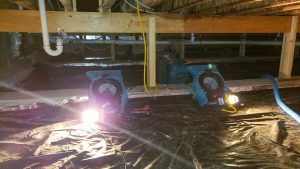
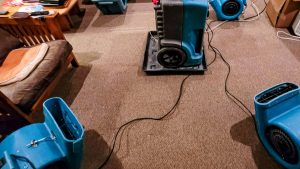
- Utilize Air Circulators: Portable air circulators can move air around, mixing cooler, damp air with warmer air to balance moisture levels.
- Regularly Inspect HVAC Systems: Make sure your heating, ventilation, and air conditioning systems are clean and working efficiently. Proper maintenance of these can significantly impact humidity control.
By implementing these ventilation strategies, you improve the air quality in your basement, reduce moisture, and keep mold growth under control. Consistent airflow is a key component of a healthy, mold-free environment.
Moisture Control Techniques to Prevent Mold
Controlling moisture in your basement is key to stopping mold from taking root. Mold needs moisture to grow, so keeping your basement dry is a powerful defense. Incorporate these practical techniques to manage moisture levels effectively.
- Seal Cracks and Leaks: Regularly inspect your basement for cracks in walls and floors. Use sealants to cover these gaps and prevent water from seeping in during rainy months.
- Repair Plumbing Issues Promptly: Leaking pipes or drippy faucets add unnecessary moisture. Fix these problems quickly to avoid creating a mold-friendly environment.
- Use a Sump Pump: If your basement is prone to flooding, a sump pump can remove excess water. Test it periodically to ensure it works properly.
- Install a Vapor Barrier: Consider adding a vapor barrier to limit the amount of moisture that can seep through walls and floors. It acts as a shield against humidity entering the space.
- Redirect Water Away from Foundation: Make sure rainwater drains away from your home. Clean gutters regularly and ensure downspouts direct water far from the foundation.
- Monitor Humidity Levels: Keep a humidity meter in your basement. Aim to maintain humidity levels at around 30-50% to discourage mold growth.
Employing these moisture control strategies helps you effectively manage the damp conditions that mold needs to thrive, offering long-lasting protection for your basement.
Regular Maintenance and Inspection Routines
Routine maintenance and inspections are essential in keeping mold out of your basement. Consistent checks mean you catch potential problems early before they become bigger issues. Here are steps to keep things in check:
- Schedule Regular Inspections: Inspect your basement every season, especially before winter. Look for signs of water damage or leaks to address them promptly.
- Check and Clean Gutters and Downspouts: Ensure gutters are clear and functioning. Regularly check that downspouts move water away from your foundation.
- Inspect HVAC Systems and Filters: Make sure your heating and cooling systems are working well. Clean or replace filters to maintain good air quality.
- Examine Sump Pump Functionality: Regularly test your sump pump. Ensure it efficiently removes any water to prevent flooding.
- Review Ventilation Fixtures: Check that all ventilation fixtures and exhaust fans are operational. Ensure they efficiently circulate air throughout the basement.
- Perform Visual Mold Checks: Look for signs of mold, such as discoloration on walls or a musty smell. Quick attention to these signs can prevent mold from spreading.
Maintaining these inspection routines helps keep mold risks at bay, providing a cleaner, healthier basement environment.
Conclusion:
Keeping your basement mold-free involves understanding what causes mold, improving ventilation, controlling moisture, and doing regular maintenance checks. These steps are simple yet effective in maintaining a healthy home. With diligence, you can create an environment that mold doesn’t like, protecting both your health and your home’s structure.
If mold issues have already started or you’re seeking expert advice on maintaining your basement, RW Restoration is here to help. Our specialized team offers solutions tailored to combat mold and moisture problems effectively. Contact us today to learn how our mold remediation in Seattle can help protect your space from mold and moisture challenges. Let us help you ensure your home stays safe and sound.