Winter can bring harsh weather conditions that pose a risk to your home. Snow, ice, and freezing temperatures can lead to water damage if you’re not prepared. Taking steps to prevent damage before it happens can save you time, money, and stress.
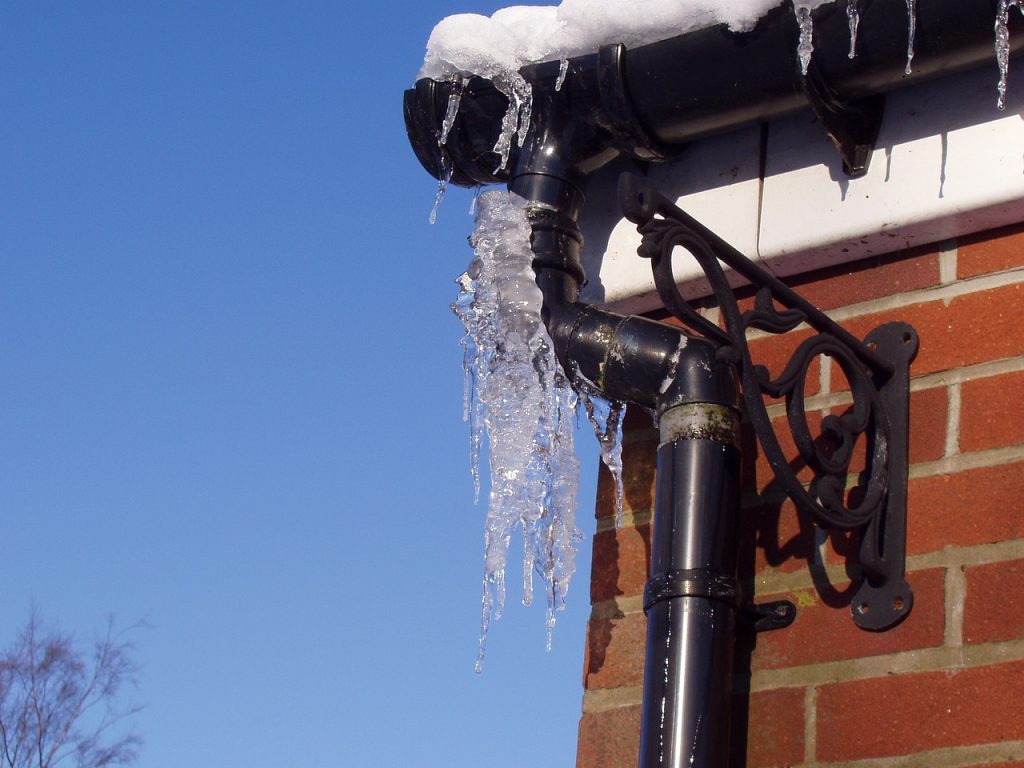
One of the biggest threats during winter is water damage from melting snow and bursting pipes. When snow accumulates on your roof or around your home, it can cause leaks and structural damage as it melts. Freezing temperatures can also cause pipes to burst, leading to flooding inside your home.
To protect your home from these risks, there are several important steps you can take. From inspecting your roof for damage to ensuring your pipes are insulated, these preventive measures are crucial. By keeping up with these tasks, you can enjoy peace of mind knowing your home is safeguarded against winter weather.
Your roof is your home’s first line of defense against winter weather. Regular inspections and maintenance are essential to prevent leaks and water damage. Here are some key steps to take:
1. Check for Damaged Shingles: Look for missing, cracked, or curling shingles. These can allow water to seep into your home. Replace any damaged shingles promptly to keep your roof intact.
2. Clean Your Gutters: Clogged gutters can cause water to back up and seep under your roof. Remove leaves, twigs, and other debris to ensure water flows freely away from your home.
3. Inspect Flashing: Flashing around chimneys, skylights, and vents can wear down over time. Check these areas for cracks or gaps and repair them to prevent leaks.
4. Trim Overhanging Branches: Snow and ice can weigh down tree branches, causing them to break and damage your roof. Trim branches away from your roof to avoid this problem.
By taking these steps, you can prevent leaks and other costly damage. A well-maintained roof ensures your home stays dry and safe throughout the winter.
Frozen pipes are a common issue during winter. When water inside the pipes freezes, it expands and can cause the pipes to burst. This can lead to severe flooding and water damage. Here are some ways to protect your pipes:
1. Insulate Pipes: Use pipe insulation or heat tape to keep pipes warm. Focus on pipes in unheated areas like basements, attics, and garages.
2. Keep a Drip: Let faucets drip slightly during extremely cold weather. This keeps water moving, reducing the chance of freezing.
3. Seal Cracks and Openings: Check for gaps around windows, doors, and where pipes enter your home. Seal these gaps to keep cold air out and warm air in.
4. Maintain Indoor Temperatures: Keep your thermostat set to the same temperature day and night. Avoid letting it drop below 55 degrees Fahrenheit, even if you’re not home.
By following these tips, you can prevent your pipes from freezing and bursting. Taking these precautions helps protect your home from significant water damage and costly repairs.
Proper drainage is essential to prevent water from accumulating around your home, which can seep into your foundation and cause damage. Here are key steps to ensure effective drainage:
1. Grade Your Yard: Make sure the ground around your house slopes away from the foundation. This helps direct water away and reduces the risk of it pooling near your home.
2. Install or Maintain Gutters and Downspouts: Gutters and downspouts should be clean and in good condition. Ensure that downspouts extend at least 5-10 feet away from your house to carry water away effectively.
3. Use a French Drain System: If your yard tends to collect water, consider installing a French drain. This system helps channel water away from problem areas and prevents soggy spots from forming.
4. Check Driveways and Walkways: Make sure there are no low spots where water can pool. Repair any cracks or holes that could allow water to seep below the surface and erode the ground.
By addressing drainage issues before winter, you can keep water away from your home and prevent it from causing damage. Effective drainage protects your foundation and reduces the risk of flooding.
Insulation is crucial in maintaining your home’s temperature and preventing water damage during winter. Proper insulation keeps pipes warm and reduces the risk of them freezing and bursting. Here’s how to make the most of insulation:
1. Insulate Pipes: Use foam pipe insulation or heat tape on exposed pipes in unheated areas like basements, attics, and crawl spaces. This prevents them from freezing when temperatures drop.
2. Seal Gaps and Cracks: Check for gaps around windows, doors, and where utilities enter your home. Use caulk or spray foam to seal these openings and keep warm air inside.
3. Insulate Attics and Walls: Ensure your attic and walls are properly insulated. This helps maintain a consistent indoor temperature and prevents ice dams from forming on your roof.
4. Use Weather Stripping: Apply weather stripping around doors and windows to prevent drafts. This not only helps with temperature control but also keeps moisture from seeping in.
5. Floor Insulation: Consider installing insulation in floors above unheated spaces like garages or crawl spaces. This keeps your living areas warmer and helps prevent pipes in these areas from freezing.
By properly insulating your home, you create a barrier against cold weather and reduce the chances of water damage. Insulation keeps your home warm and energy-efficient while safeguarding against winter-related issues.
Winter weather can be harsh on your home, but taking steps to prevent water damage can make a big difference. From inspecting your roof to ensuring proper drainage and insulating your pipes, these measures help protect your home from common winter issues. By staying proactive, you can avoid costly repairs and keep your home safe and secure.
Don’t let winter water damage catch you off guard. For expert help with water, fire, or mold damage repair, reach out to RW Restoration. Our team is here to restore your property and give you peace of mind. Contact our restoration experts today to learn more.