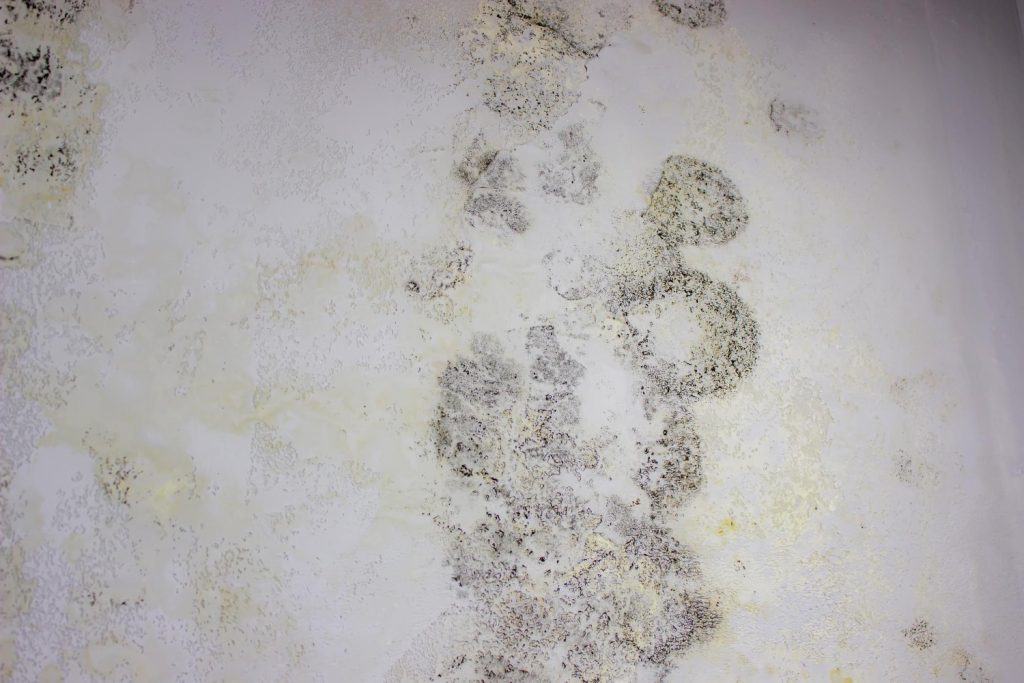
Mold is a common problem in many homes, but it can have serious health implications if left unchecked. Tiny mold spores can grow in damp areas of your house, spreading quickly and causing damage to both your property and your well-being. Understanding the dangers of mold exposure is the first step in keeping your home safe and healthy.
Mold exposure can lead to various health issues, including respiratory problems, allergies, and even more severe conditions for those with weakened immune systems. Knowing where mold commonly grows and taking preventative measures can help reduce these risks. Simple actions like fixing leaks promptly and ensuring proper ventilation can go a long way in preventing mold growth.
Addressing mold quickly and safely is crucial for maintaining a healthy living environment. It’s important to follow best practices for mold remediation to avoid exacerbating the problem. With the right knowledge and precautions, you can protect your home and family from the dangers of mold.
Mold exposure can lead to a range of health problems. People living in homes with mold may experience respiratory issues such as coughing, wheezing, and shortness of breath. Mold spores can irritate the lungs and cause difficulties, especially for individuals with asthma or other respiratory conditions. Long-term exposure can worsen these symptoms and lead to chronic health issues.
Allergic reactions are another common consequence of mold exposure. Symptoms can include sneezing, runny or stuffy nose, itchy eyes, and skin rashes. In some cases, mold can cause more severe reactions, particularly in people with a mold allergy or a weakened immune system. These individuals might experience fever, difficulty breathing, and lung infections.
In addition to respiratory and allergic reactions, mold exposure can also affect mental health. Some studies suggest that living in a moldy environment might be linked to mood swings, memory loss, and fatigue. It’s essential to recognize and address mold problems early to protect the physical and mental well-being of everyone in the household.
Mold thrives in damp, moist environments. One of the most common places for mold to grow is in bathrooms. The constant use of water and poor ventilation create an ideal condition for mold to develop on walls, ceilings, and grout lines. Ensuring that bathrooms are well-ventilated and cleaning regularly can help prevent mold growth in these areas.
Kitchens are another hotspot for mold. Leaky faucets, spills, and humidity from cooking can create moist environments where mold can flourish. Check under sinks, behind appliances, and around windows for signs of mold. Addressing leaks promptly and keeping surfaces dry can curb mold development.
Basements often have higher humidity levels, especially if they are not properly sealed. Water can seep through foundation cracks, leading to dampness that fosters mold growth. Regularly inspecting basements for water intrusion and using dehumidifiers can help keep the area dry and mold-free.
Lastly, mold can also be found in attics. Poor ventilation and roof leaks are common causes. Inspecting the attic for signs of mold, ensuring proper airflow, and fixing any roof damage can prevent mold from taking hold in this space. Keeping an eye on these common sources can significantly reduce the risk of mold in your home.
Preventing mold growth requires consistent effort, but simple steps can make a big difference. First, controlling moisture levels in your home is crucial. Use dehumidifiers in damp areas like basements and ensure good ventilation in bathrooms and kitchens. Keeping humidity levels below 60% helps reduce the chances of mold forming.
Regular maintenance and prompt repairs can also help prevent mold. Fix any leaks in roofs, walls, or plumbing as soon as they are detected. Even small leaks can lead to significant mold problems if left unchecked. Check the seals around windows and doors to ensure they are watertight. Cleaning and maintaining gutters can prevent water from seeping into the home’s foundation.
Regular cleaning is another key preventative measure. Clean and disinfect areas prone to moisture, such as bathrooms, regularly. Using mold-killing products in these areas can help keep mold at bay. Check and change air filters in your HVAC system to ensure good air quality and prevent mold spores from spreading throughout your home.
If mold is already present in your home, it’s essential to address it safely and effectively. Begin by wearing protective gear, such as gloves, masks, and goggles, to avoid direct contact with mold spores. Ensure the area is well-ventilated before starting the cleanup process to prevent the spread of spores.
Start by removing any porous materials that are heavily infested with mold, such as carpets, drywall, and insulation. These materials are often impossible to clean thoroughly and can retain mold spores even after treatment. Dispose of these items in sealed bags to prevent contamination.
For non-porous surfaces, use a mixture of water and detergent to scrub away mold. Avoid using bleach, as it can produce harmful fumes and may not effectively kill all mold spores. After cleaning, dry the area completely, as moisture can cause mold to reappear. Consider using air purifiers with HEPA filters to capture any remaining spores in the air.
Hiring professionals for extensive mold problems is often the best course of action. They have the expertise and equipment to handle severe infestations safely. This can prevent the mold from returning and ensure your home is safe and healthy.
Mold exposure is a serious issue that can significantly impact your home and health. By understanding the health risks associated with mold, identifying common sources, and taking preventative measures, you can protect your living space. Recognizing the signs of mold and addressing them promptly is crucial in preventing extensive damage and health problems.
Safe mold remediation practices are vital in ensuring that existing mold problems are handled efficiently. Whether tackling small areas yourself or calling in professionals, prioritizing safety and thoroughness will help you achieve the best results. Mold prevention and remediation are ongoing processes that require vigilance and action.
For expert help with mold problems, consider reaching out to us at RW Restoration. We have the expertise and tools to effectively restore your property and ensure a safe and healthy environment. Contact us today to learn more about our mold remediation services and how we can help you protect your home from mold dangers.