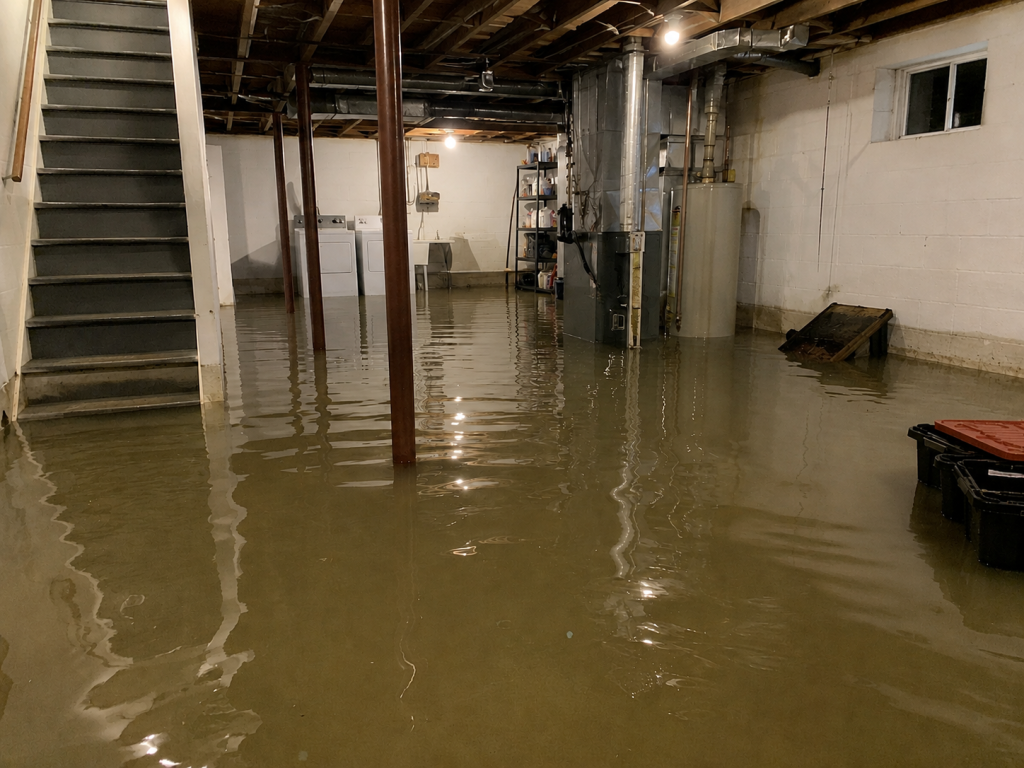
A flooded basement can quickly damage flooring, drywall, furniture, electrical systems, and the structural materials beneath your home. Whether the water comes from a burst pipe, heavy rainfall, foundation leak, appliance failure, or sewer backup, removing it quickly is essential.
An emergency basement water extraction service removes standing water, identifies hidden moisture, and begins structural drying before the damage spreads. The faster professional extraction begins, the better the chance of preventing extensive water damage repair and mold growth.
Because basements are located partly or completely below ground, they are especially vulnerable to water intrusion. Common causes include:
The source of the water affects how the basement should be handled. Clean water from a broken supply line requires a different cleanup process than contaminated water from a sewer backup or outdoor flooding.
Emergency water extraction is the process of removing standing or pooled water from a basement using professional equipment. However, extraction is only the first step in properly restoring the affected area.
A complete basement water damage restoration service may include:
Professional extraction equipment can remove water much more efficiently than household pumps, mops, or wet vacuums. This is especially important when water has spread underneath flooring, entered wall cavities, or saturated building materials.
Water does not remain confined to the visible puddle. It can travel through seams, cracks, and porous materials, spreading into areas that appear dry.
Without fast extraction, basement water damage may lead to:
Standing water also continues soaking into materials for as long as it remains in place. Removing it promptly limits further absorption and allows structural drying to begin sooner.
If you discover water in your basement, prioritize your safety before attempting to protect the property.
Do not enter the basement if standing water is near electrical outlets, appliances, extension cords, a furnace, or the electrical panel.
If you can safely turn off the basement’s power from a dry location, do so. Never walk through water to reach a breaker panel. Contact emergency services or an electrician if you are unsure whether the area is safe.
If the flooding comes from a burst pipe or leaking appliance, shut off the home’s main water supply if you can reach it safely.
Water entering through the foundation, a backed-up sewer line, or overwhelmed exterior drainage may require help from a plumber, utility provider, or restoration professional.
Prevent children, pets, and other household members from entering the basement. Even water that initially appears clean may contain contaminants after coming into contact with flooring, chemicals, stored materials, or sewage.
Do not enter water caused by:
Contaminated water requires protective equipment and professional cleaning procedures. Household gloves and rubber boots may not provide adequate protection.
Take photos or videos from a safe location for insurance purposes. Document the water source, affected rooms, damaged belongings, and approximate water depth.
Do not delay emergency extraction to complete extensive documentation. Water damage continues to spread while you wait.
Call a professional restoration company as soon as possible. Describe the source, approximate amount of water, affected materials, and any electrical or sewage concerns.
This information can help the restoration team prepare the appropriate equipment and safety procedures before arriving.
A small amount of clean water may sometimes be manageable with towels or a wet vacuum after the source has been stopped. However, professional help is recommended when:
Removing visible water does not mean the basement is dry. Moisture may remain inside drywall, insulation, framing, carpet padding, subfloors, and other concealed areas.
Household fans and dehumidifiers may not create enough airflow or moisture removal to dry a significantly affected basement. Improper drying can allow hidden damage to continue even after the floor appears dry.
The specific process depends on the amount and source of water, but emergency basement extraction generally follows several stages.
The restoration team first checks for electrical hazards, structural concerns, contaminated water, and other unsafe conditions. Moisture meters or thermal imaging may be used to determine how far the water has travelled.
Professional pumps and extraction units remove standing water from the basement. Different equipment may be used depending on the water depth, contamination level, and affected materials.
Materials that cannot be safely cleaned or structurally restored may need to be removed. These can include:
Removing damaged materials also allows trapped moisture inside wall cavities and beneath floors to escape.
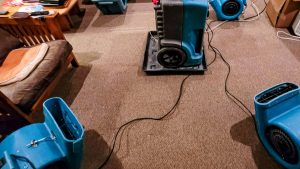
Commercial air movers and dehumidifiers are positioned to remove moisture from the structure and surrounding air. Equipment placement is adjusted based on the basement’s layout and the materials affected.
Restoration professionals take moisture readings throughout the drying process. This confirms whether materials are drying properly and helps determine when the basement has reached an acceptable moisture level.
Affected surfaces may require cleaning, sanitization, odour treatment, and antimicrobial products when appropriate. Once the basement is dry, damaged drywall, flooring, trim, and other materials can be repaired or reconstructed.
Standing water can often be extracted within several hours, although a large or continuously flooded basement may take longer. Structural drying commonly requires several days, depending on:
Drying equipment should not be removed based only on appearance. Moisture readings are needed to confirm that the structure has dried sufficiently.
Yes. Basements are already prone to humidity and limited airflow, making them particularly vulnerable to mold after water damage.
Mold growth may develop when drywall, wood, carpet, insulation, or stored belongings remain damp. Warning signs can include:
Fast extraction and controlled drying reduce the opportunity for mold to develop. If mold is already present, disturbing affected materials without proper containment may spread spores into other areas of the home.
Insurance coverage depends on the cause of the damage and the terms of your policy. Sudden and accidental events, such as a burst pipe or unexpected appliance failure, may be covered.
Standard homeowners policies may not cover:
Contact your insurer promptly and ask whether emergency mitigation can begin immediately. Keep photographs, moisture reports, invoices, and a list of damaged belongings to support your claim.
A flooded basement requires more than removing the water you can see. Moisture may spread beneath flooring, behind walls, and into structural materials, leading to mold, odours, and more expensive repairs if it is not addressed properly.
RW Restoration provides emergency water damage restoration in Seattle and throughout Western Washington. Its IICRC-certified team provides water extraction, moisture detection, structural drying, cleaning, sanitization, and reconstruction services for residential and commercial properties.
If your basement is flooded, avoid unsafe areas and contact RW Restoration for emergency assistance. Prompt professional extraction can limit the damage and begin the water damage repair process as quickly as possible.