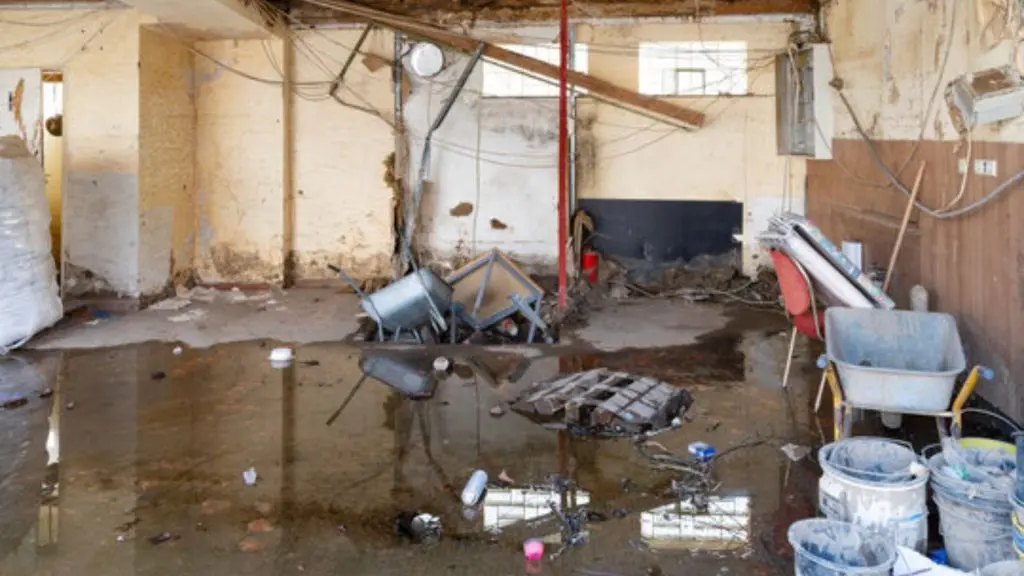
Finding standing water in your home is a stressful experience that requires immediate action to prevent long-term structural failure and mold growth. The very first thing an Issaquah homeowner should do is identify the source of the water and safely shut off the main water valve if the leak is coming from internal plumbing. Once the flow of water is stopped, your next priority is to turn off the electricity to the affected areas at the breaker box to eliminate the risk of electrocution. Taking these steps within the first minutes of discovery is the foundation of effective water damage restoration issaquah, ensuring that the property remains safe for occupants and professional technicians.
The immediate priority after discovering water intrusion is to ensure the safety of all residents and minimize further property loss. You must stop the source of the water immediately by turning off the main water supply line, typically located near the street or in a crawlspace. After the water is stopped, you should document the damage by taking clear photos and videos for your insurance claim before any cleanup begins.
Issaquah residents living near Squak Mountain or the Issaquah Highlands often face unique challenges, such as basement flooding during heavy Pacific Northwest rains. If you cannot stop the leak yourself or if the water is contaminated, you should evacuate the premises. Taking these emergency water damage steps Issaquah homeowners need most will help streamline the professional mitigation process that follows.
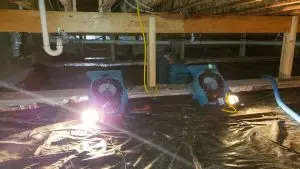
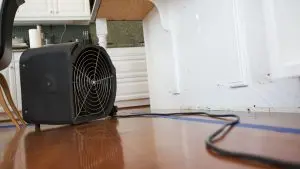
Treating water damage involves a systematic process of extraction, evaporation, and dehumidification. Professional restoration teams use industrial-grade submersible pumps and high-powered vacuums to remove standing water from flooring and subfloors. Following extraction, high-velocity air movers are strategically placed to pull moisture out of porous materials like drywall and wood framing.
Effective water damage restoration Issaquah requires specialized equipment that can monitor moisture levels behind walls. Because of the high humidity levels often found near Lake Sammamish, simple fans are rarely enough to prevent secondary damage. Professionals use moisture meters to ensure the structure has reached its dry standard before any reconstruction or cosmetic repairs begin.
The first actions you take should focus on stabilization and documentation. Once the area is safe and the water source is neutralized, you must contact your insurance provider to start a claim. While waiting for a professional team to arrive, you can move sensitive items like electronics, photographs, and heirloom furniture to a dry, climate-controlled part of the house.
It is helpful to provide a clear path for technicians when they arrive at your property near the Issaquah Salmon Hatchery or the historic Downtown area. Removing small rugs and clearing debris from hallways can speed up the setup of heavy extraction equipment. If you are unsure of the next steps, you can contact our restoration experts to receive professional guidance on how to manage the site safely.
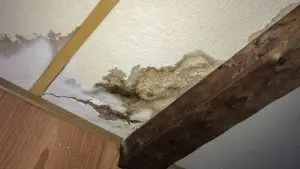
Drywall can often be saved if the water was clean (Category 1) and if the drying process begins within 24 to 48 hours of the initial soak. If the drywall remains saturated for longer or if the water contains contaminants, the structural integrity of the material is compromised, and it must be removed. In many Issaquah homes, “flood cuts” are performed, where the bottom two feet of drywall are removed to ensure the wall cavity and insulation are completely dry.
Mold spores can begin to colonize on damp surfaces in as little as 24 to 48 hours after a water event. In the moist climate of the Pacific Northwest, mold growth is the most common secondary issue following a leak. Stagnant air and high humidity levels in areas like Mirrormont or Sycamore can accelerate this process, making rapid dehumidification essential.
Professional water damage restoration issaquah includes applying antimicrobial agents to surfaces that were exposed to moisture. These solutions inhibit the growth of mold and bacteria while the structural drying process is underway. If you smell a musty odor or see dark spotting on walls, it is an indication that the window for simple drying has passed and mold remediation is now required.
Water mitigation is the immediate process of preventing further damage, while restoration is the subsequent phase of repairing or replacing what was lost. Mitigation includes water extraction, boarding up windows, and setting up drying equipment. Restoration involves the actual construction work, such as hanging new drywall, installing new hardwood floors, and painting.
| Phase | Primary Goal | Common Activities |
| Mitigation | Damage Control | Water extraction, dehumidification, demolition of wet materials |
| Restoration | Rebuilding | Drywall finishing, flooring installation, cabinetry repair, painting |
Most standard homeowners insurance policies cover water damage that is “sudden and accidental,” such as a burst pipe or a water heater failure. However, damage caused by lack of maintenance, such as a slow leak that has persisted for months, or damage from external flooding (rising groundwater), is typically excluded unless you have a separate flood insurance policy.
When dealing with a first actions after water intrusion scenario, it is vital to keep all receipts and logs of communication with contractors. In neighborhoods like Montreux or Talus, insurance adjusters will look for evidence that the homeowner took reasonable steps to “mitigate” the loss, which is why hiring a professional drying service is often a requirement of the policy.
Drying a basement requires more than just opening windows, especially in the Issaquah valley where outdoor humidity can be high. You must use a combination of pumping out standing water and using heavy-duty dehumidifiers to pull moisture from the concrete slab and foundation walls. If the basement is finished, the carpet and padding almost always need to be removed to prevent trapped moisture from rotting the subfloor.
If your home is located near the Eastgate area or along Issaquah Creek, you may be prone to higher water tables. In these cases, installing a sump pump is a recommended preventative measure. If you have questions about preventing future basement flooding, feel free to get in touch with our team for a consultation on basement waterproofing and emergency response plans.
The cost varies significantly based on the class of water (how much area is wet) and the category of water (how clean it is). Minor pipe leaks may cost a few thousand dollars, while major flooding involving sewage or long-term mold can reach tens of thousands. Most professional services work directly with insurance to handle billing.
No. In the state of Washington, homeowners have the right to choose any licensed and bonded contractor they prefer. While insurance companies provide a list of “preferred vendors,” you are free to hire a local expert who understands the specific building codes and environmental factors of the Issaquah area.
This depends on the extent of the damage and the noise level. Industrial air movers are quite loud and run 24/7. If the water damage is confined to one room, you can usually stay. However, if the kitchen or main bathrooms are affected, or if there is a risk of mold, it is often safer to relocate temporarily.
Category 3 water, also known as “black water,” is highly contaminated and contains pathogenic agents. Examples include sewage backups or rising water from rivers and streams like Issaquah Creek. This type of water requires specialized PPE and rigorous disinfection protocols.
Professional restoration technicians use specialized moisture meters and hygrometers to compare the moisture content of the affected materials against a “dry goal” (usually a reading from an unaffected part of the house). Only when these numbers align is the equipment removed.
Facing a water disaster is a race against the clock. By identifying the source, ensuring electrical safety, and beginning the extraction process immediately, you can save thousands of dollars in reconstruction costs. Navigating the complexities of moisture mapping and insurance documentation is difficult to do alone, which is why local expertise is invaluable for homeowners in the Pacific Northwest.
When you need reliable and efficient water damage restoration issaquah, RW Restoration is here to help. As a trusted local service provider, we understand the unique environmental challenges of the Issaquah community, from the rainy slopes of Tiger Mountain to the busy corridors of Gilman Blvd. We provide a comprehensive solution to your water problems, ensuring your home is returned to a safe, dry, and healthy condition.