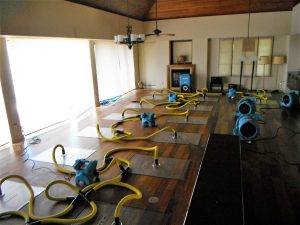

Fall rains can bring much-needed water for plants and cooler weather for us, but they can also bring unwanted problems for our homes—like leaky roofs. A leaky roof can lead to significant water damage, impacting your home’s structure and your possessions. Understanding how to manage and prevent these leaks is crucial for keeping your home safe and dry.
Knowing the causes of roof leaks and how to spot them early can save you from bigger headaches down the road. By taking some simple steps, you can protect your home during the rainy season and ensure your roof stays in good condition. In this article, we will explore common causes of roof leaks, how to identify warning signs, and what quick fixes and long-term solutions you can use to manage your roof effectively.
Roof leaks during the fall season can occur for several reasons. Knowing these causes helps in preventing issues before they start.
1. Falling Leaves and Debris: Leaves, twigs, and other debris can accumulate on your roof, clogging gutters and downspouts. When water can’t flow away from the roof properly, it backs up and can seep into your home.
2. Worn-Out Shingles: Over time, shingles can become cracked, loose, or missing. Damaged shingles expose the underlying layers of your roof to rain, increasing the risk of leaks.
3. Flashing Problems: Flashing is the material used to seal joints on your roof, especially around chimneys, vents, and skylights. If the flashing is damaged or improperly installed, it can allow water to penetrate these gaps.
4. Faulty Gutters: Gutters should guide water away from your roof and house. If they are clogged or broken, water can overflow and pool around the roof’s edge, leading to leaks.
5. Ice Damming: In colder regions, ice dams can form at the edge of your roof. These ice dams prevent water from draining properly. As a result, water can seep under the shingles and into your home.
Spotting the early warning signs of a leaky roof can save you from bigger problems. Here are some signs to look out for:
1. Water Stains on Ceilings and Walls: Brown or yellow stains are clear indicators of water damage. These stains often appear in corners or near windows and can point to a roof leak.
2. Dripping Water: If you see water dripping from the ceiling or walls, there’s a high chance of a roof leak. Even small drips should not be ignored.
3. Missing or Damaged Shingles: Regularly check your roof for shingles that are cracked, curled, or missing. These can allow water to penetrate the roof’s surface.
4. Moss or Mold Growth: Moss and mold grow in damp environments, so their presence on your roof or attic can indicate a moisture problem. Mold can also spread to your home’s interior, creating health issues.
5. Granules in Gutters: Asphalt shingles shed granules over time, especially when they are nearing the end of their life. Finding these granules in your gutters can signal that your roof is deteriorating.
6. Peeling Paint or Wallpaper: Inside your home, peeling paint or wallpaper can be a sign of moisture buildup. This often results from a roof leak allowing water to seep in and damage walls.
When you discover a roof leak, immediate action is crucial to minimize water damage. Here are some quick fixes you can implement:
1. Deploy a Tarp: Use a heavy-duty tarp to cover the leaky area. Secure it tightly with nails or screws and make sure it extends beyond the leak to provide a waterproof barrier.
2. Seal the Leak: If the source of the leak is small, apply roofing sealant or silicone caulk to the affected area. This can temporarily stop the water from entering and buy you time for a more permanent solution.
3. Clear Gutters and Downspouts: Remove leaves, twigs, and debris from gutters and downspouts to ensure proper water drainage. This helps prevent water from pooling on your roof and worsening the leak.
4. Use a Roof Patch: For minor leaks, a roof patch can be a quick fix. These patches can be applied directly to the leaking area and provide a temporary seal.
5. Move Belongings: Relocate furniture, electronics, and other valuables away from the leak and place buckets or containers to catch dripping water. This will help protect your possessions from water damage.
Long-term solutions are essential for maintaining your roof’s integrity and preventing future leaks. Regular maintenance and repairs also extend your roof’s lifespan. Here are some effective strategies:
1. Regular Inspections: Schedule roof inspections at least twice a year, especially before and after the rainy season. Professional inspections can identify issues that might be missed by an untrained eye.
2. Upgrade Roof Materials: Consider using higher-quality materials for your roof. Materials like metal or architectural shingles provide better durability and resistance against harsh weather conditions.
3. Improve Roof Ventilation: Proper ventilation helps regulate temperature and moisture levels in the attic. This reduces the likelihood of condensation and mold growth, which can weaken the roof structure.
4. Install Gutter Guards: Gutter guards prevent leaves and debris from clogging your gutters. This ensures effective water drainage and reduces the risk of water overflow and leaks.
5. Trim Overhanging Branches: Trees with branches that hang over your roof should be trimmed regularly. This prevents leaves from collecting on the roof and reduces the risk of branches damaging shingles during storms.
6. Replace Damaged Flashing: Ensure that the flashing around chimneys, vents, and skylights is in good condition. Replace any damaged or outdated flashing to prevent water from seeping through these areas.
7. Insulate Your Attic: Proper attic insulation helps keep your home’s temperature stable. This reduces the risk of ice dams forming in the winter, which can lead to leaks.
Managing leaky roofs during fall rains is vital for protecting your home from water damage. Immediate fixes, such as applying a tarp or using a roof patch, can help prevent further damage. However, the long-term health of your roof depends on regular inspections, using quality materials, and maintaining proper ventilation.
Protecting your home from water damage starts with a well-maintained roof. For expert assistance in managing leaky roofs and other restoration needs, contact RW Restoration. Our water damage restoration expert is dedicated to restoring and protecting your home. Reach out to us today for professional help and peace of mind.