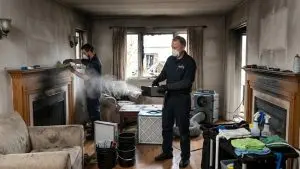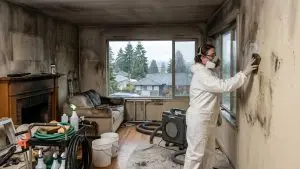
Two Seattle homes can experience what looks like a similar kitchen fire and end up with restoration bills that are nowhere close to each other. One might need a few days of cleaning and repainting, while the other requires new drywall, rewiring, and weeks of reconstruction. That gap is exactly why a single “average cost” number rarely tells a homeowner anything useful.
Fire restoration pricing depends on the size of the fire, how far smoke and water traveled, and what materials were affected, not a flat rate that applies to every property. This article breaks down the real factors that shape fire restoration costs in Seattle so you know what to expect and what questions to ask before agreeing to any estimate.
Fire restoration companies that publish a single average cost figure are usually estimating based on national data that has little to do with a specific home. The true cost of restoration comes from a detailed inspection of what was damaged, how deep the damage goes, and what it takes to bring the property back to a safe, livable condition.
Rather than relying on a generic number, it is more useful to understand the individual factors that drive pricing up or down. Once those are clear, a professional inspection can turn them into an accurate, property-specific estimate.
Several variables determine what a fire restoration project actually costs. Understanding each one helps explain why two seemingly similar fires can result in very different scopes of work.
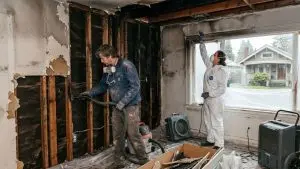
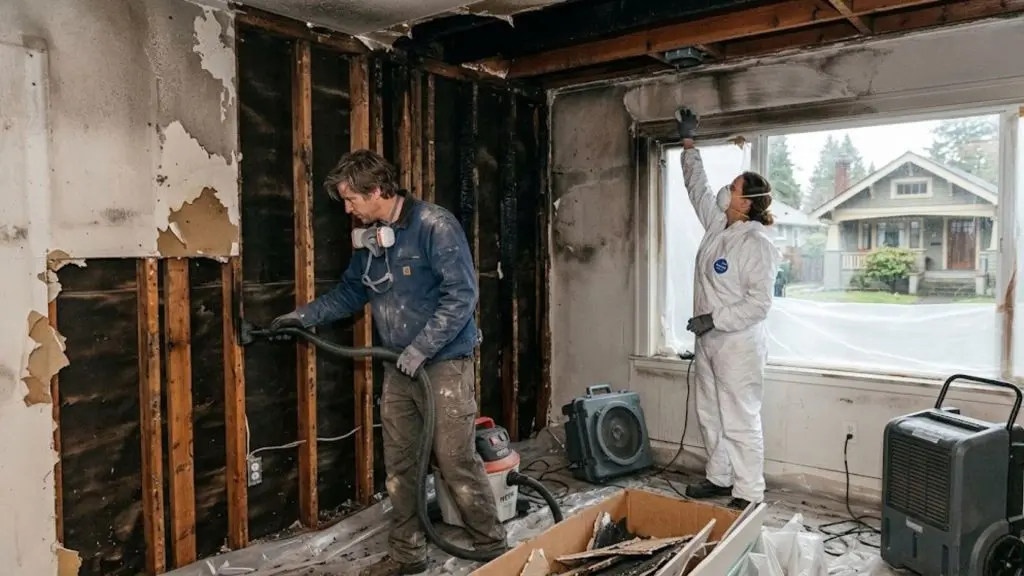
A fire contained to one room affects far less material than one that spreads into walls, ceilings, or attic spaces. Fires that reach structural framing typically require more extensive repair than those limited to surface materials.
Smoke does not stay where the fire started. The further soot and smoke residue travel through a home, including into HVAC ductwork, the more rooms and surfaces require cleaning, deodorizing, or replacement.
Putting out a fire almost always introduces water into the property. Extraction, structural drying, and moisture monitoring add to the scope of work, and addressing this quickly also reduces the risk of secondary mold damage.
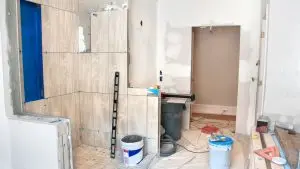
Repairs limited to paint, flooring, and drywall cost less than projects involving framing, roofing, or electrical systems. A full inspection determines whether structural elements were compromised, which has a significant impact on total scope.
Restoring or replacing furniture, textiles, and belongings affected by smoke and soot is a separate part of the process from structural repairs, and the extent of contents damage varies widely from one fire to the next.
Older homes, including many in Seattle’s established neighborhoods, may require additional work to bring wiring, insulation, or plumbing up to current code once walls are opened during reconstruction.
Our fire restoration process moves through several stages, and the amount of work required at each stage is what ultimately shapes the project cost.
A fire that only requires the first few stages will naturally cost less than one that requires full reconstruction. This is why an accurate estimate can only come after an in-person inspection rather than a phone conversation alone.
The length of a fire restoration project tends to move in the same direction as its cost, since both are driven by the same underlying scope of damage. A project limited to cleaning, deodorizing, and repainting a single room can often be completed in a matter of days. A project involving structural drying, HVAC decontamination, and reconstruction spans a longer timeline because each stage, drying time in particular, needs to be completed properly before the next one begins.
Rushing structural drying to shorten a timeline can leave residual moisture behind, which risks mold growth and additional repair costs down the line. Our team paces each stage of the process based on moisture readings and inspection results rather than a fixed schedule, which protects the property even if it means a longer timeline for more extensive damage.
Most standard Washington homeowners policies cover sudden and accidental fire damage, including related smoke and firefighting water damage, though coverage details vary by policy. Two details worth understanding before restoration begins are your deductible, which is the amount you are responsible for before coverage applies, and whether your policy pays actual cash value or replacement cost value for damaged contents.
Our team documents damage thoroughly and communicates directly with insurance carriers, which helps make sure the scope of covered work is represented accurately in the claim.
Because fire damage varies so much from property to property, the most reliable way to understand cost is a free, in-person inspection. During that visit, our team assesses the extent of fire, smoke, and water damage and provides a written scope that reflects the actual work your home needs, not a generic estimate based on averages from other properties.
Generally, yes, since fire size correlates with how much smoke, water, and structural damage results. However, a smaller fire with significant smoke spread through HVAC ductwork can sometimes require more extensive cleanup than expected.
There is no accurate way to quote fire restoration with a single average number, because every fire behaves differently once it starts. What matters most is understanding the factors, fire size, smoke spread, water damage, and structural impact, that shape your specific project. Our team provides free, in-person inspections for Seattle homeowners so you get a scope and estimate based on what actually happened in your home, not a generic industry figure.